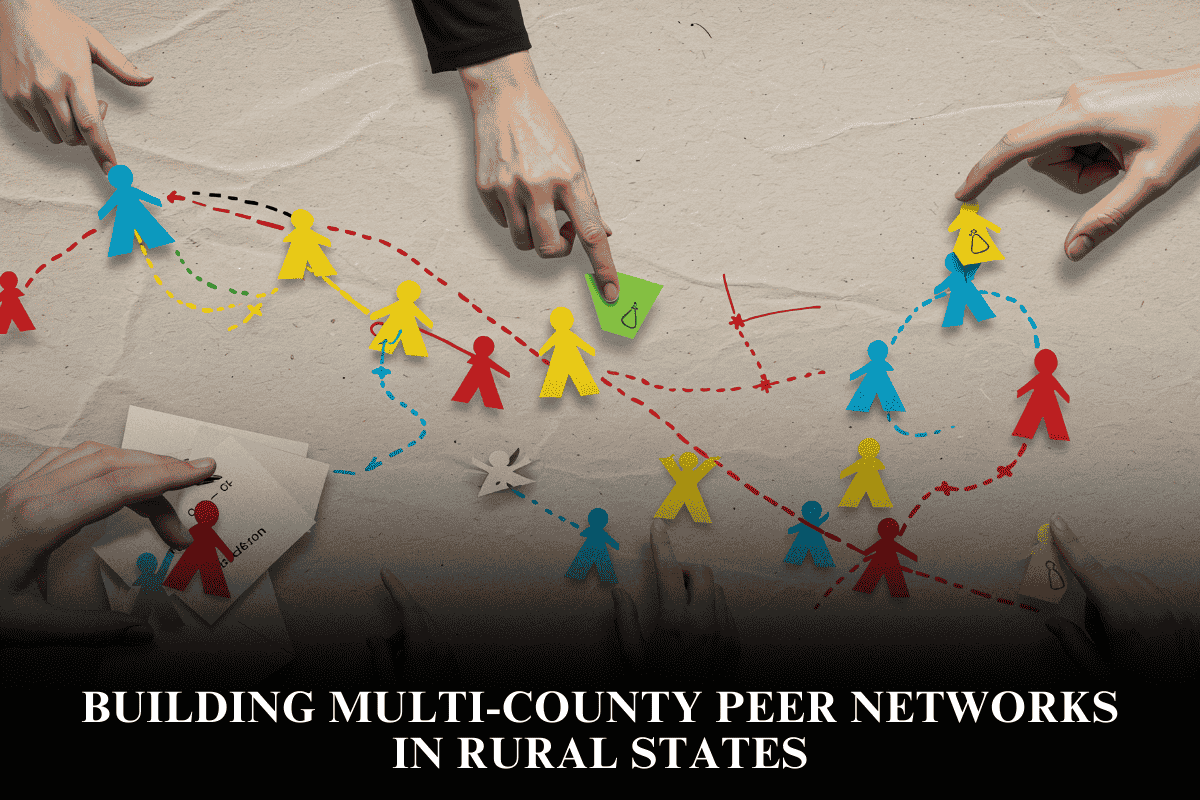
Rural peer networks are essential for building community resilience, sharing resources, and improving overall well-being in Iowa’s diverse rural communities. Strengthening these networks supports mental health, economic vitality, lifelong learning, and healthcare access by fostering collaboration, trust, and shared knowledge among rural residents.
Importance of Rural Peer Networks in Iowa
Rural peer networks act as lifelines by connecting individuals who understand shared geographic, economic, and social challenges. They create trusted spaces to exchange practical advice, provide emotional support, and advocate for community needs. With rural areas often facing limited access to healthcare, social services, and professional opportunities, peer networks bridge gaps through mutual aid and local empowerment.
Strategies to Strengthen Rural Peer Networks
1. Leveraging Technology and Telehealth
Programs like University of Iowa Health Care’s Community Connect Iowa use technology to link over 40 rural communities, enabling shared resources and access to care closer to home. Digital tools enhance communication, education, and support, building enduring networks despite geographic barriers.
2. Building Inclusive, Community-Driven Groups
Peer networks succeed when rooted in trust and shared purpose. Facilitators encourage inclusive participation and local leadership, empowering members to co-create solutions addressing mental health, housing stability, economic development, and agricultural sustainability.
3. Facilitating Peer Education and Mentorship
Training peer support specialists and recovery coaches strengthens capacity within communities to address behavioral health, addiction, and wellness challenges. These roles provide culturally competent support grounded in shared experience.
4. Collaboration with Existing Organizations
Partnerships between local nonprofits, healthcare providers, and government programs expand impact. Collaborative initiatives addressing rural mental health, workforce training, and economic development reinforce peer networks as vital anchors in the community fabric.
5. Continuous Learning and Adaptation
Peer networks thrive by fostering a culture of continuous learning. Regular forums and leadership summits for rural leaders create opportunities to share best practices, innovate collaboratively, and sustain momentum.
Outcomes of Strong Rural Peer Networks
- Enhanced access to mental health and recovery services through peer specialists
- Improved social connectedness reducing rural isolation and stigma
- Increased sharing of agricultural, economic, and health knowledge
- Empowered communities advocating effectively for resources and services
- Durable partnerships supporting long-term rural wellness and vitality
FAQ: Strengthening Rural Peer Networks in Iowa
Q: What makes rural peer networks effective in Iowa?
A: Trust-based, community-driven approaches combined with technology for communication and support maximize participation and impact.
Q: How do peer networks improve rural mental health?
A: Peer support specialists provide lived-experience-based, accessible help that complements traditional services, building recovery and wellness in remote areas.
Q: How can technology support rural peer networks?
A: Telehealth and digital platforms overcome geographic isolation, enabling resource sharing and real-time collaboration among rural populations.
Q: What roles do local organizations play in strengthening peer networks?
A: They provide infrastructure, training, and partnership opportunities that expand the reach and sustainability of rural peer initiatives.
Q: Can peer networks support economic development?
A: Yes, by fostering entrepreneurial collaboration, information exchange, and peer mentoring among rural business leaders and farmers.