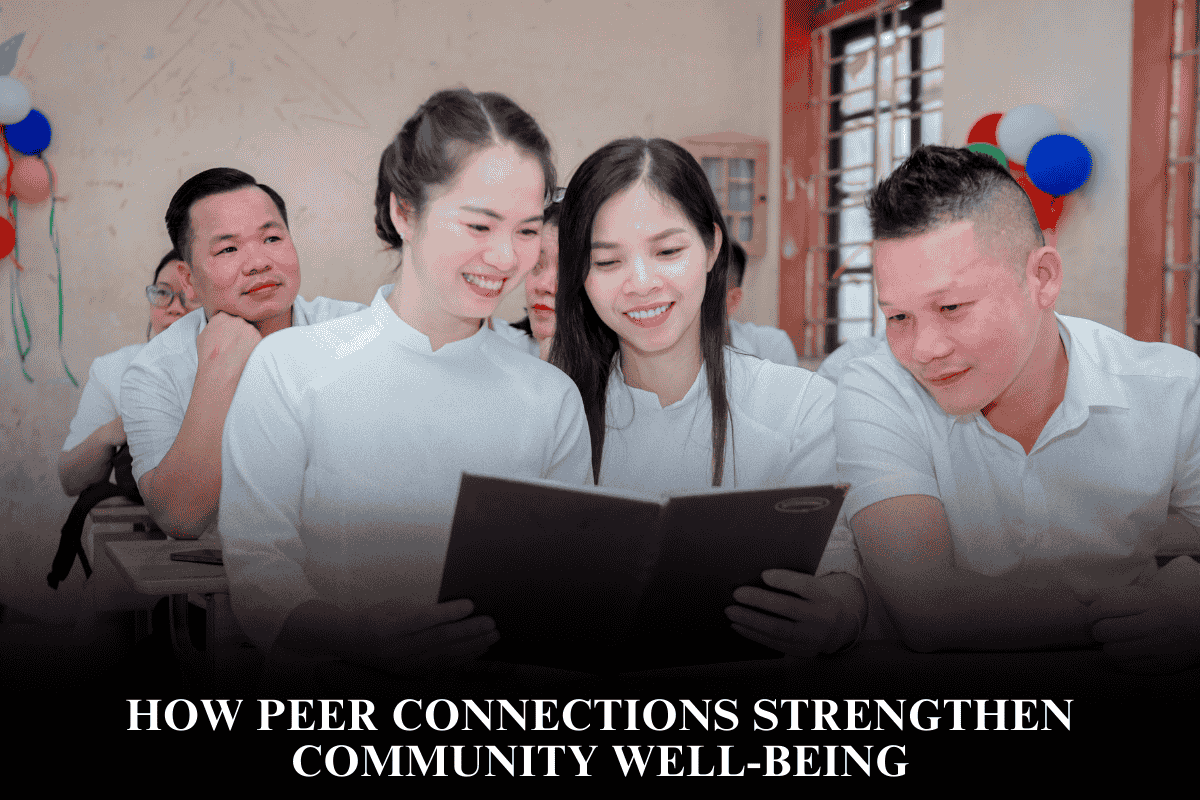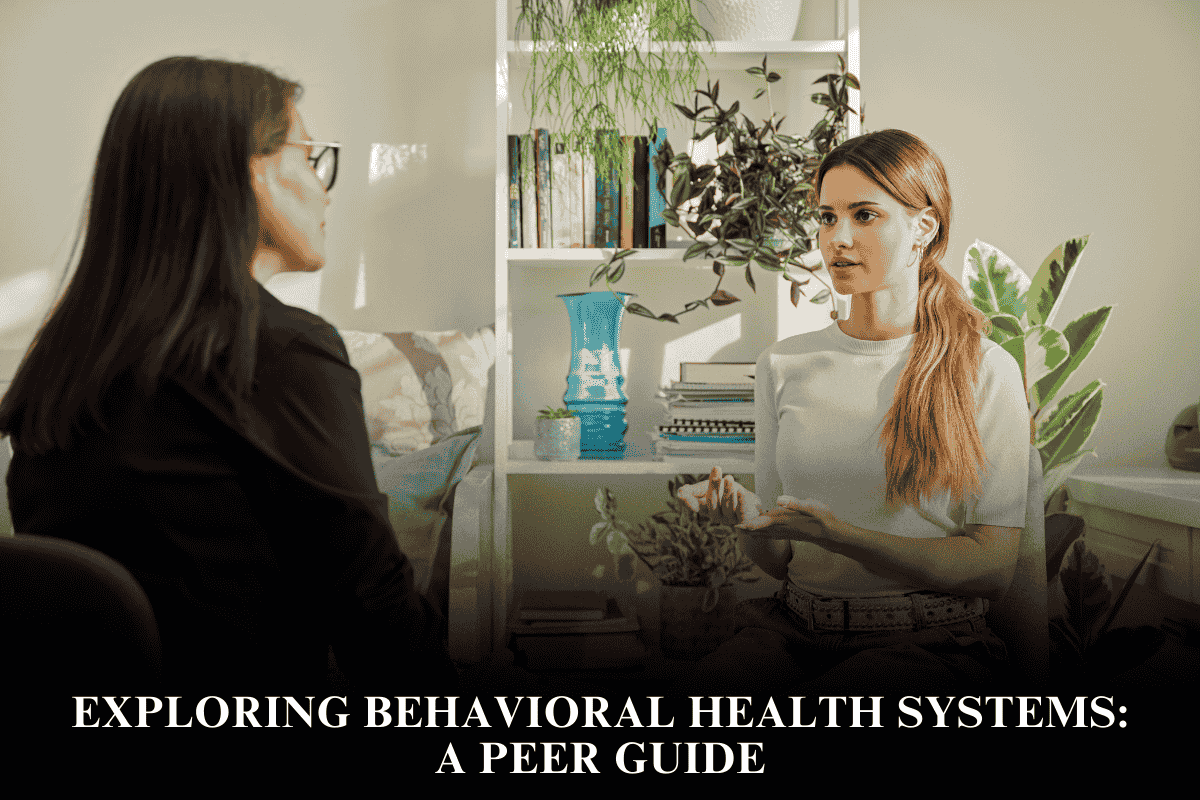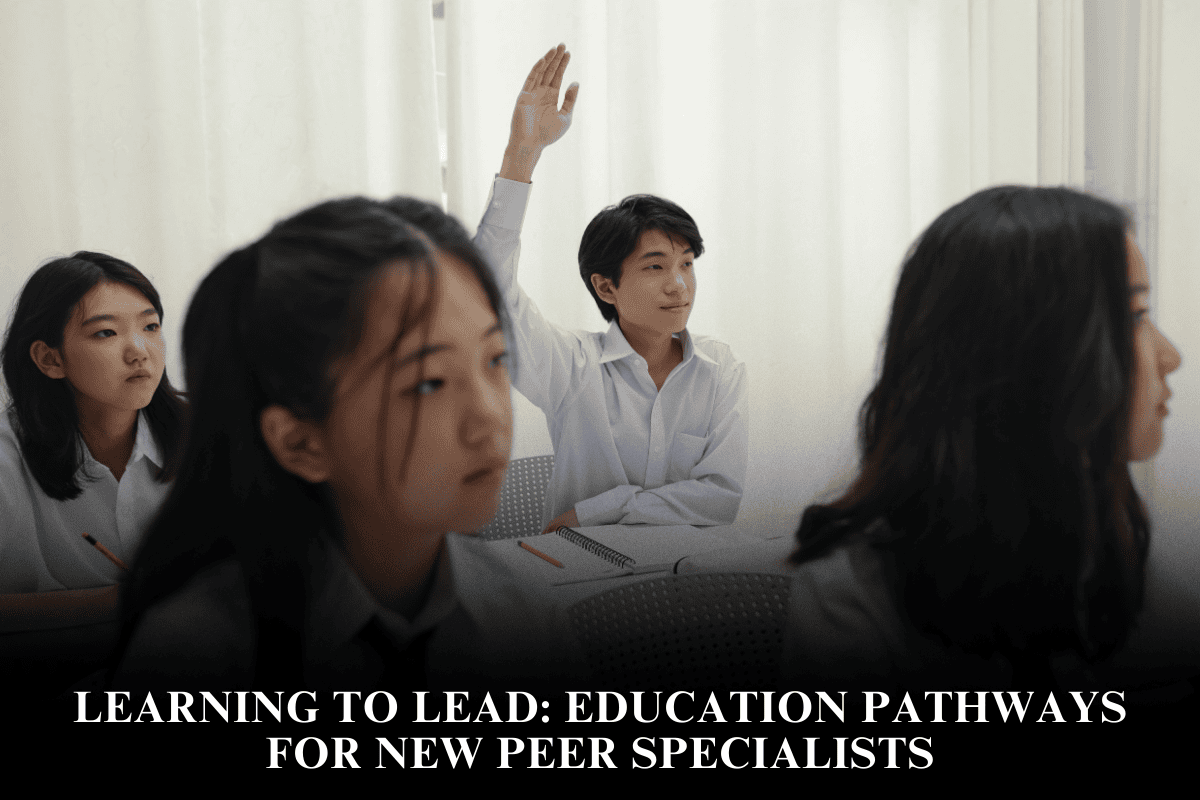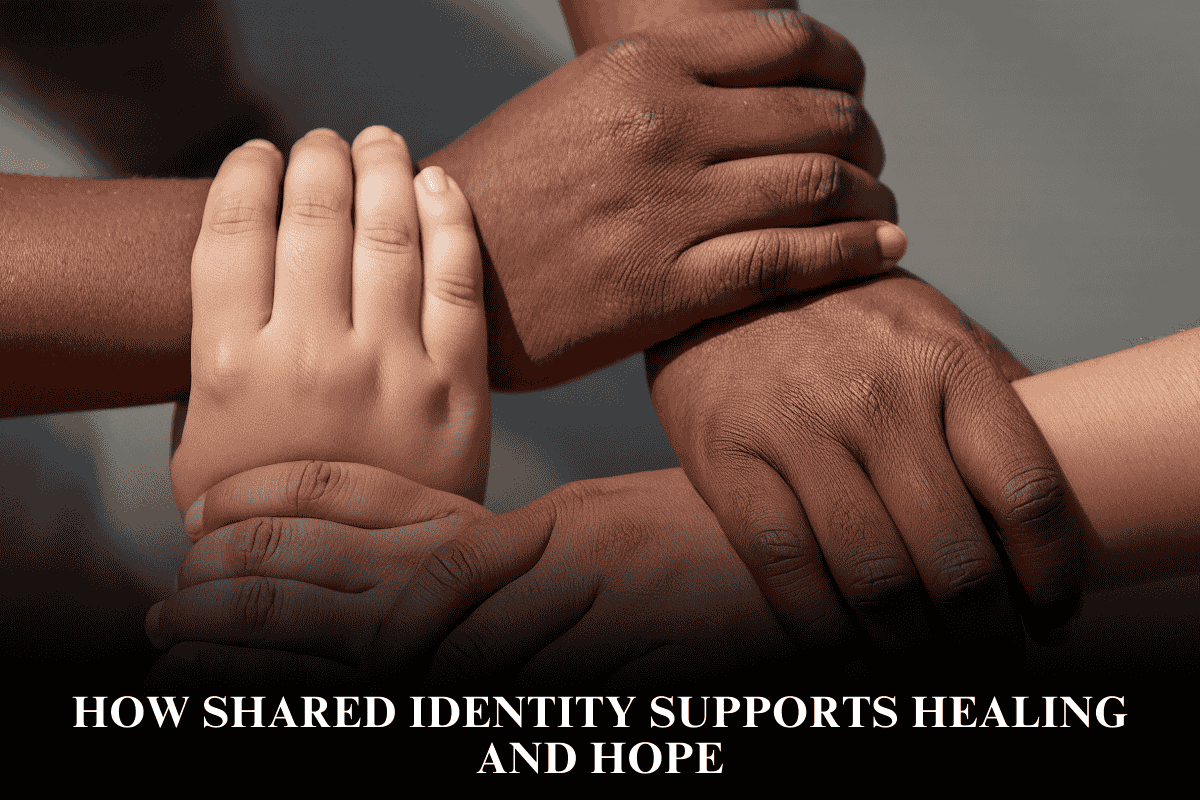
Shared identity in support groups fosters healing by creating universality—realizing “I’m not alone”—which counters isolation, reduces shame, and builds belonging through peer-led spaces for mental health and marginalized experiences. Group dynamics expand biases, repair relational wounds, and prime hope via attachment to collective identities that buffer discrimination and regulate threats. This peer connection accelerates recovery, promoting forgiveness, gratitude, and resilience.
Universality and Belonging in Groups
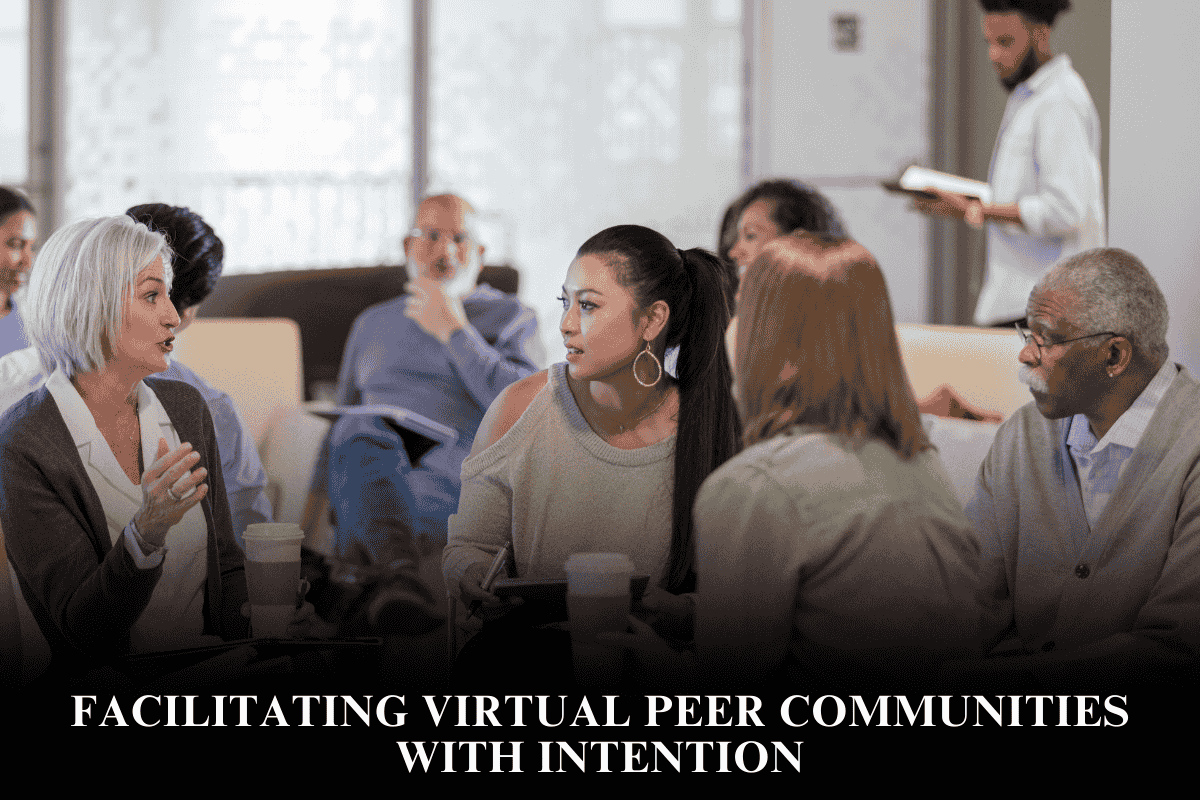
Group therapy reveals shared struggles, transforming “unique wretchedness” into communal strength, especially for stigmatized conditions like severe mental illness or HIV. Participants gain validation from empathetic witnesses, easing emotional burdens and fostering self-care innovations amid depression or bipolar challenges. Identity-focused groups for queer, neurodivergent, or marginalized communities amplify this, addressing unspoken isolation.
Healing Relational Trauma and Biases
Groups facilitate micro-inclusions, mattering, and bias exploration, healing intergenerational oppression like in indigenous interventions or stigma reduction for psychosis. Peer facilitators with lived experience offer authentic empathy, modeling recovery and coping while validating fears without judgment. This catalyzes meaning-making, metabolizing unbearable affects into coherence.
Cultivating Hope and Positive Outcomes
Cohesion breeds hope—”the will and the ways”—strengthening over time alongside reduced avoidance and interpersonal issues. Forgiveness interventions, group or individual, boost hope significantly, generalizing to broader wellbeing. Online platforms like DBSA or NAMI provide accessible identity-specific spaces, reigniting confidence through collective journeys.
Practical Ways to Engage
Join peer-led NAMI or DBSA groups for safe sharing; start with online options for low commitment. Contribute stories to inspire others, sustaining the cycle of hope.
FAQ
What is universality in groups?
Realizing shared experiences counters isolation, fostering belonging.
How does shared identity heal?
Buffers discrimination, repairs biases via peer empathy and validation.
Benefits for marginalized groups?
Addresses stigma, oppression through tailored, inclusive spaces.
Role of hope in recovery?
Cohesion builds agency and pathways, reducing relational problems.
Best groups for beginners?
Peer-led NAMI/DBSA online for safe, welcoming starts.