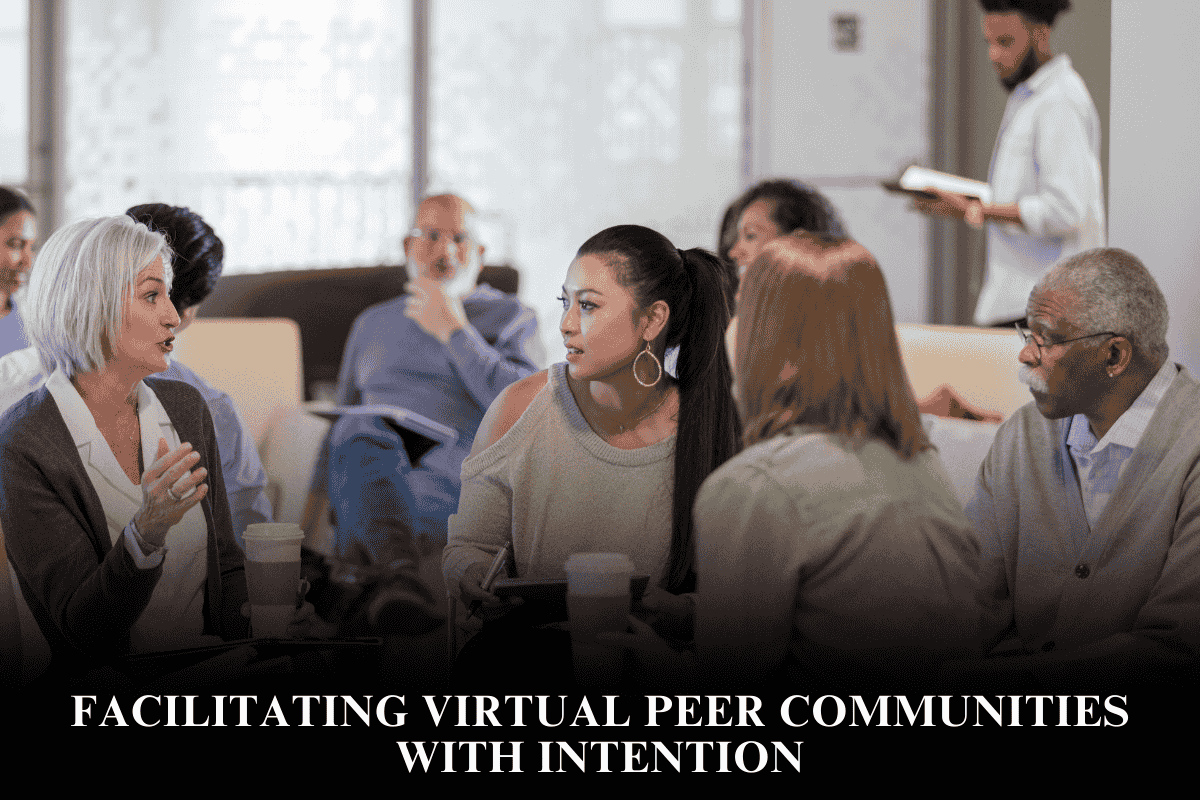
Facilitating virtual peer communities requires deliberate strategies to foster connection, trust, and meaningful interaction despite physical distance. Intentional design—clear roles, structured engagement, and inclusive tools—transforms passive online groups into thriving spaces for support, learning, and collaboration. Best practices emphasize preparation, active participation, and follow-through to sustain engagement and achieve community goals.
Preparation and Platform Mastery
Start with stakeholder buy-in: co-create agendas, norms for confidentiality and respect, and role clarity for facilitators, tech managers, and note-takers. Choose user-friendly platforms with polls, breakout rooms, chat, and video for visibility; test beforehand and provide tutorials. Plan 45-minute interactions within 60-minute sessions, including grounding exercises and flexible buffers for tech issues.
Building Engagement and Connection
Greet individuals upon entry, use names, and encourage cameras for “togetherness.” Seed discussions with lightning rounds (30-second shares), mini-cases from members, or themed polls to spark peer coaching. Rotate speaking via hand-raising or calling on quiet participants; leverage chat for reactions and private follow-ups. Breakouts (15-25 people max) promote collaboration—visit groups, ensure outputs, and debrief collectively.
Sustaining Participation and Safety
Keep groups small and consistent for trust-building; offer opt-in activities like VR puzzles or wellness prompts. Monitor dynamics with on-site champions; address dominance or silence equitably. End with reflections, action items, and follow-up summaries to reinforce learning.
Measuring Success and Iteration
Track engagement via polls, attendance, and feedback; adjust based on what sparks dialogue. Regular schedules with aligned interests sustain momentum.
FAQ
What platform features boost virtual engagement?
Breakouts, polls, chat reactions, hand-raising, and visible galleries for interaction.
How to handle quiet participants?
Call names gently, use lightning rounds, track speakers, allow “pass.”
Importance of co-facilitators?
Manages tech/chat/time, models shared leadership, frees main facilitator.
Best group size for peer communities?
15-25 for balanced discussion; smaller breakouts for depth.
How to build trust online?
Clear norms, confidentiality, consistent small groups, personal check-ins.
Role of agendas in virtual facilitation?
Sets expectations, structures time, ensures outputs from every session.
Tech troubleshooting tips?
Pre-test, have backups, start with platform review, co-facilitator support.
Sustaining long-term communities?
Predictable schedules, member-led cases, reflection, and iterative feedback.