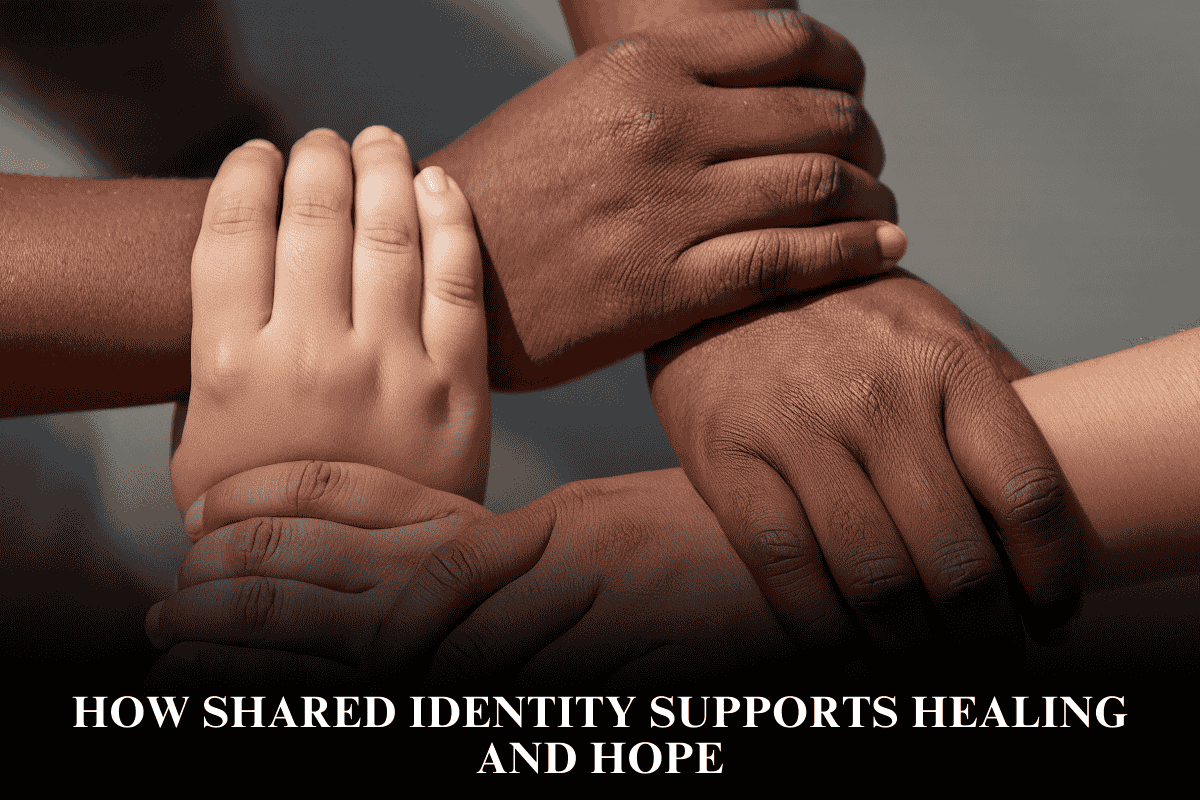
In the diverse and evolving landscape of American education, a powerful network of strength and solidarity continues to shape how students, teachers, and communities connect.
Rooted in the nation’s democratic ideals, this educational network thrives on mutual support, shared values, and collective problem-solving—principles essential to addressing modern challenges in learning and equity.
The Power of Collective Support
Education in the United States has long benefited from collaboration among teachers, families, and community organizations. When schools act as hubs for connection rather than isolated institutions, they cultivate environments of belonging and trust.
Teacher alliances, parent advocacy groups, and student-led organizations bridge gaps between socioeconomic, linguistic, and cultural differences. These networks serve as safety nets, ensuring that no learner is left unseen or unsupported.
Programs such as community schools and after-school partnerships illustrate how solidarity can translate into tangible results. By pooling resources, these initiatives uplift students through mentorship, mental health support, and experiential learning opportunities.
Whether in urban centers or rural towns, the strength of these educational ties often determines how resilient a school community becomes.
Empowering Through Shared Leadership
Solidarity in education also grows from shared leadership. Teachers engaging in professional learning communities share strategies that enhance classroom instruction and student engagement.
Administrators collaborating across districts develop equity-driven policies to narrow opportunity gaps. This culture of mutual respect and shared responsibility empowers educators to act not as isolated professionals but as members of a broader movement for educational justice.
Universities and nonprofit organizations contribute as well by offering training, research, and service-learning experiences that link academic study with real-world problem-solving. Engaging students in these networks encourages civic awareness and empathy—qualities essential for sustaining democratic values in education.
Building Inclusive Futures
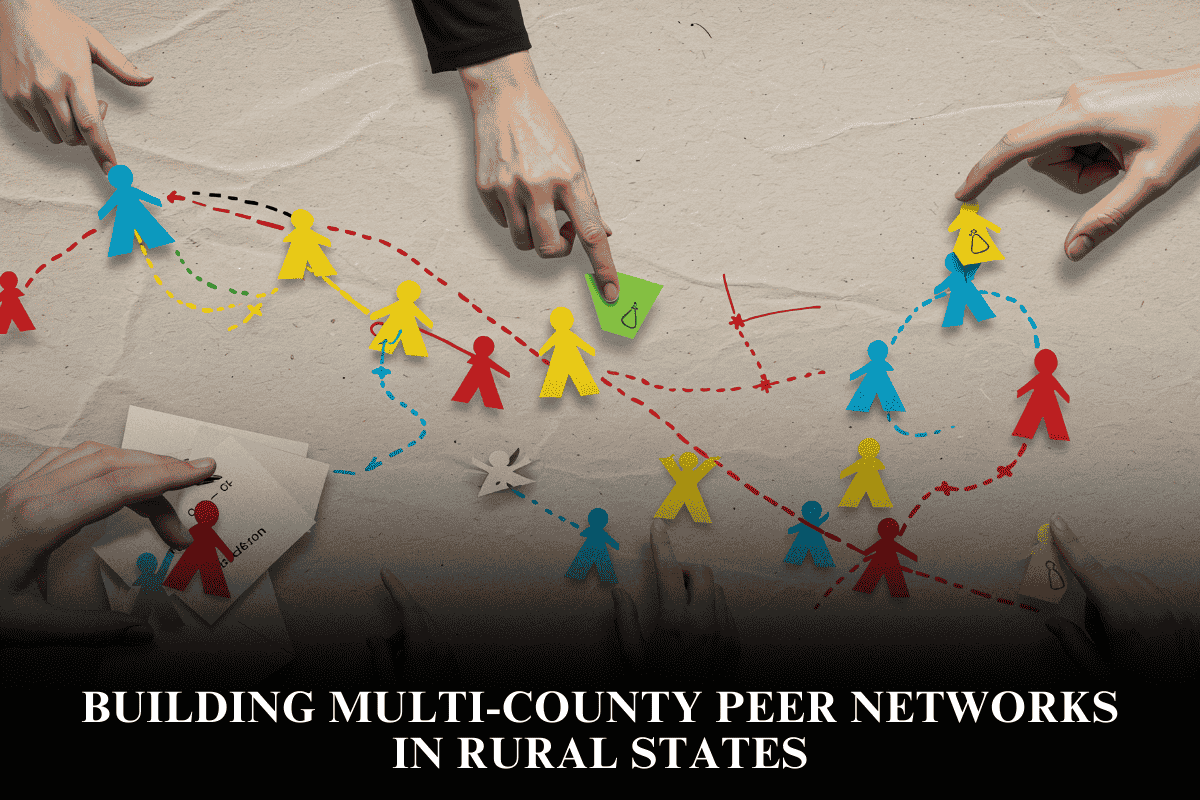
The future of education in America depends on how well this network continues to evolve. Digital technology allows collaboration to transcend geography, connecting rural teachers with national experts and enabling students to join global learning exchanges.
However, solidarity also requires conscious efforts to include marginalized voices—students from low-income communities, Indigenous populations, and newcomers navigating the U.S. school system.
A truly strong educational network embraces diversity not as a challenge but as a source of wisdom. When all participants contribute their unique perspectives, the result is a more just, humane, and forward-looking system of learning.
FAQs
What does “a network of strength and solidarity” mean in education?
It refers to the interconnected support among educators, students, families, and communities who work together to promote equity, inclusion, and shared educational success.
Why is solidarity important in schools?
Solidarity fosters cooperation, reduces isolation, and inspires communities to address systemic challenges collectively, leading to stronger educational outcomes.
How can schools strengthen solidarity?
Schools can build stronger networks by encouraging parent involvement, supporting teacher collaboration, promoting student leadership, and partnering with local organizations.
What role does technology play in these networks?
Technology enhances solidarity by connecting educators across regions, enabling online mentorship, and expanding access to quality learning resources.
How does solidarity support educational equity?
By ensuring shared responsibility and mutual aid, solidarity helps address disparities in access, funding, and opportunity across different communities.