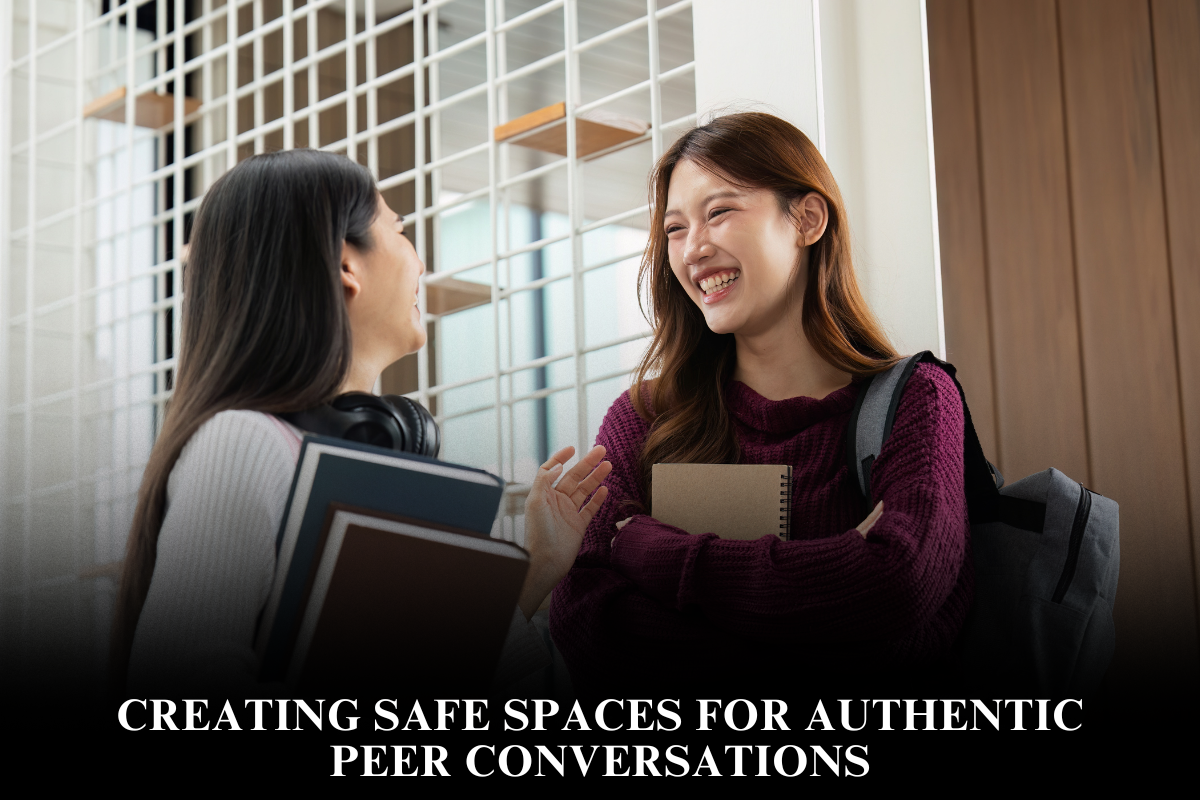
Safe spaces in sports enable athletes to engage in genuine peer conversations about mental health, performance pressures, and personal challenges without fear of judgment or reprisal. Coaches and peers foster these environments through consistent trust-building, active listening, and inclusive practices that prioritize emotional vulnerability. This approach enhances team cohesion, reduces stigma, and supports overall well-being.
Foundations of Emotional Safety
Trust forms the core, achieved by consistently showing up, asking genuine questions, and aligning words with actions like supportive follow-through. Nonjudgmental responses validate feelings, using body language and tone—per the 7-38-55 rule—to convey empathy over criticism. Physical safety measures, such as observable group settings and the “Rule of Two” (no one-on-one interactions), prevent isolation and build security.
These elements create consistency, turning spaces into reliable outlets for authentic expression.
Coaching and Peer Strategies
Coaches initiate by discussing neutral topics like hobbies to build rapport, then progressing to open-ended questions that encourage descriptive sharing. Team-building exercises, such as compliment circles or group brainstorming, promote inclusivity and combat cliques. Peers reinforce by modeling positive language, praising effort, and seeking athlete input on environment improvements.
Dedicated wellness areas within facilities provide stigma-free zones for unwinding or confidential talks.
Practical Implementation Steps
- Establish norms: Enforce no bullying, validate all emotions, and listen more than speak.
- Schedule check-ins: Weekly neutral chats evolve into mental health discussions.
- Use real-world examples: Share stories to normalize vulnerability and active listening.
- Monitor dynamics: Watch for peer pressure or exclusion, intervening with collaborative equity.
Evaluate through athlete feedback for ongoing refinement.
FAQ
Why is trust the foundation of safe spaces?
It allows vulnerability; inconsistency erodes it, while reliable support encourages opening up.
How do open-ended questions aid authentic conversations?
They invite detailed responses over yes/no, reducing intimidation and fostering depth.
What role does body language play?
It conveys 55% of communication, signaling genuine attention and nonjudgment.
Can coaches address cliques in peer groups?
Yes, through inclusive exercises and favoritism checks to ensure social safety.
How frequently should safe space activities occur?
Integrate daily in practices, with weekly dedicated sessions for sustained impact.
What if an athlete resists sharing?
Start neutral, validate silently, and build gradually—pressuring backfires.