Peer specialists empower mental health recovery through lived experience, with certification pathways blending training, supervised practice, and exams to build leadership in peer support. Requirements vary by state but typically demand high school diplomas, recovery attestation, 40-80 hour trainings, and 1,000+ supervised hours, enabling roles in clinics and communities. National credentials like NCPS offer portability, preparing specialists to lead groups and advocate.
Core Eligibility Requirements
Entry demands personal recovery from mental health or substance use challenges, verified via attestation forms. A high school diploma or equivalent suffices; some states require age 18+ and clean background checks per administrative codes. Three professional recommendations bolster applications, emphasizing 3,000 hours of recent peer experience for advanced national certifications.
Training Programs
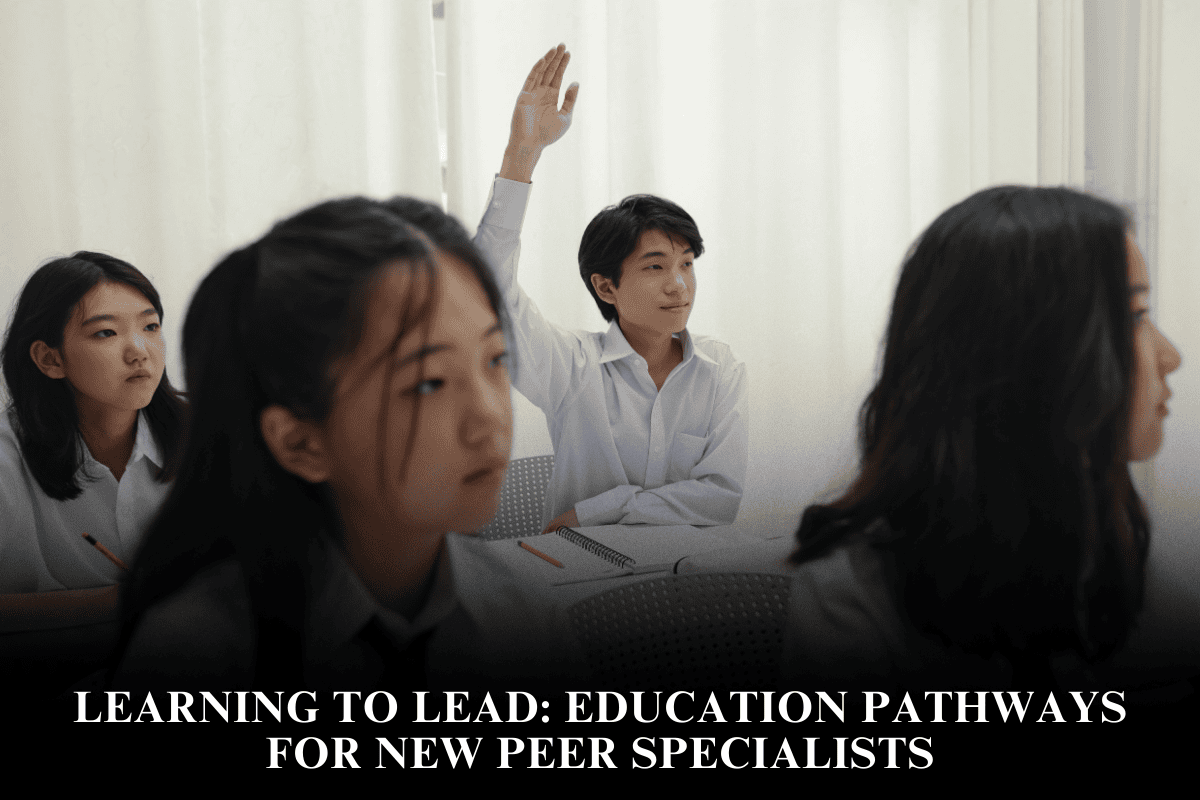
State-approved curricula cover 80-hour cores like Washington’s HCA training, including gap courses for prior peer counselor completers. Free platforms like New York’s Academy of Peer Services deliver online modules on ethics, boundaries, and advocacy. Apprenticeships via Labor Departments or national bodies like IC&RC align with standards, incorporating exams within instruction.
Supervised Experience and Certification
Post-training, trainees log 1,000 supervised hours under qualified counselors (QCC/LPHA), transitioning to full certification. National Certified Peer Specialist (NCPS) exams feature 125 multiple-choice questions remotely, with retests allowed yearly. States like Massachusetts certify via training plus exam passage; out-of-state holders complete gap trainings for reciprocity.
Leadership Development Paths
Advanced roles like Peer Specialist Supervisor (PSS) require certified status plus oversight experience, leading teams in Texas via QCC supervision. Ongoing education via folk schools or boards ensures skills in group facilitation and policy advocacy.
Career Advancement Tips
Pursue IC&RC-aligned programs for multi-state mobility; document hours meticulously for audits.
FAQ
What personal qualification is needed?
Self-attested recovery from mental health/substance challenges, often 1+ year stable.
Typical training length?
40-80 hours, plus supervised practicum (e.g., 80-hour field).
National vs. state certification?
NCPS for portability; states mandate local credentials first.
Supervised hours required?
1,000+ as trainee; 3,000 recent for advanced NCPS.
Free training options?
Yes, via state academies like NYPSCB or HCA online gaps.