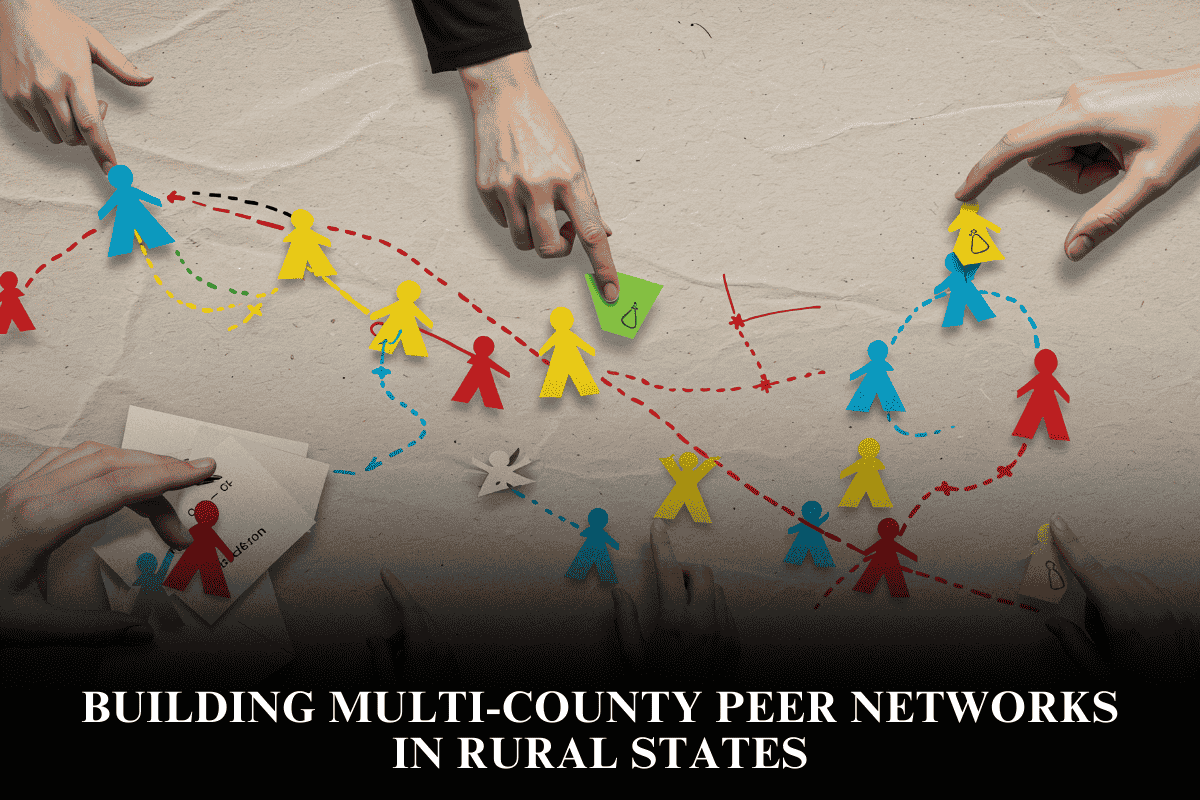
Multi-county peer networks in rural states connect certified peer specialists across distant areas, leveraging online forums, regional trainings, and shared resources to combat isolation and expand mental health support where services are scarce. These networks build resilience by facilitating discussions among rural residents, with studies showing forums overcome geographic barriers, fostering timely peer exchanges that enhance coping and access. Initiatives like Australia’s nonprofit-hosted platforms demonstrate how virtual ties supplement local efforts, vital in states with sparse populations.
Challenges in Rural Peer Support
Rural areas face clinician shortages, stigma, and travel barriers, limiting peer specialist reach despite high demand. Small counties lack critical mass for standalone groups, while broadband gaps hinder virtual participation. Networks address this via cross-county collaborations, as in Scotland’s social network studies linking mixed-age ties to mental health talks.
Strategies for Network Formation
Start with state peer boards coordinating multi-county trainings and certifications, then form hubs via Zoom forums and hybrid meetups. Recruit via community outreach—churches, fairs—emphasizing lived experience; train leaders in facilitation using free curricula. Online platforms like SANE or Beyond Blue host anonymous posts, building trust before in-person events.
- Regional Hubs: Anchor in larger towns for biweekly groups spanning 3-5 counties.
- Digital Forums: Secure apps for daily check-ins, matching peers by needs.
- Peer-Led Events: Festivals or farm visits blending support with culture.
Partnerships with rural health hubs fund transport and tech.
Benefits and Resilience Building
Networks yield emotional security, reduce stigma, and boost advocacy, with bridging peers (high betweenness centrality) key to discussions. Australian data shows forums link users to services, enhancing collective resilience amid adversity. U.S. rural toolkits highlight peer models cutting ER visits via sustained ties.
Sustainability Measures
Secure grants for coordinators; train successors annually. Measure via participation logs and resilience surveys.
FAQ
Why multi-county for rural peers?
Overcomes small populations and distances, creating viable support groups.
How do online forums aid?
Provide anonymity, timely access, and resilience resources across geography.
Key network traits for success?
Frequent contact, diverse ages/genders, bridging individuals.
Funding sources?
Rural health grants, nonprofits, state mental health boards.
Measure impact how?
Post engagement, service referrals, user resilience surveys.