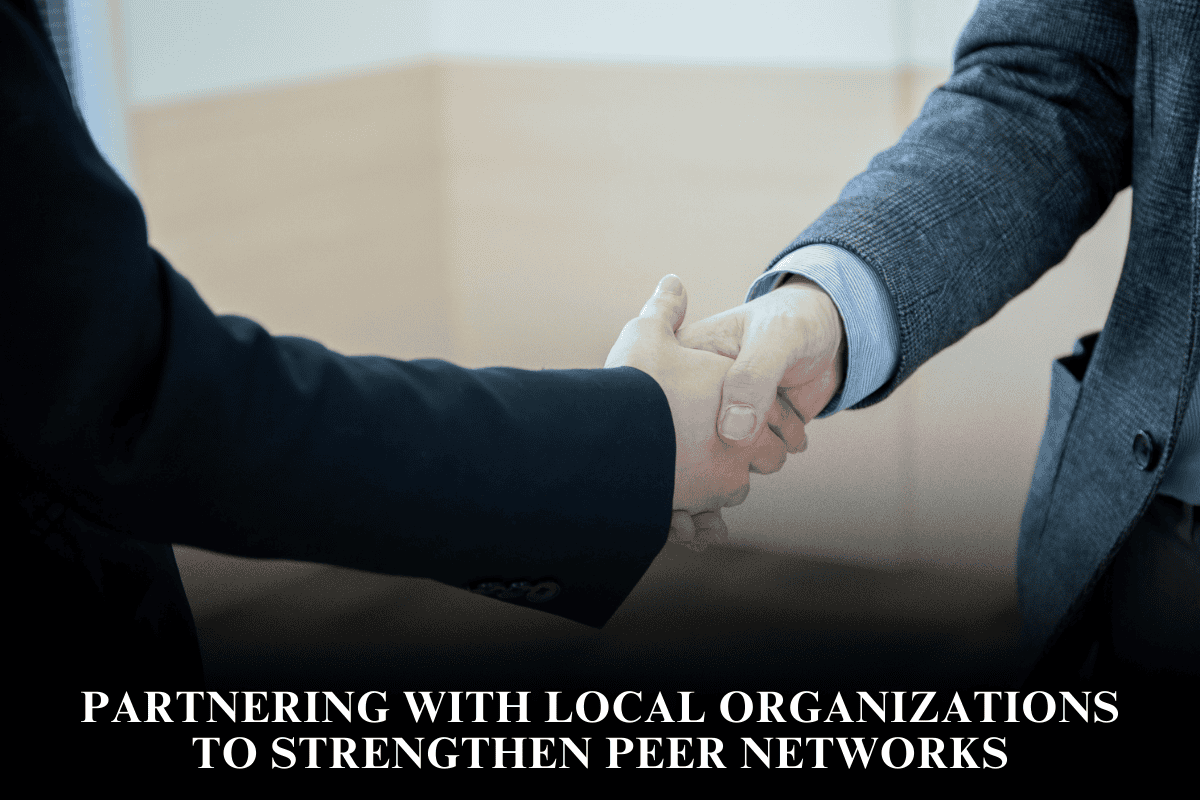
Partnering with local organizations strengthens peer networks in healing-centered education by leveraging community assets to foster student agency, trust, and resilience beyond isolated school efforts. These collaborations integrate health services, youth development, and family engagement into schools, creating peer-to-peer models that repair racial inequities and promote collective healing. Schools shift from service delivery to co-created ecosystems where organizations like nonprofits and cultural centers empower students as leaders.
Benefits of Strategic Partnerships
Local partners provide interdisciplinary support through Coordination of Services Teams (COST) or Multi-Tiered Systems of Support (MTSS), addressing physiological needs while building peer mediation and restorative justice programs. Peer networks thrive via student-led initiatives, such as mentoring and feedback loops, enhanced by organizations offering culturally responsive training and enrichment. Outcomes include improved social-emotional health, staff retention, and community trust, countering trauma from systemic harms.
Implementation Strategies
Form Transformation Teams with students, families, educators, and local groups to assess needs, co-design plans, and align practices like morning check-ins and restorative circles. Invest in dedicated staff for collaboration, ensuring equitable access to out-of-school programs and competency-based learning tied to peer models. Reliable data and youth wisdom guide partnerships, integrating special education with whole-school strategies for coherence.
Challenges and Solutions
Power imbalances hinder equity; address via proactive racial justice repairs, family co-creation of plans, and ongoing town halls for feedback. Sustain through policy investments in funding and professional development, prioritizing long-term relationship-building over transactional services.
These partnerships reimagine peer networks as healing hubs, advancing equity and student thriving.
FAQ
Why partner with local organizations?
They bring community assets for holistic support, strengthening peer networks via culturally responsive programs and interdisciplinary teams.
How do partnerships build peer networks?
Through student-led mentoring, mediation, and feedback, integrated with MTSS and youth development for agency and connection.
What roles do families play?
Co-create plans, participate in check-ins, and join town halls to ensure relevance and trust.
Key implementation steps?
Assemble Transformation Teams, gather data, align practices like restorative circles, and secure dedicated resources.
What outcomes emerge?
Enhanced wellness, equity, retention, and academic growth from coherent, asset-based supports.