In the quiet halls of a support group in Chicago, someone says, “I just need someone to listen.” Across town in San Diego, neighbors in a peer-led recovery circle nod in agreement, sharing brief statements like “You’re not alone” or “I’ve been there, too.”
What ties these scenes together is something deceptively simple: communication. It’s the lifeline of peer support—the means by which we connect, understand, reassure, and grow together. Without genuine communication, peer support loses its power. With it, the practice becomes transformative.
The Heart of Peer Support Is Talking and Listening
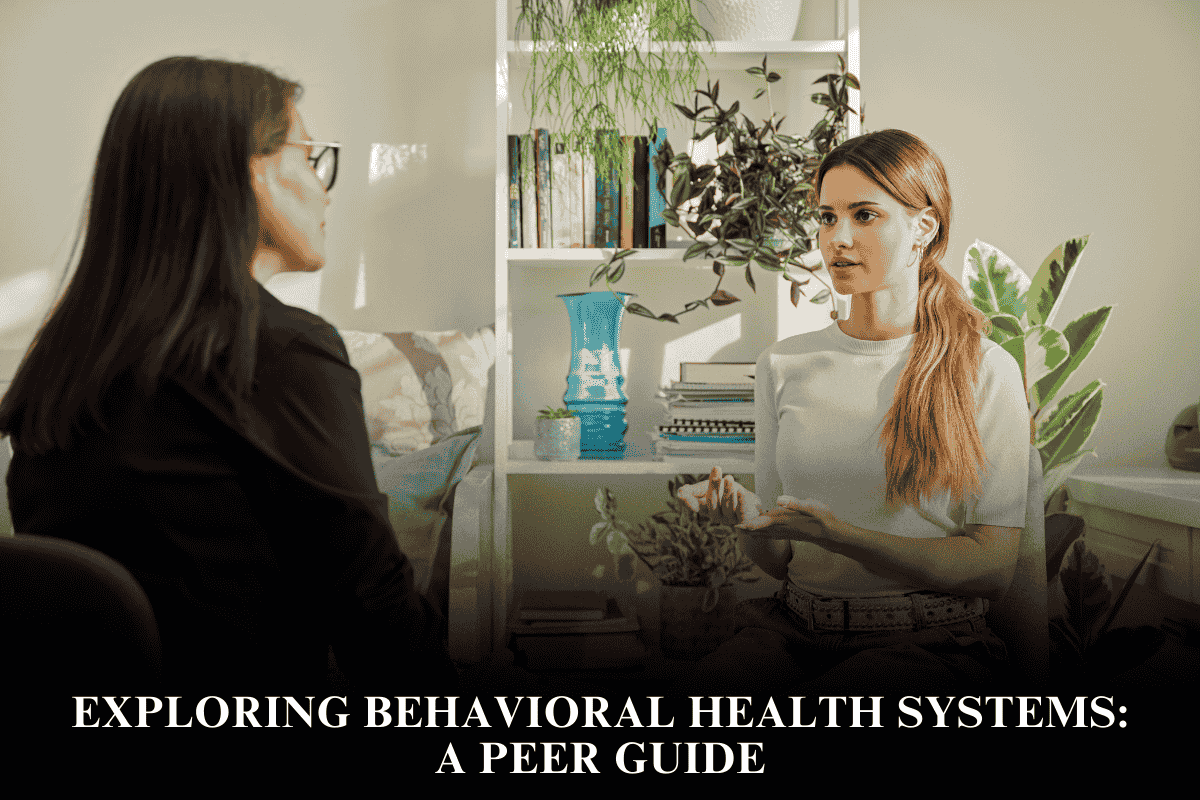
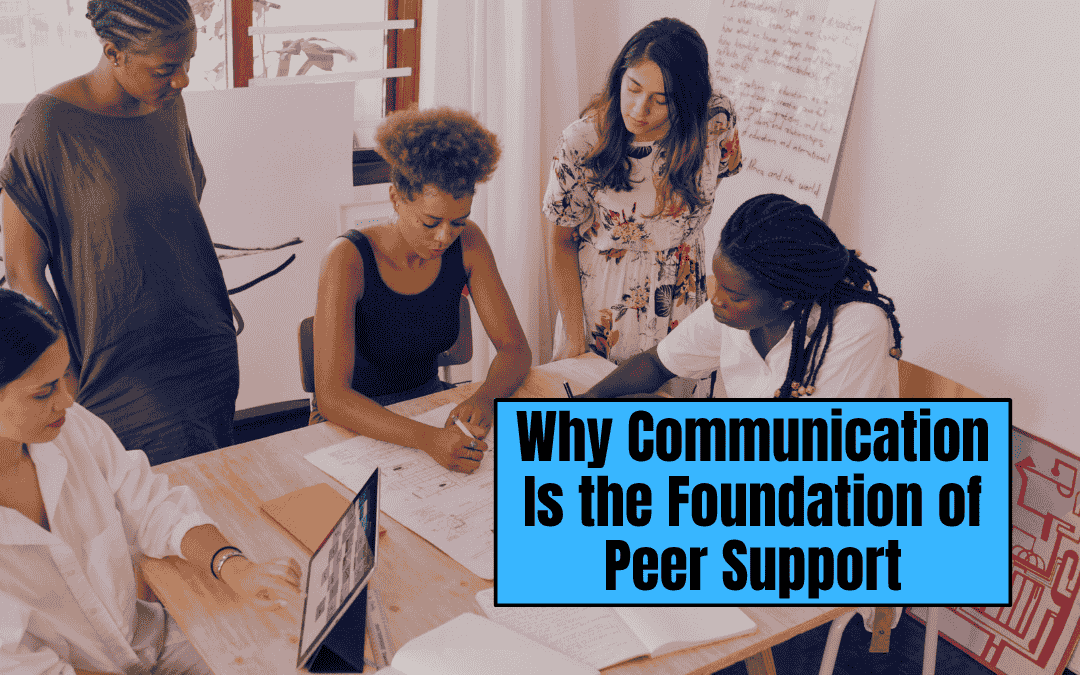
Peer support isn’t just about putting people in a room and hoping for magic. It’s about creating safe spaces where every voice matters. In Minneapolis, for example, a peer-led mental health group meets every Thursday evening.
What fuels that group is conversational openness—sharing stories, frustrations, hopes, and fears. Communication makes this dynamic possible.
When someone says, “I felt isolated for months,” the response might be, “I know—and I’m here now.” That two-way interaction builds the foundation for healing.
Studies show that in the U.S., more than one in five adults experience some form of mental illness each year—roughly 51 million people. When each of those individuals finds a peer who communicates authentically—“I understand,” “I’ve walked that path”—it shifts support from clinical to human.
In cities like Houston, where peer recovery specialists meet after work, it’s not the formal slide deck that helps—it’s the informal conversation over coffee: “What worked? What didn’t? Let’s try again.”
Communication Builds Trust and Reduces Isolation
In New York City, peer support programs often begin with a simple “check-in” round where everyone shares their name and one word about how they feel. It’s a small gesture, but it signals presence and inclusion: “I see you.
You’re here. Let’s begin together.” Trust blossoms from moments like that—small yet deeply human acknowledgments. Without trust, participants may withdraw or mask their reality. With trust, they open up.
Isolation is one of the greatest barriers for people seeking help. Imagine someone in Phoenix struggling with anxiety, convinced that no one else “gets it.” When they hear a peer say, “I felt the same way,” the wall of isolation begins to crumble.
Communication validates experience. That shared language of empathy becomes the foundation of peer support.
Communities that foster consistent peer communication report lower relapse rates, higher engagement, and deeper overall wellness. Communication is the invisible thread connecting those outcomes.
Communication Enables Shared Learning and Growth
In Seattle’s recovery ecosystem, a peer group recently discussed relapse triggers. One participant mentioned social isolation during remote work. Another responded, “Me too—I ended up binge-eating and spiraling.”
That sparked a 30-minute discussion on boundaries, work-life balance, and self-care strategies. This kind of open exchange is communication in action—turning shared experience into shared wisdom.
Because peer support thrives on lived experience, language matters. When someone says, “I slipped, and I felt like I failed,” and a peer responds, “That slip taught me something valuable,” communication transforms the narrative from shame to growth.
Across cities like Denver and Boston, programs emphasizing positive and reflective communication see higher engagement and retention. People stay because they want to speak, be heard, and hear back.
Communication Sustains Connection Over Time
Peer support is not a one-time conversation—it’s an ongoing relationship. In Miami, a peer checks in every Monday morning with a quick text: “How are you today?” That simple message can spark a voice call or weekend meet-up, maintaining the thread of connection.
These small acts of communication remind participants they’re not alone—not just today, but continually.
When communication stops, groups often lose momentum. Regular, open exchanges—whether through texts, video calls, or group chats—keep support networks vibrant.
Consistent communication becomes the heartbeat of sustained connection, helping relationships evolve from casual chats to enduring mutual support.
Conclusion: The Power of Words in Building Community
Across America—from Los Angeles drop-in circles to Pittsburgh’s peer recovery cafes—communication remains the single most important element in peer support.
It’s the handshake of humanity: one person speaks, another listens, and something real happens between them. That exchange builds trust, dissolves isolation, and creates the fertile ground where healing and hope grow.
If you’re part of or starting a peer group, remember this: the conversation matters more than the agenda. More than credentials. More than titles.
True support happens when people talk, listen, and connect authentically. Every lasting transformation begins with a simple question: “How are you doing today?”
FAQs
1. Why is communication so vital in peer support?
Because it’s the foundation of trust, empathy, and understanding—without communication, peer support cannot exist meaningfully.
2. How can peer groups improve their communication?
By fostering open dialogue, active listening, and creating non-judgmental spaces where everyone feels safe to speak.
3. What types of communication work best in peer support?
Authentic, two-way conversations that combine verbal sharing, empathetic listening, and consistent follow-ups—both in person and virtually.
4. How does communication reduce isolation?
When peers express shared experiences, it breaks down feelings of loneliness and replaces them with belonging and validation.
5. What are simple ways to keep communication going over time?
Regular check-ins, group messages, phone calls, and informal meet-ups ensure that connection stays alive beyond formal meetings.