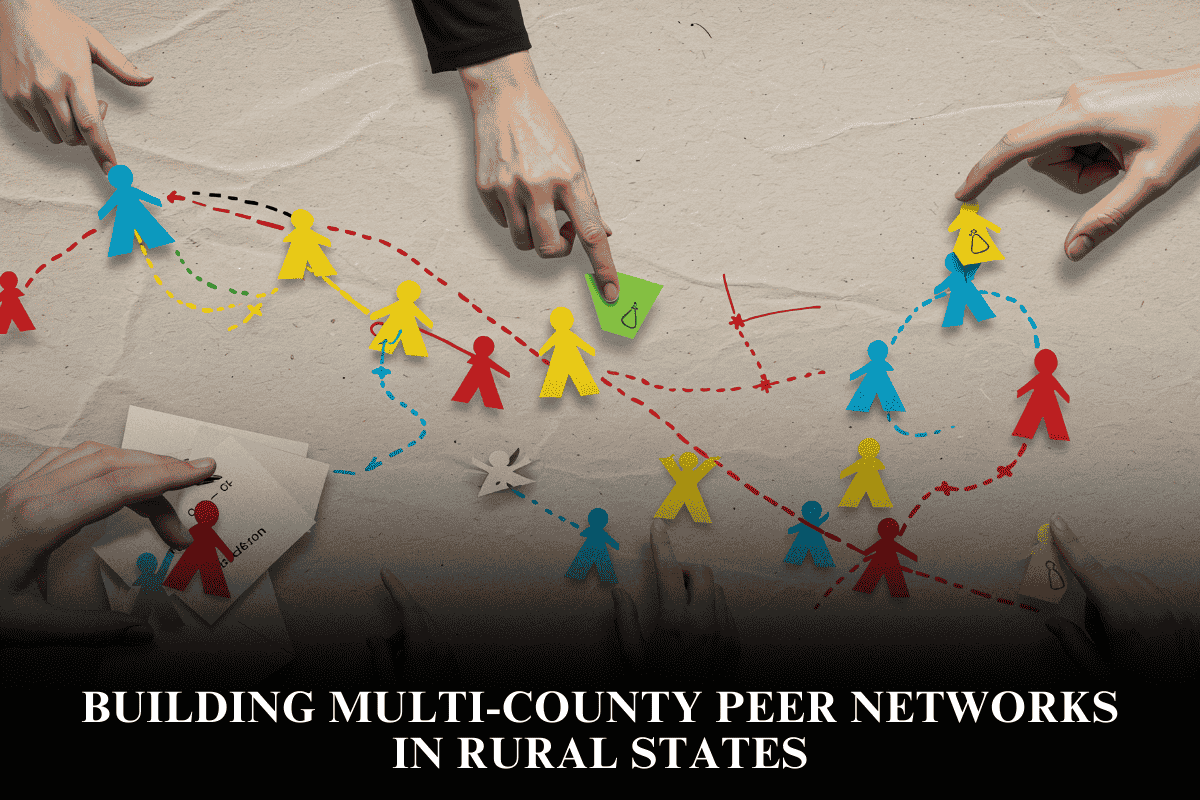
Connections are the foundation of strong, resilient teams that can face challenges with unity and purpose. Whether in sports, workplaces, or communities, establishing meaningful bonds among members fosters trust, collaboration, and mutual understanding.
Building connection is a strategic process that enhances teamwork, reduces conflicts, and promotes shared success.
The Importance of Connection in Teams
Connection within a team goes beyond mere interaction. It involves creating emotional bonds, shared experiences, and a sense of belonging. When team members feel connected, they are more motivated, engaged, and committed to collective goals.
This sense of unity also enhances communication, boosts morale, and improves overall performance.
Research shows that teams with strong interpersonal bonds are better at problem-solving, adapting to change, and supporting each other during tough times. These bonds develop through deliberate activities designed to foster trust, understanding, and camaraderie.
Strategies to Foster Connection
Effective connection-building involves intentionality and variety. Some popular strategies include:
- Shared Experiences: Participating in team activities such as sports, outdoor challenges, or community service projects. For example, outdoor adventure activities like trust falls or obstacle courses promote cooperation and reliance.
- Communication Exercises: Activities like appreciation circles or storytelling games encourage open dialogue and understanding. These foster empathy and reveal common values.
- Social Gatherings: Informal gatherings such as team lunches or potluck meals create relaxed environments where members can bond naturally outside of formal settings.
- Mental and Emotional Skills: Training programs focusing on emotional intelligence, active listening, and conflict resolution help deepen connections and improve team dynamics.
Benefits of Connected Teams
Connecting team members yields several benefits:
- Enhanced Trust and Camaraderie: Sharing challenges and successes builds strong emotional bonds, crucial during high-pressure situations.
- Improved Communication: Open, honest dialogue minimizes misunderstandings and fosters a climate of support.
- Greater Resilience: Connected teams recover more quickly from setbacks, motivated by mutual investment and shared resilience.
- Increased Motivation: When members feel valued and understood, they show more commitment and enthusiasm.
FAQs
Q: Why is connection important for team success?
A: Connection creates trust, promotes effective communication, and enhances collaboration, all essential for achieving team goals.
Q: What are simple ways to improve team connection?
A: Activities like appreciation circles, team meals, shared challenges, and storytelling games are easy ways to foster bonds.
Q: How can team leaders facilitate connection?
A: Leaders can organize variety of activities focusing on shared experiences, emotional understanding, and open communication, providing space for members to connect authentically.
Q: Can connection building reduce conflict?
A: Yes. Strong interpersonal bonds foster empathy and understanding, reducing misunderstandings and enabling constructive conflict resolution.
Q: How does connection impact team performance?
A: Connected teams are more cohesive, motivated, and flexible, leading to improved performance, creativity, and resilience.