Education has long been a cornerstone of American progress, and the journey of recovery—whether from a pandemic, natural disaster, or socioeconomic divide—reveals how schools, communities, and families come together to rebuild not just systems, but shared hope.
The story of educational recovery in the United States is one of resilience, innovation, and collaboration.
Rebuilding Learning Communities
When schools across the country faced closures and disruptions, educators adapted quickly to keep learning alive. Virtual classrooms, hybrid models, and remote tutoring became lifelines.
Yet recovery goes beyond reopening classrooms—it requires restoring the sense of belonging that defines true education. Teachers, counselors, and administrators work to rebuild connections with students who struggled emotionally or academically during isolation.
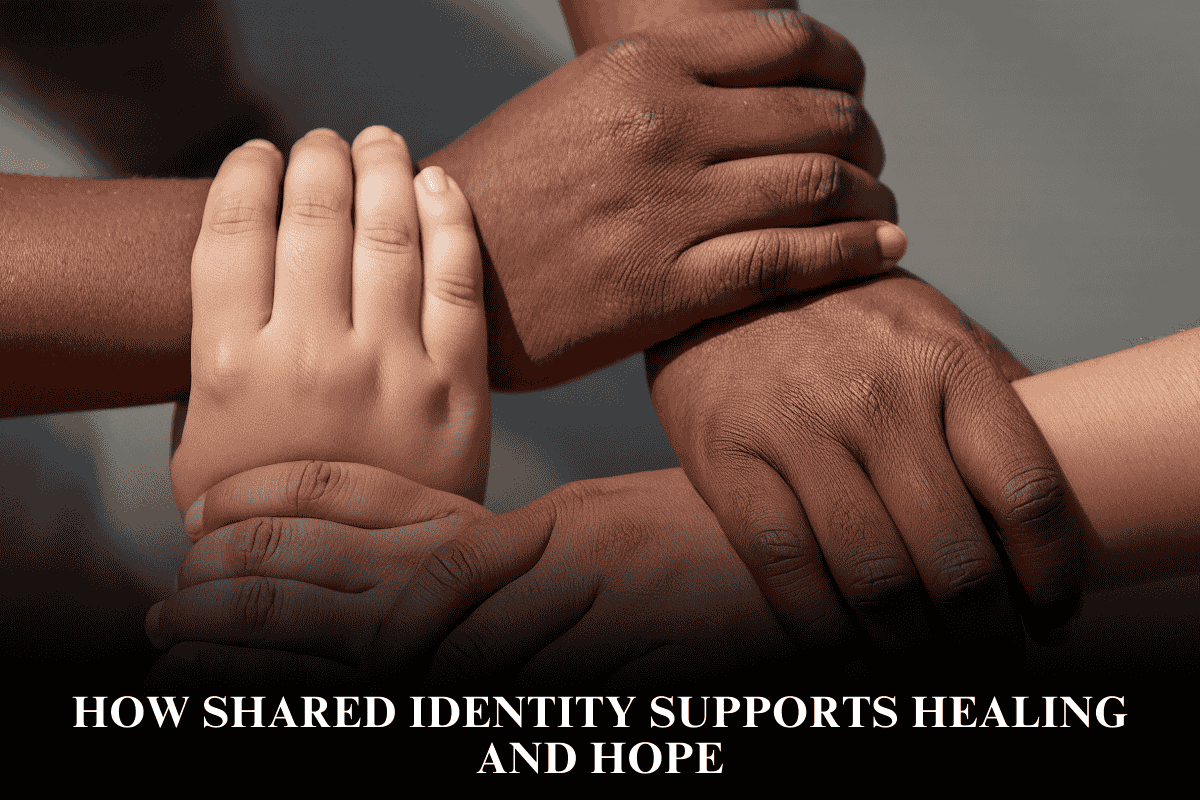
Community partnerships have become essential in this rebuilding phase. Libraries, local nonprofits, and after‑school programs collaborate to provide tutoring, mental health support, and digital access. These efforts show that recovery is not a solitary act by institutions but a shared endeavor involving families, educators, and communities.
Equity and Access in Education Recovery
A key lesson from recent crises is that recovery must be equitable. Longstanding gaps in technology, funding, and opportunity widened for many low‑income families and students in rural or marginalized communities.
Federal and state programs now focus on bridging digital divides, improving broadband access, and investing in underfunded districts.
Schools are also emphasizing social‑emotional learning to address the mental health impact on students and educators alike. Programs promoting empathy, mindfulness, and peer mentoring help young people reconnect and rebuild confidence. Recovery, therefore, is not just academic—it’s deeply human.
Innovation and the Future of Learning
The recovery journey has also accelerated educational innovation. Many districts now integrate technology not as a backup plan but as a central learning tool. Virtual labs, adaptive learning platforms, and AI‑powered tutoring are expanding opportunities for personalized education.
Moreover, educators are reimagining assessment systems to focus less on standardized test scores and more on critical thinking, creativity, and collaboration.
Universities and workforce programs are aligning more closely with industry needs, preparing students for a dynamic, tech‑driven economy. This moment of rebuilding is also one of reinvention.
Building a Culture of Shared Responsibility
True recovery requires a collective mindset. Families play a crucial role in reinforcing learning at home, while teachers need sustained professional support to adapt to new approaches.
Policymakers and communities must invest long term in inclusive and affordable education. The path forward lies in treating education recovery as everyone’s responsibility—a national mission to ensure every learner thrives.
FAQs
What does “journey of recovery” mean in education?
It refers to the process of rebuilding and improving schools, systems, and student well‑being after major disruptions such as the pandemic or economic downturn.
How are U.S. schools addressing learning loss?
They use tutoring programs, extended school hours, individualized learning plans, and summer enrichment activities to help students catch up.
Why is equity important in education recovery?
Because every student deserves the same opportunity to learn, regardless of income, geography, or background. Recovery that overlooks equity risks leaving the most vulnerable behind.
What role does technology play in recovery?
Technology provides flexible learning opportunities, connects isolated students, and enables teachers to personalize education in new ways.