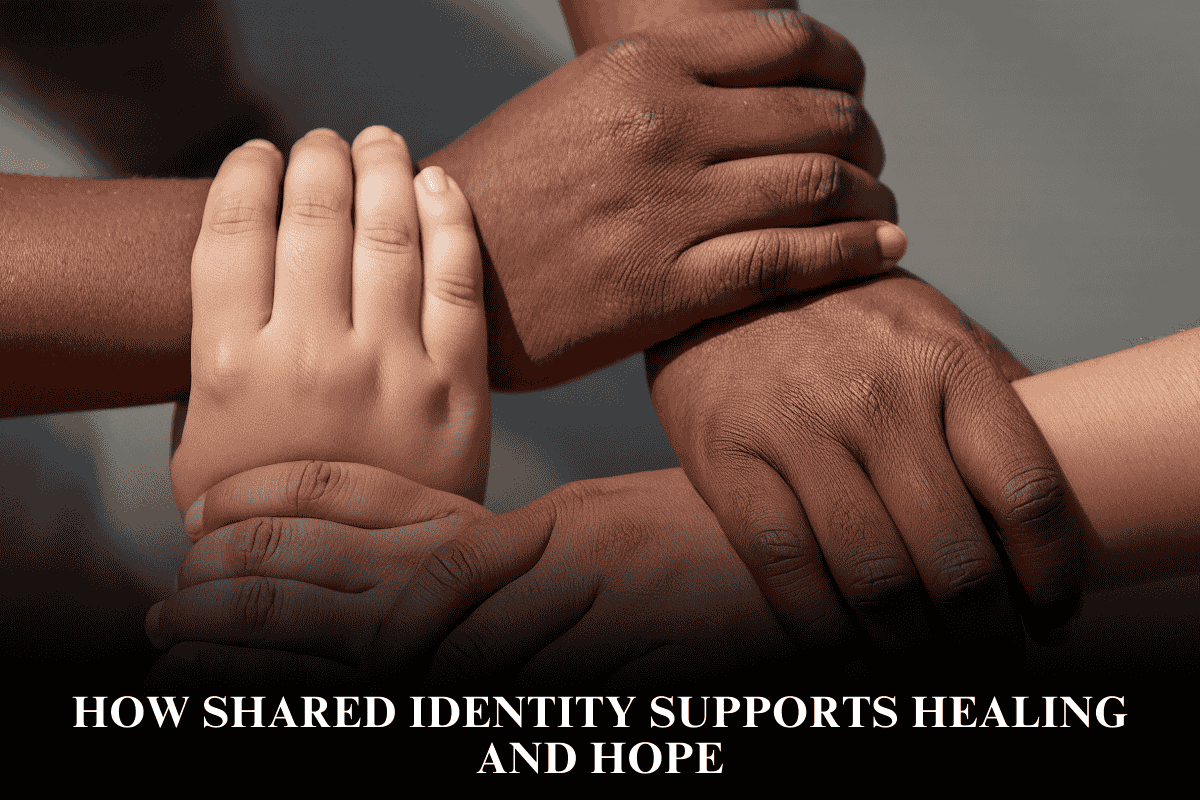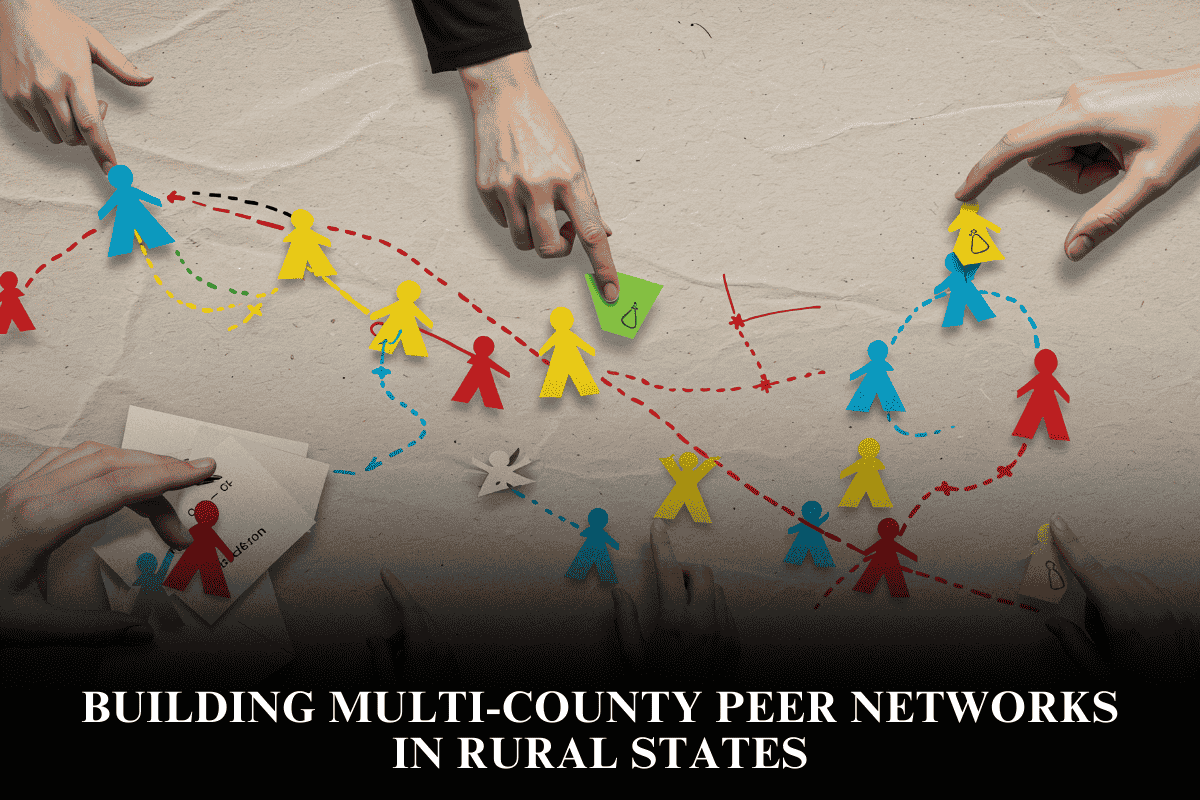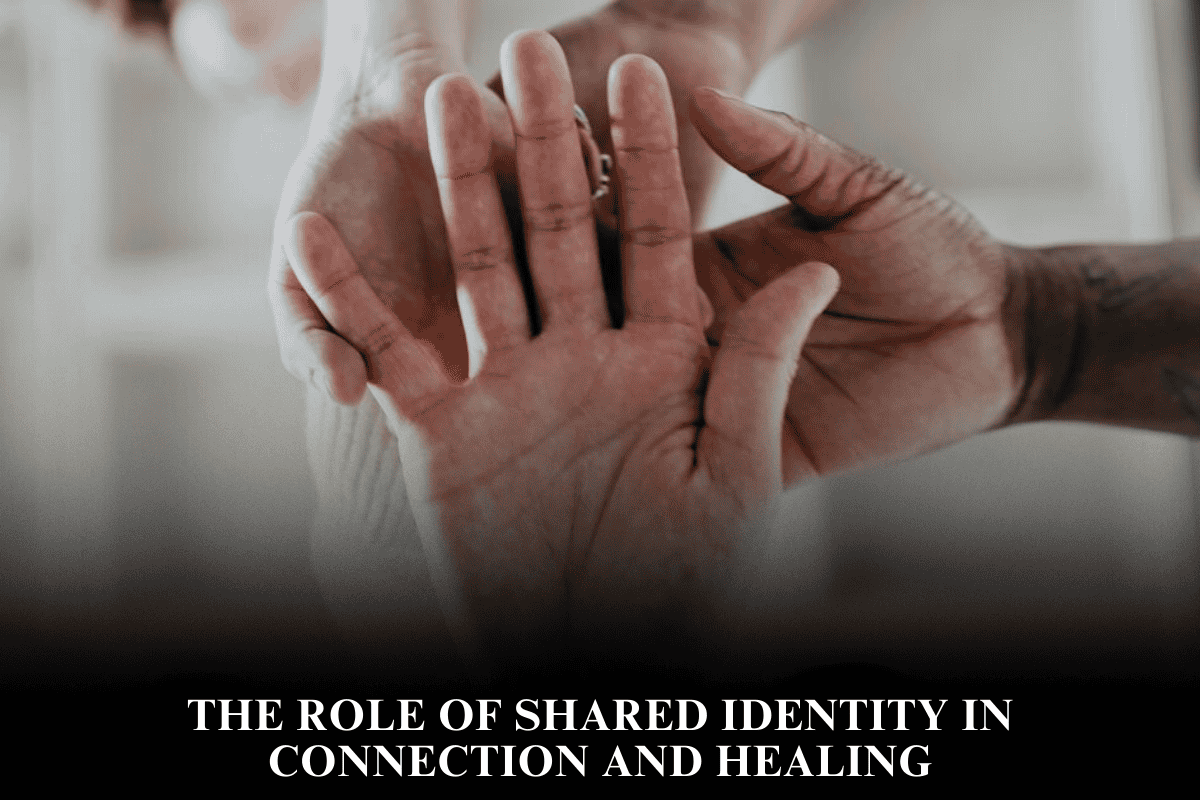
Shared identity plays a foundational role in fostering connection and healing within groups by creating a sense of belonging, mutual trust, and collective purpose. In sports teams and other group contexts, when individuals strongly identify with a shared identity, they experience enhanced cohesion, better communication, and emotional support, all of which contribute to resilience and recovery in challenging times. This shared identity becomes a powerful tool for linking individuals psychologically, promoting collaboration, and facilitating healing from setbacks or crises.
The Power of Shared Identity
Shared identity refers to the perception among members that they belong to the same group with common goals, values, and norms. This collective sense of “we” provides psychological security and motivation. In elite sports, identity leadership from coaches helps strengthen this shared identity by promoting inclusive communication and emphasizing team over individual success. Shared identity energizes group members to work cooperatively, fosters trust, and encourages personal investment into the group’s success, which builds a supportive environment conducive to overcoming adversity.
Connection Through Communication and Acceptance
In groups with strong shared identity, communication goes beyond mere exchange of information—it becomes a medium for acceptance and emotional support. Team members feel safer sharing their experiences, vulnerabilities, and concerns, knowing they are valued and understood. This acceptance facilitates deeper connections and reduces feelings of isolation during difficult moments. Leaders play a critical role in nurturing this environment by encouraging openness and modeling inclusive behaviors that reinforce group membership.
Building Cohesion for Effective Healing
Social cohesion—the emotional bonds that link group members—grows stronger with a shared identity. This cohesion positively impacts task effectiveness and emotional well-being. Strong cohesion helps teams manage stress and recover from setbacks more effectively by aligning members’ efforts and providing collective emotional resources. Research has linked higher cohesion to increased commitment, reduced social loafing, and greater satisfaction among members, all of which create fertile ground for healing and resilience.
Leadership’s Role in Shaping Shared Identity
Leaders who embody identity leadership principles shape shared identity by focusing on collective goals and promoting inclusive team norms. Their behaviors foster acceptance, distinctiveness, and trust within the group, which enhance communication and collaboration. By celebrating achievements and defining shared habits, leaders reinforce what the group stands for, helping members internalize the group’s identity. This internalization makes members feel connected and invested, which is crucial for navigating challenges and healing collectively.
FAQ
What is shared identity in a group context?
Shared identity is the feeling among members that they belong to the same group with common goals and values, fostering connection and collaboration.
How does shared identity aid healing in teams?
By creating emotional bonds and trust, shared identity helps members support each other, manage stress, and recover from setbacks collectively.
Why is communication important for shared identity?
Open, accepting communication reinforces belonging and safety, enabling members to share vulnerabilities and strengthen group ties.
What role do leaders play in shared identity?
Leaders promote shared identity by emphasizing collective goals, fostering inclusive norms, and reinforcing group values through their behaviors.
Can shared identity improve team performance?
Yes, strong shared identity enhances cohesion, commitment, and cooperation, which lead to better task execution and overall success.