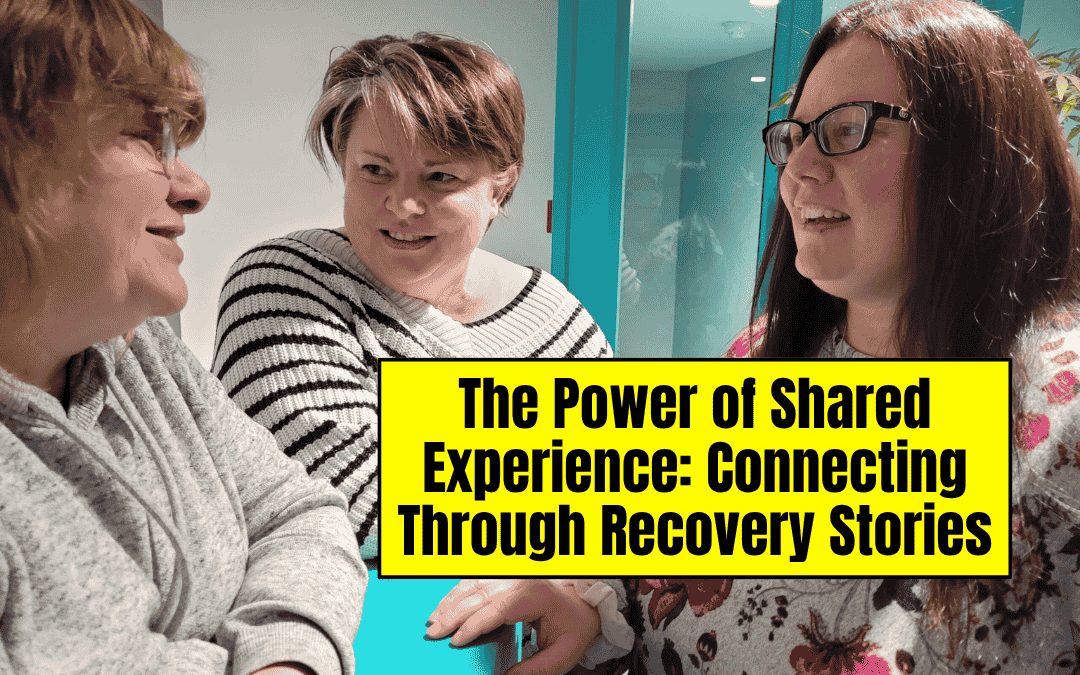
When we hear another person speak of their journey through recovery—whether from substance use, mental health challenges, or the ripple effects of trauma—we feel something shift. Something unspoken connects people, bridging the gap between isolation and community.
In cities across the United States—like Des Moines, Iowa; Seattle, Washington; and Atlanta, Georgia—this kind of connection is becoming a lifeline. Organizations like the Iowa Peer Network are turning recovery stories into powerful tools of healing and transformation.
Rediscovering Strength Through Story
Imagine walking into a support group meeting in Des Moines, where someone shares a story of waking up one day, feeling disconnected from family and friends, and deciding that things needed to change.
That personal anecdote, raw and unscripted, resonates. Hearing someone say, “I know exactly how you feel,” dismantles walls instantly. It triggers a memory or emotion—acknowledging that we’re not alone.
Studies show that peer support—real people sharing real stories—can significantly enhance resilience and improve outcomes in recovery. In the context of the Iowa Peer Network, this shared experience forms the very foundation of connection.
By empowering individuals to speak their truth and listen to others, the network creates a web of mutual support that is both emotionally and statistically meaningful.
The Transformative Role of Community
In cities like Boulder, Colorado, or Minneapolis, Minnesota, it’s common for peer support groups to meet weekly, sometimes daily. These gatherings do more than share experiences—they build accountability and belonging. When someone says, “I’ve got your back this week,” it becomes a promise to show up and keep going.
For the Iowa Peer Network, connecting people across diverse backgrounds is a core mission. In towns such as Cedar Rapids and Iowa City, individuals who have walked through darkness discover that sharing their story might spark hope in someone else.
A thirty-minute story can ripple outward: someone listens, then shares, then supports another, forming a chain of healing that transcends geography. The shared experience becomes a collective strength.
Data backs this up—peer-led recovery initiatives in the U.S. show engagement rates up to 25% higher than traditional programs. When someone says, “I did that too,” it’s not just words—it’s evidence that recovery is possible.
Navigating the Nuances: Beyond the “Recovery Tale”
There’s complexity in storytelling. Raw honesty can be uncomfortable, and not every story ends neatly. Some include relapse, grief, or justice system involvement. Yet these truths are what make them powerful.
In Boston, Massachusetts, one peer-network program found that members who shared personal struggles—legal issues, homelessness, or co-occurring disorders—reported stronger self-efficacy and improved social connection.
The Iowa Peer Network prioritizes a culture of respect and non-judgment. When someone says, “I lost my job, my partner, and my self-worth,” the space allows for that pain to surface—and for listeners to respond with empathy.
This mutual vulnerability is the heartbeat of healing. The message is simple but profound: You are seen. You are heard. You matter.
Why It Works: Shared Stories as Catalysts
Shared experience works because it’s human. We are wired to recognize ourselves in others. When someone in Davenport, Iowa hears another describe anxiety before a job interview and how they coped, it sparks recognition: “If they could do it, maybe I can too.” It becomes an invitation to hope.
Stories are memorable. A person standing in front of a group saying, “I almost gave up, then I reached out—and I found you,” leaves an imprint. It’s retold, remembered, and becomes part of a community’s shared language. Across Iowa, this storytelling culture has turned recovery from an individual journey into a collective mission.
Building the Future Together
As the Iowa Peer Network grows, partners from hospitals in Cedar Falls to colleges in Ames are embracing peer-led recovery models. The goal is both simple and revolutionary: amplify authentic voices, reduce stigma, and build connection across communities.
From mid-sized cities to rural towns, peer networks are breaking the silence that too often isolates people in recovery.
Imagine a world where everyone entering recovery meets not only a clinician but also someone who has walked the same road and made it through. From rural Iowa to the suburbs of Chicago, that vision is steadily becoming reality.
Conclusion: The Shared Path Forward
The power of shared experience is not symbolic—it’s real, measurable, and deeply human. Through the Iowa Peer Network and similar initiatives nationwide, recovery stories are transforming into living bridges that connect individuals, foster resilience, and rebuild communities.
The next time you hear someone’s recovery story, remember: you’re not just listening. You’re participating. You’re part of something larger. And perhaps, your own story is still being written—shared, supported, and stronger than ever.
FAQs
1. Why are shared stories so important in recovery?
Because they create connection and empathy, reminding people that they are not alone and that healing is possible through shared understanding.
2. How does the Iowa Peer Network use storytelling?
It encourages individuals to share personal recovery experiences, fostering a culture of openness, hope, and collective healing across Iowa.
3. What makes peer-led recovery different from traditional programs?
Peer-led programs focus on lived experience and mutual support rather than hierarchy, allowing participants to learn from equals instead of experts.
4. Can storytelling actually improve recovery outcomes?
Yes. Studies show that peer-based recovery programs with storytelling elements increase engagement, reduce relapse rates, and enhance self-confidence.
5. Who can participate in the Iowa Peer Network?
Anyone seeking support, connection, or a platform to share their recovery journey—whether they are early in recovery, long-term stable, or supporting others.