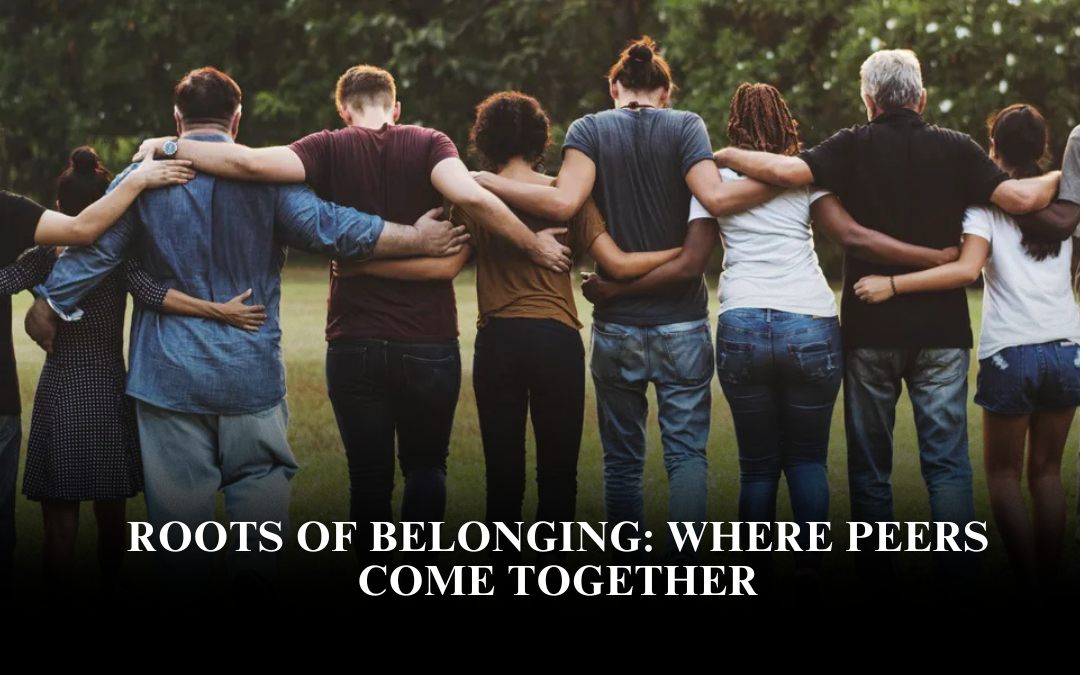
In educational and community settings across the United States, peer groups play a crucial role in fostering a sense of belonging, support, and personal growth.
These groups bring students together to share experiences, build resilience, and develop social and leadership skills. The power of peer connections is increasingly recognized as foundational to well-being and academic success.
Student-Led Peer Groups
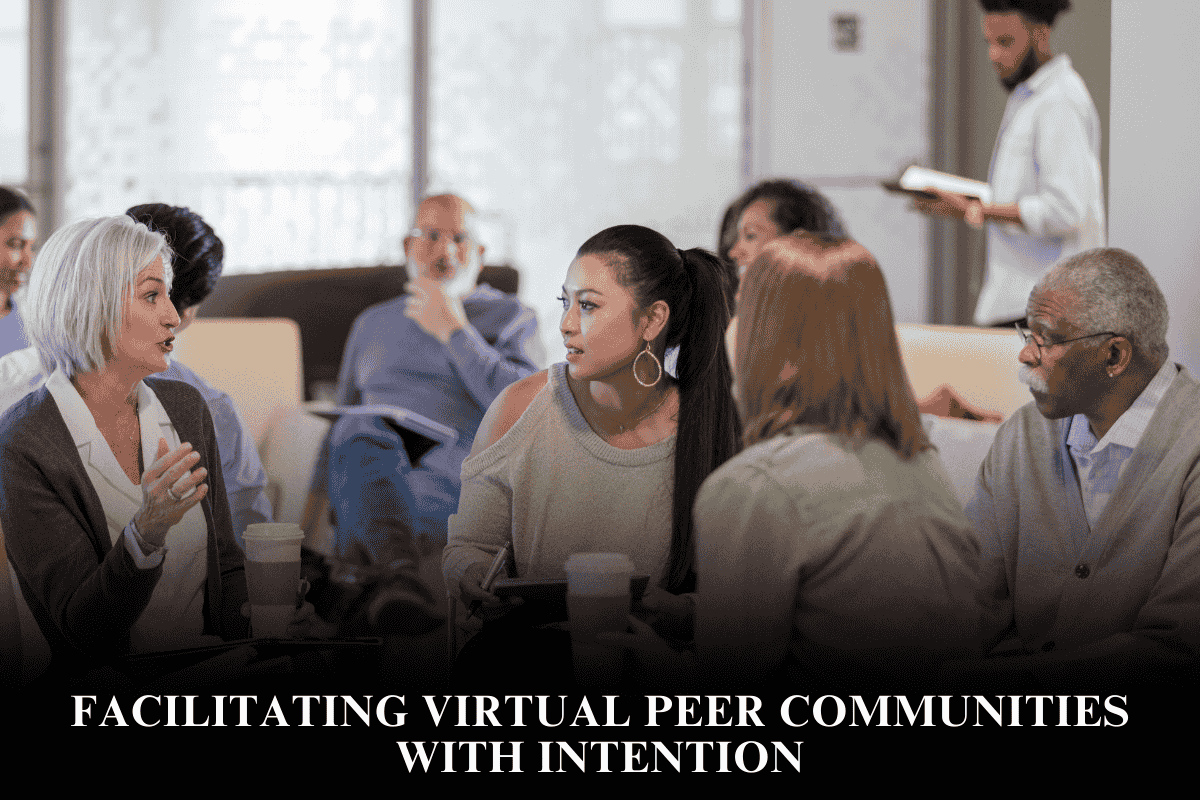
Many universities and schools now host student-led peer groups focused on well-being and social support. For example, the University of Washington offers LiveWell Peer Groups, facilitating discussions on topics like body acceptance and healthy social media use.
These groups create safe, inclusive spaces where students can develop interpersonal skills and strengthen emotional resilience. Participation is voluntary and free, emphasizing accessibility and community building.
Peer-to-Peer Support and Leadership
Peer-to-peer support programs are vital in promoting academic achievements, positive behaviors, and mental health. Training students to mentor or support peers after trauma or during challenging transitions has shown benefits, including improved academic outcomes and reduced bullying.
Leadership opportunities in these groups contribute to participants’ self-confidence and social competence, creating a positive school culture.
Inclusive Support Communities
Colleges are expanding inclusive peer support groups addressing diverse needs. Collegiate recovery programs offer safe environments for students dealing with substance use issues, reducing stigma and fostering mutual aid.
These groups often depend on stable funding but have demonstrated effectiveness in providing critical social and emotional support during college life.
Peer Leadership Training
Programs such as PeerForward train students as leaders to promote college readiness and community campaigns. These workshops provide leadership training, role modeling, and skills to help peers navigate postsecondary pathways.
Alumni of such programs often become mentors and integral parts of the community support network, reinforcing a cycle of belonging and empowerment.
Benefits of Peer Belonging
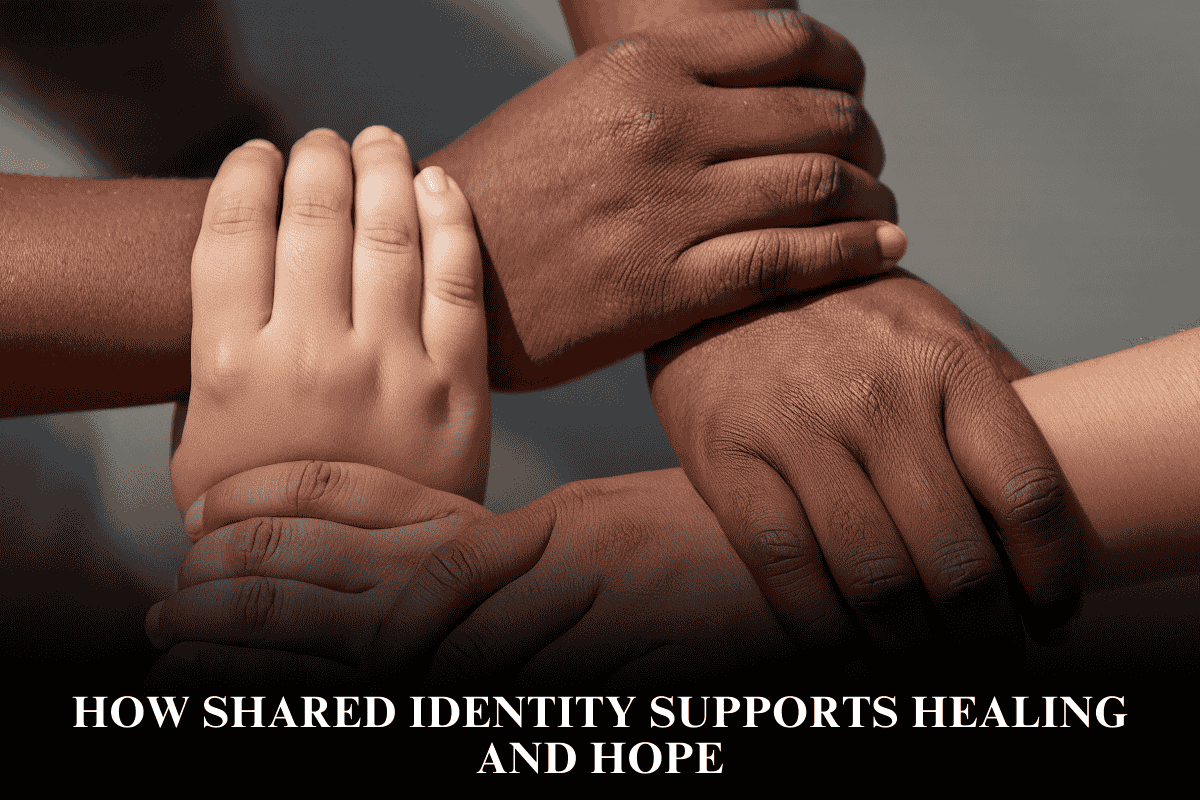
Peer groups build social connections that enhance a sense of belonging, reduce feelings of isolation, and improve overall well-being. Participants often gain communication skills, empathy, and leadership abilities.
Schools and universities increasingly invest in facilitating these groups as part of a broader strategy to promote student success and mental health.
FAQs
What types of peer groups exist in US educational institutions?
There are student-led well-being groups, peer-to-peer support programs, inclusive recovery communities, and peer leadership training workshops, among others. Each serves different social and emotional needs of students.
How do peer groups benefit students?
Peer groups improve academic performance, social skills, mental health, and provide leadership opportunities. They help students feel connected and supported, which enhances resilience and engagement.
Are peer groups open to all students?
Yes, most peer groups, like those at the University of Washington, are open to all students regardless of background and free to join. Inclusivity and accessibility are key priorities.
What support do peer groups need?
Stable and diversified funding is essential, especially for programs like collegiate recovery. Training for peer facilitators and institutional backing also strengthen the impact of these groups.
How can students get involved in peer groups?
Students can join through campus wellness centers, student affairs offices, or peer leadership programs. Many groups have regular meetings and outreach events to welcome new members.