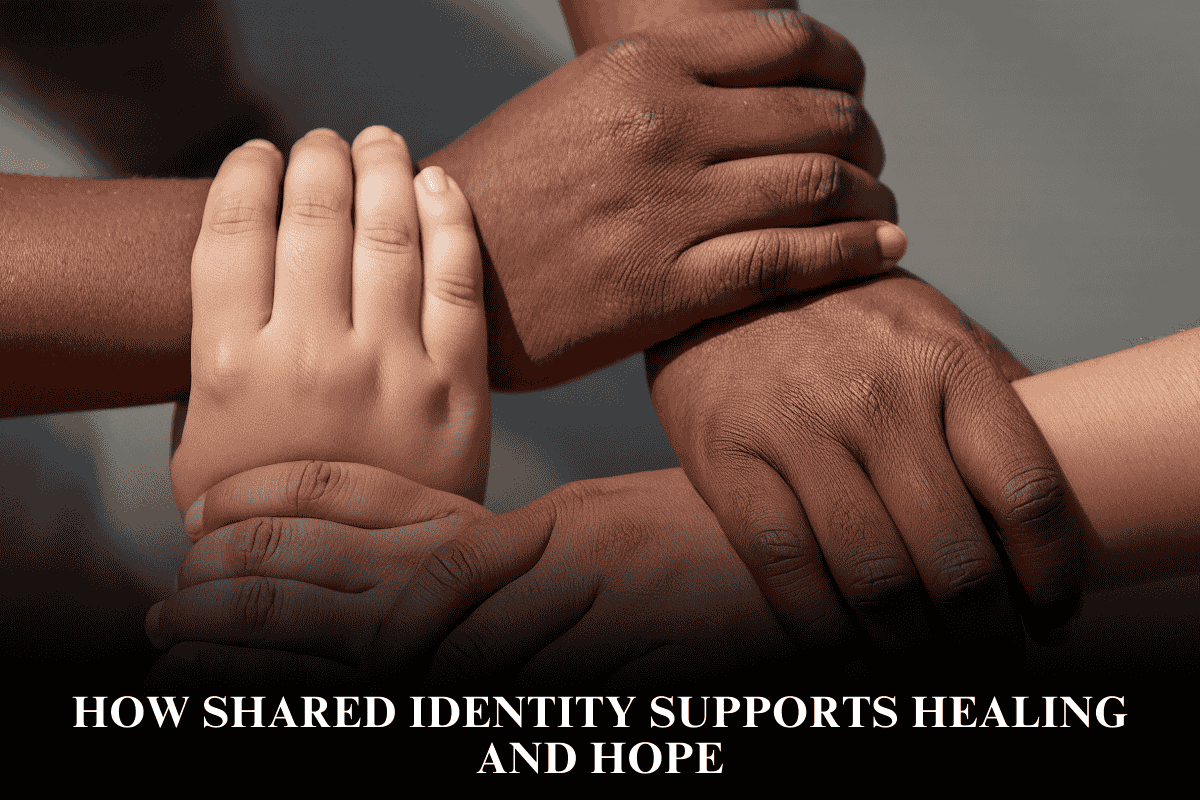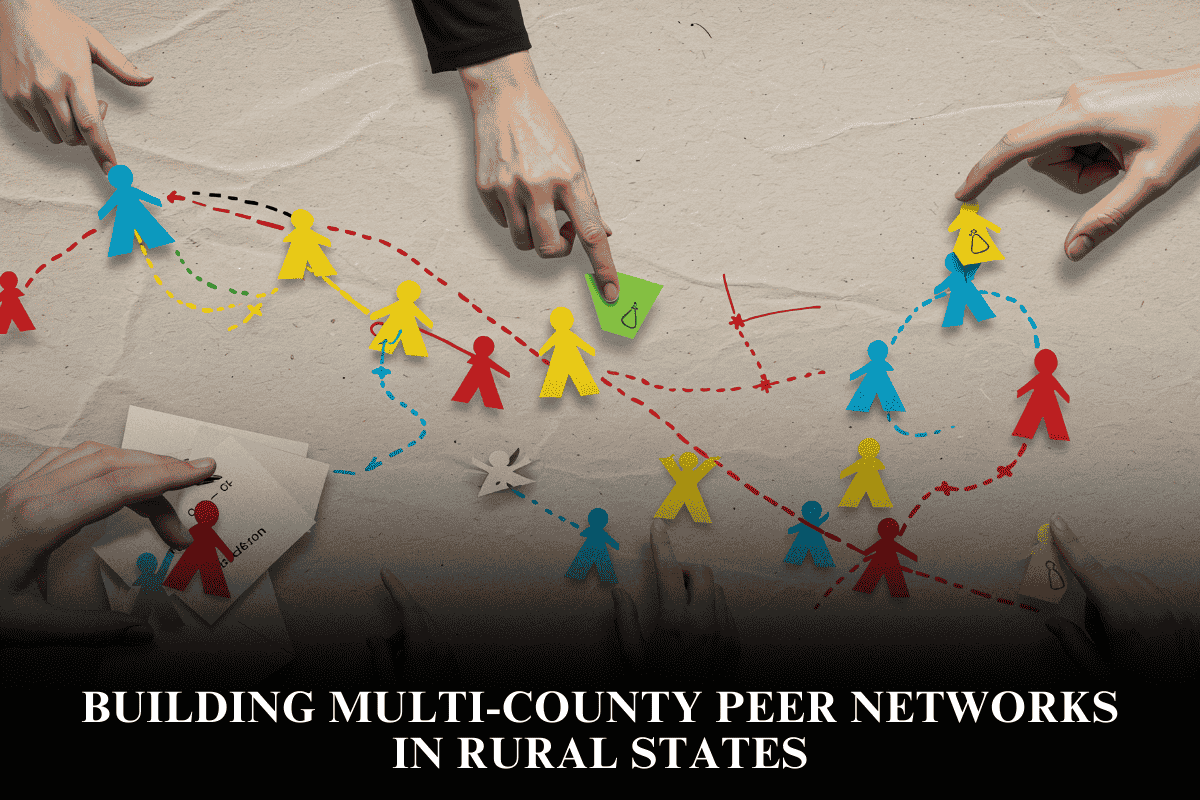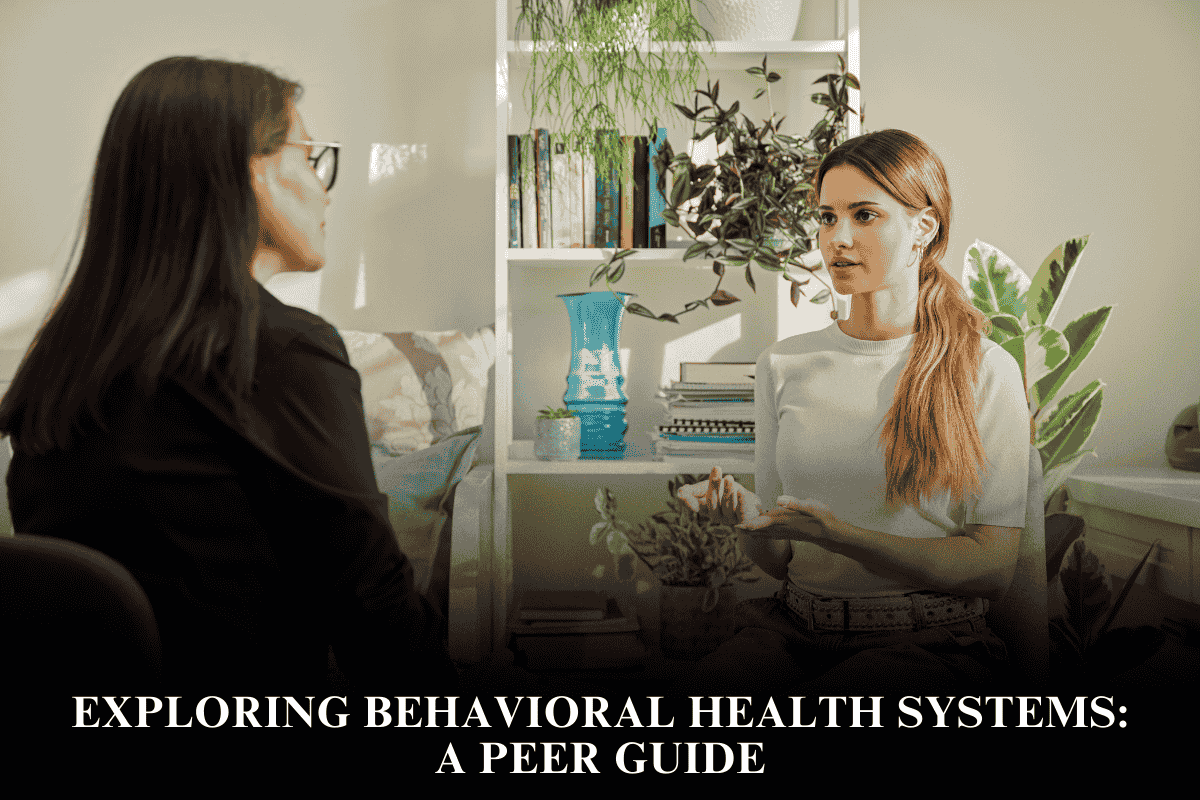
Peer connections weave the fabric of thriving communities, slashing isolation by 50% while boosting resilience through shared stories and mutual aid. Unlike top-down programs, peers—who’ve walked similar paths—offer empathy, practical tips, and hope, fostering belonging that cuts mental health crises and elevates collective health. Research confirms: strong ties predict longer lives, lower stress, and faster recovery, turning neighbors into lifelines.
Emotional Lifelines: Empathy and Validation
Peers validate struggles—”I’ve been there”—reducing stigma and loneliness as participants swap coping tools in safe circles. Mental health groups see 40% confidence gains; recovery rates soar when “you’re not alone” echoes from equals. This reciprocity—giving/receiving—sparks purpose, combating despair with communal strength.
Building Resilience: Shared Strategies
Peer networks equip with real-world hacks: budgeting workshops, crisis check-ins, skill-sharing that builds self-efficacy. Youth programs correlate with 30% fewer episodes; adults report enhanced coping via group debriefs. Confidentiality seals trust, empowering vulnerability.
Community Fabric: Belonging and Purpose
Groups knit social safety nets—50% treatment adherence jumps, chronic illness risks drop via bonds. Volunteers gain inclusion; neighborhoods activate via events, recirculating wisdom. Harvard studies link ties to longevity, echoing CDC: connection prevents heart disease, dementia.
Scaling Impact: From Circles to Networks
Start micro: weekly huddles evolve to apps, mentors; measure via feedback, retention. Challenges—imbalance—fix via rotations.
FAQ
Core peer benefit?
Empathy from shared paths reduces isolation 50%.
Mental health gains?
40% confidence boost, fewer crises.
Physical perks?
Lower heart disease, dementia risk via ties.
How measure success?
Adherence rates, feedback loops.
Implementation tips?
Weekly huddles, rotate roles.