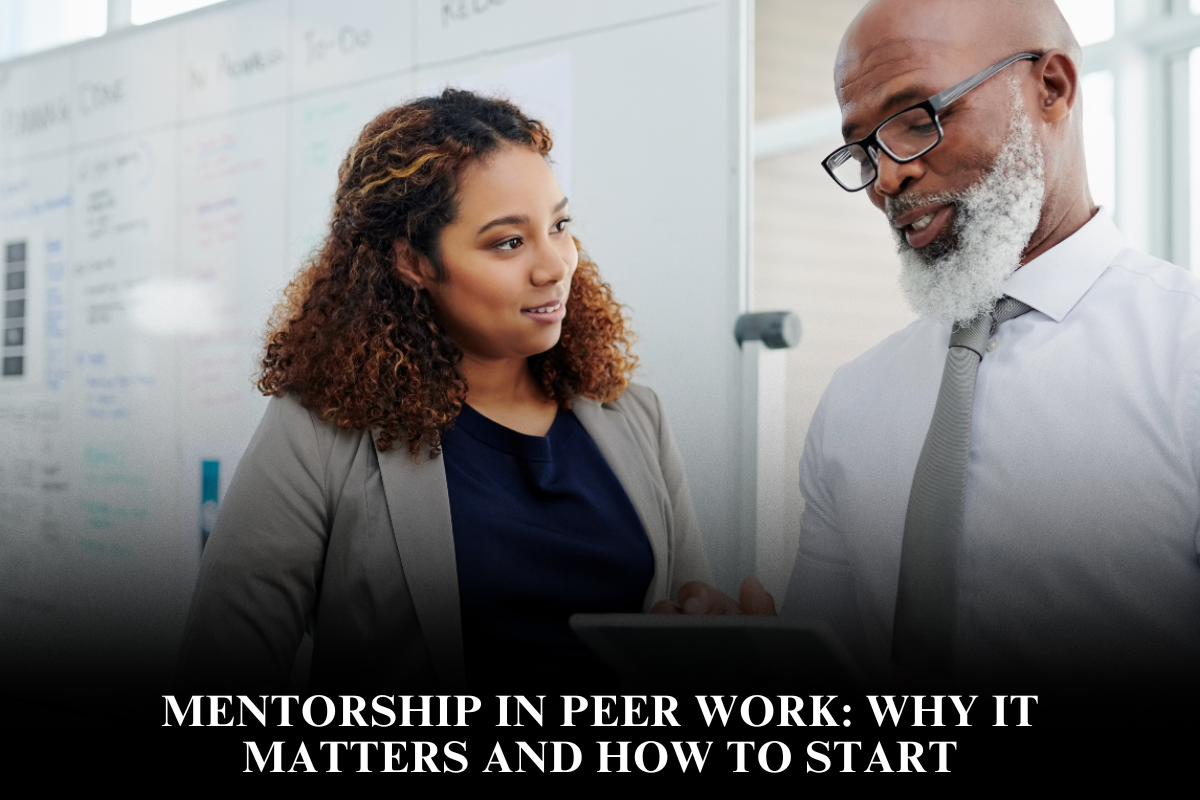
Mentorship in peer work is a powerful practice that fosters personal growth, skill development, and community building. By pairing individuals at similar career or life stages, peer mentorship creates a supportive atmosphere where knowledge, experience, and encouragement flow in both directions.
Why Peer Mentorship Matters
- Mutual Learning and Skill Development:
Mentors and mentees exchange insights and problem-solving strategies, enhancing professional abilities and confidence for both parties. This collaborative learning accelerates career advancement and personal growth. - Building Stronger Connections and Community:
Peer mentorship cultivates trust and openness, reducing isolation and encouraging collective success. It fosters inclusive networks where members share challenges and celebrate achievements together. - Safe Space for Questions and Reflection:
Peer mentors create an environment where no question is too small or judgmental, encouraging honest communication about aspirations, challenges, and feedback. - Early Leadership Development:
Serving as a mentor hones leadership skills such as active listening, coaching, and motivating others, preparing individuals for future roles.
How to Start a Peer Mentorship Program
- Define Objectives and Scope:
Identify the goals of the program—skills development, onboarding, diversity support—and determine participant eligibility and program reach. - Secure Leadership Buy-In:
Present the business case, showing how mentorship aligns with organizational goals and benefits talent development. - Build a Steering Team:
Include HR, managers, and representatives from different departments to design and implement the program. - Create Structure and Guidelines:
Set expectations for meetings frequency, confidentiality, communication styles, and goal setting. - Train and Support Mentors and Mentees:
Offer training on effective mentoring practices, feedback exchange, and cultural sensitivity to ensure productive relationships. - Promote and Launch the Program:
Market opportunities widely, encouraging participation and creating momentum. - Monitor and Adapt:
Gather feedback regularly, assess outcomes versus goals, and iterate to improve impact.
FAQ: Peer Mentorship
Q: What is the difference between peer and traditional mentoring?
A: Peer mentoring occurs between individuals of similar status or experience levels, often fostering more relatable and reciprocal relationships.
Q: How often should peers meet?
A: Every two weeks or monthly is recommended, allowing flexibility for informal or virtual meetings.
Q: What skills can mentors develop?
A: Leadership, communication, problem-solving, and coaching skills are commonly enhanced.
Q: Can peer mentorship work in virtual teams?
A: Yes, with video calls, chats, and shared digital resources enabling effective remote mentoring.