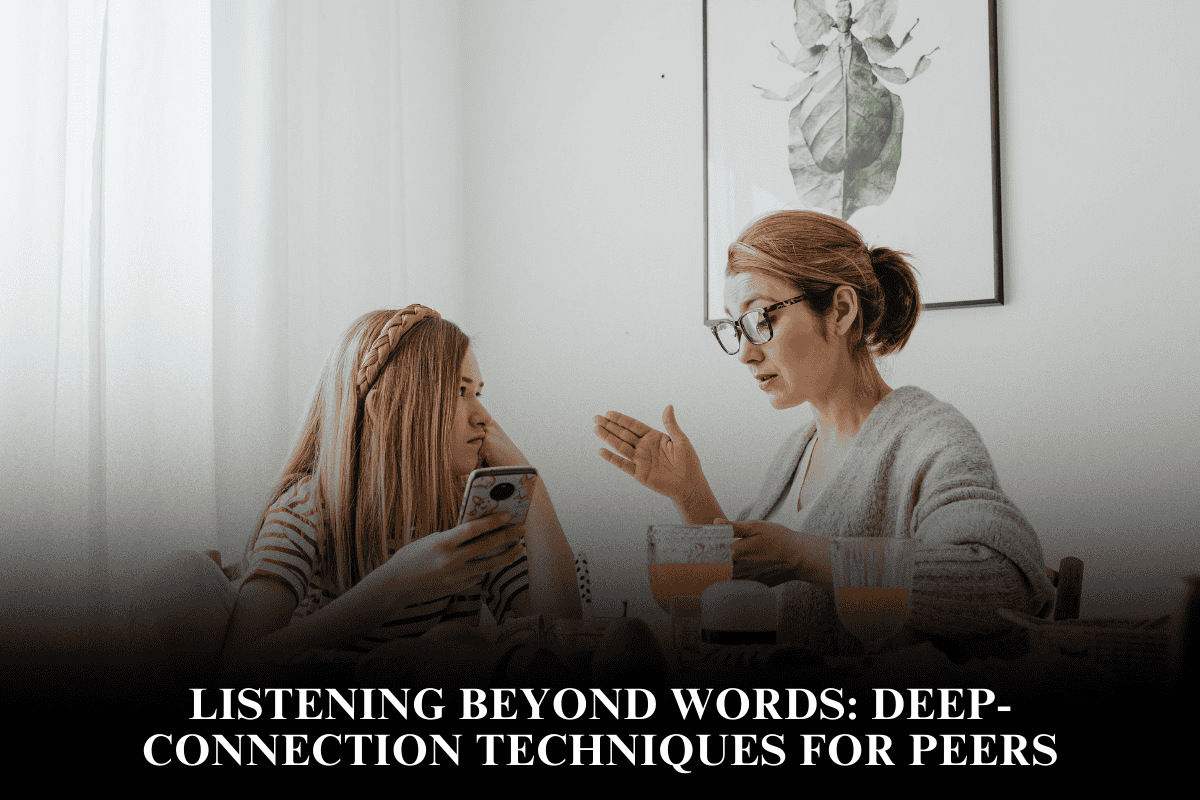
Active listening forges profound connections by demanding full presence, validating emotions, and fostering empathy beyond mere words. In distracted digital eras, this “lost art” counters superficial exchanges, building trust through undivided attention and reflective responses. Benefits span reduced conflicts, stronger bonds, and heightened emotional intelligence, transforming relationships personal and professional.
Core Elements of Deep Listening
Deep listening requires suspending self-focus: face the speaker, maintain eye contact, nod affirmatively, and eliminate distractions like phones. Paraphrase content—”It sounds like you’re frustrated because…”—and empathize with feelings to confirm understanding without judgment. Nonverbals like open posture signal engagement, releasing oxytocin for bonding.
Avoid interrupting or planning rebuttals; instead, ask open questions like “What happened next?” to deepen insight.
Psychological and Relational Benefits
Presence makes speakers feel valued, easing defensiveness and encouraging vulnerability for authentic dialogue. Leaders practicing it see 25% higher team performance and 30% better retention via trust. Couples report fewer misunderstandings; individuals gain self-awareness from reflective exchanges.
Empathy grows as listeners grasp nuances, resolving conflicts through mutual understanding.
Barriers and Revival Strategies
Digital multitasking and emotional reactivity—defensiveness from triggers—erode presence. Combat via mindfulness: pause before responding, reflect post-conversation. Practice with challenging partners, prioritizing curiosity over agreement. Daily habits like device-free dinners rebuild the skill.
Lasting Impact on Well-Being
Fully present listening combats loneliness, enhances belonging, and promotes personal growth through diverse perspectives. It elevates communication, turning transactions into transformative connections.
FAQ
What defines active listening?
Full attention, paraphrasing, empathy, and nonverbal cues without interruption.
Why is presence crucial?
It validates speakers, builds trust, and releases bonding hormones like oxytocin.
How reduce emotional barriers?
Pause, check triggers, empathize before responding.
Benefits for relationships?
Deeper bonds, fewer conflicts, greater empathy and retention.
Quick practice tip?
Paraphrase and ask “Tell me more” in daily talks.