Open communication is a cornerstone of successful recovery communities, providing the trust, support, and emotional resilience necessary for lasting change. It builds deeper relationships, helps overcome isolation, and provides essential tools for addressing challenges at every stage of recovery.
The Role of Open Communication in Recovery
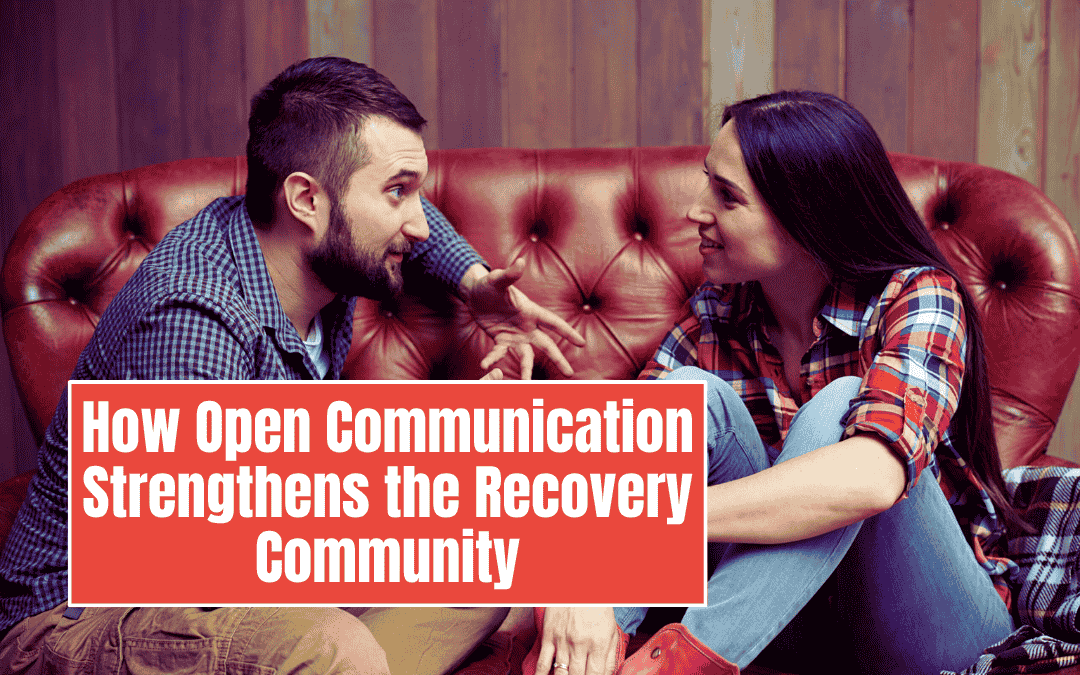
Open communication fosters honesty and understanding between individuals in recovery and their support networks. Being transparent about one’s struggles enables individuals to seek help early, reduce feelings of shame, and create deeper connections. It allows people to express their needs and emotions, helping loved ones offer the right kind of support.
Rebuilding Trust and Relationships
Many people in recovery experience broken relationships as a result of addiction. Open, ongoing dialogue serves as the foundation for mending and rebuilding trust. Communicating openly about past harms, current boundaries, and future hopes shows a commitment to honesty, which is essential for regaining trust over time. Even small moments of honesty, shared consistently, can gradually restore faith among friends and family members.
Preventing Isolation and Fostering Belonging
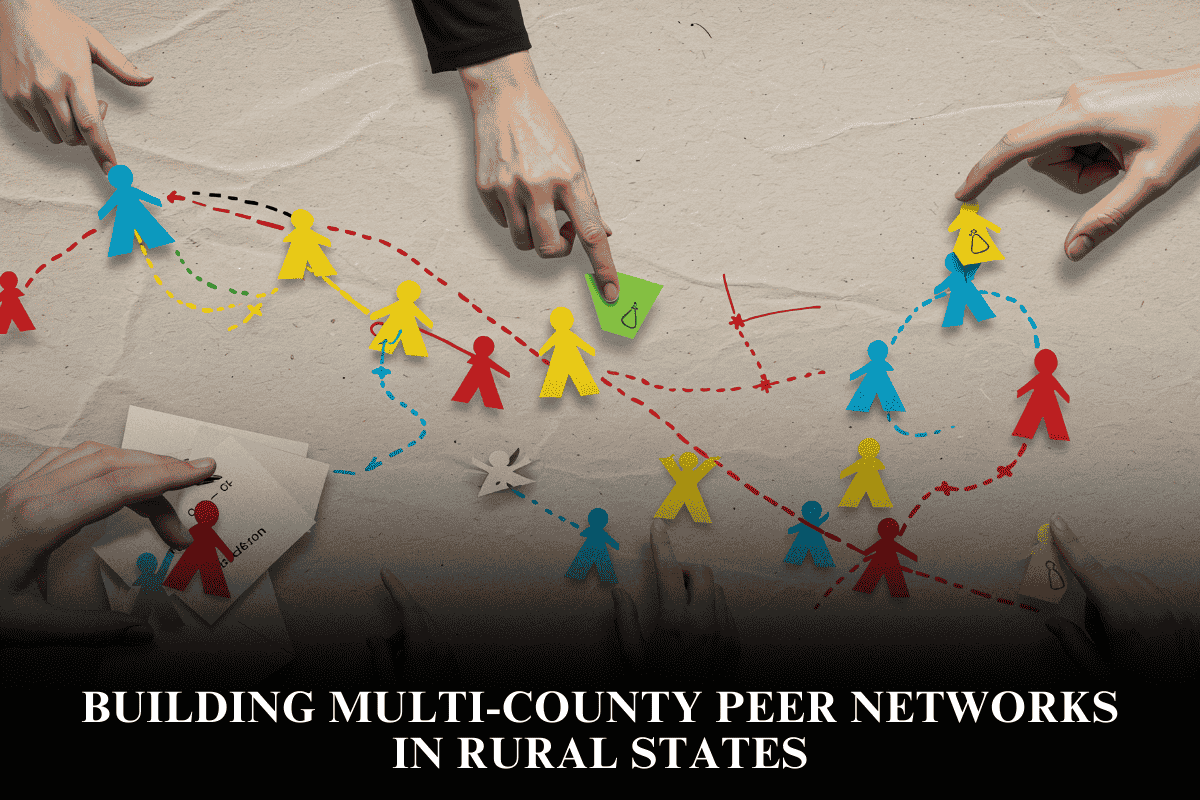
Addiction can be isolating, leading individuals to withdraw from their communities. When those in recovery share openly, they break cycles of shame and secrecy, decreasing feelings of loneliness. Open communication encourages participation in group meetings, therapy, and peer networks—settings where shared experiences offer comfort and collective strength.
Navigating Challenges and Sustaining Progress
Strong communication skills help individuals navigate setbacks, manage triggers, and resolve conflicts without relapse. Techniques such as active listening, assertiveness, and empathy promote mutual respect and reduce misunderstandings. These tools enable recovery communities to address issues before they escalate, sustaining progress and averting setbacks.
Communication Strategies for Recovery
- Practice active listening to show respect and understanding.
- Use “I” statements to honestly share feelings without blame.
- Set healthy boundaries and communicate them assertively.
- Seek professional guidance, such as family or group therapy, to facilitate open dialogue.
FAQs
Q: Why is open communication important in addiction recovery?
A: Open communication builds trust, reduces isolation, and helps individuals and families resolve issues constructively, forming a foundation for sustained sobriety.
Q: How can I improve communication during recovery?
A: Use active listening, speak honestly about emotions and struggles, set boundaries, and seek help from trained therapists or peer support groups to enhance your skills.
Q: What role do families play in open communication?
A: Families can help by providing safe spaces for honest conversation, avoiding blame, and supporting transparency, which helps break the cycles of secrecy often associated with addiction.
Q: Can open communication help prevent relapse?
A: Yes, communicating early about stress, cravings, or conflicts allows for timely support and intervention, reducing the likelihood of relapse.