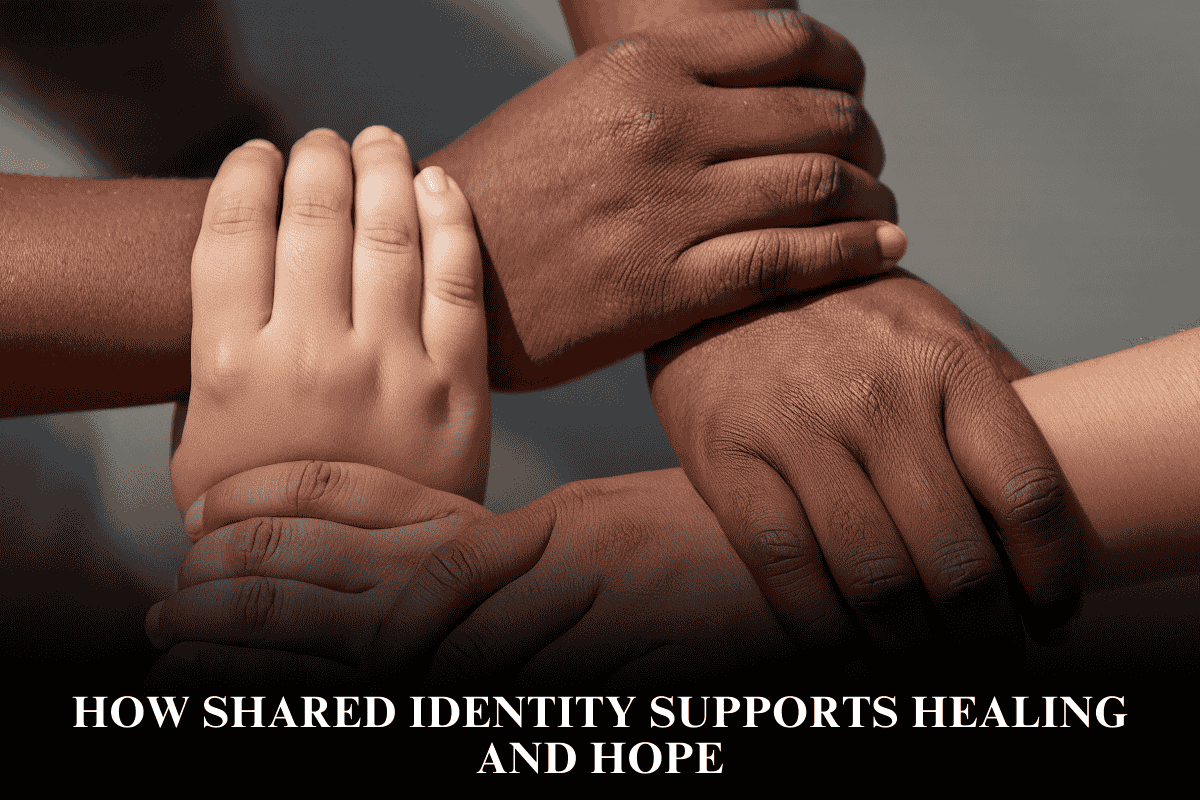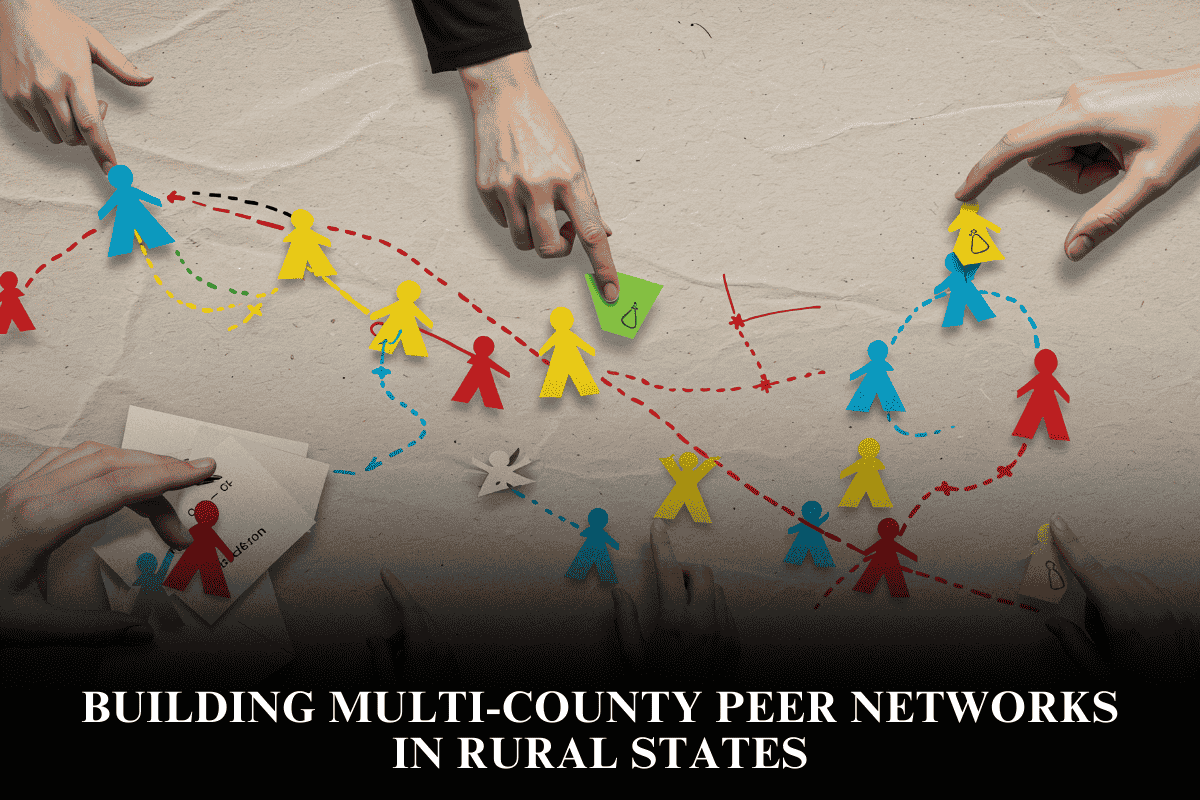
Connection plays a crucial role in recovery from mental health challenges and physical illnesses, supported strongly by research across psychology, epidemiology, and social science. Social connection fosters emotional support, reduces stress, and encourages positive health behaviors, creating a pathway for healing and sustained wellness.
The Science of Social Connection in Recovery
Research consistently shows that social connection improves recovery outcomes by lowering anxiety and depression while increasing self-esteem and resilience. Social ties—whether family, friends, or community—act as buffers against stress and illness by providing practical help, empathy, and a sense of belonging. These connections stimulate neurobiological pathways that regulate stress responses and promote neuroplasticity, key for recovery.
Emotional Safety and Belonging
Feeling emotionally safe within supportive relationships is foundational for recovery. Connection nurtures trust, which allows individuals to share vulnerabilities, seek help, and receive encouragement without fear of judgment. This “safe harbor” helps individuals rebuild identity and self-worth, essential steps toward healing and empowerment.
Social Support as Stress Buffer
According to stress and coping theories, social support lessens perceived stress, which in turn reduces symptoms of anxiety and depression. Connected individuals experience lower physiological stress responses like inflammation and cortisol release—both harmful in prolonged states. This buffering effect is a key mechanism explaining why people with stronger social networks recover faster and maintain better mental health long-term.
Connection’s Role in Sustained Recovery
Recovery is often non-linear and social isolation can trigger relapse. Maintaining strong, positive relationships introduces accountability, hope, and motivation to continue treatment and adopt healthier behaviors. Peer support groups, family involvement, and community networks offer practical guidance and shared experiences that help maintain momentum beyond clinical care.
Creating Connection: Practical Implications
Programs prioritizing social connection through group therapy, peer mentoring, or community engagement see improved recovery rates. Technology-enabled interventions such as online support forums and telehealth also expand access to meaningful social resources, especially for isolated individuals. Clinicians and caregivers are encouraged to assess social connectedness routinely and incorporate relationship-strengthening strategies as integral to treatment planning.
Frequently Asked Questions
Q. Why is social connection important for recovery?
It reduces stress, enhances emotional safety, boosts self-esteem, and fosters resilience, all essential to navigating and sustaining recovery successfully.
Q. How does social support physically impact recovery?
By lowering inflammation and stress hormones, social support impacts the body’s healing processes, improving both mental and physical health outcomes.
Q. Can peer support be as effective as professional help?
Peer support complements clinical treatment by providing empathy, shared experience, and accountability, which enhances overall recovery.
Q. What strategies help build connection during recovery?
Participation in support groups, family involvement, social skills training, and using technology to maintain contact all aid connection-building.
Q. How can individuals maintain connection when isolated?
Virtual support groups, regular phone/video check-ins, and engaging in community activities where possible help reduce isolation and promote connectedness.