Recovery from addiction, mental health challenges, or trauma is often described in solitary terms—a personal journey of triumph against overwhelming odds. But in the heartland of America, a quiet revolution is taking place through the power of connection.
In Iowa, what began as a grassroots movement is now shaping the way individuals rebuild their lives with the support of a dedicated peer network.
Facing the Isolation of Recovery
Imagine arriving at a rehab program or counseling session in Des Moines, Iowa, feeling isolated despite being surrounded by professionals who genuinely want to help.
You’ve done the hardest work—walked through the door, admitted you needed change—but afterward, the real challenge emerges: returning home to a world that may not understand.
Isolation in recovery isn’t just physical—it’s emotional and social. It’s the gap between what you feel and what others know.
It’s the fear of stigma in Cedar Rapids or Council Bluffs, the silence of explaining to loved ones why you still need support, and the ache of disconnection when what you crave most is understanding. This loneliness can quietly erode progress, increasing the risk of relapse or setbacks.
The Rise of Peer Networks in Iowa
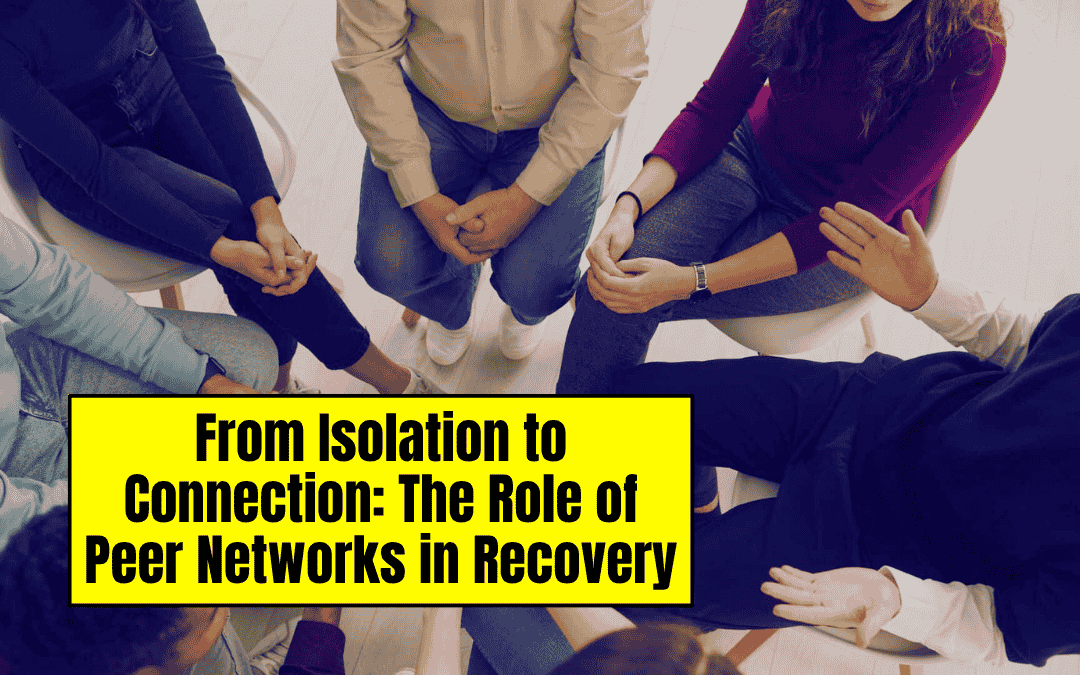
This is where peer networks step in. A peer network is a community of individuals with lived experience in recovery who reach out to help others walking the same path. They aren’t just mentors—they are companions.
In Iowa, these networks are changing thousands of lives simply by showing up, listening, and understanding.
In cities like Davenport, Sioux City, and Iowa City, peer-led meetings happen weekly in libraries, community centers, and faith-based spaces.
Local recovery coaches—people who once felt the same isolation—now facilitate discussions, offer one-on-one check-ins, and host “coffee and connection” gatherings. The tone is informal, the space is safe, and the message is clear: “You don’t have to do this alone.”
Across the state, these peer networks are proving transformative. Research shows that individuals engaged in peer support are more likely to stay in recovery programs, reduce relapse rates, and report higher quality of life.
Many participants experience fewer emergency visits, improved housing stability, and greater employment opportunities. These aren’t abstract statistics—they’re real stories playing out in communities large and small across Iowa.
Transforming Lives Through Connection
Take Sarah, for example—a young professional who moved to Cedar Falls and found herself battling anxiety and substance use. She joined a peer-led group that met just once a week.
Within months, she built a trusted circle of peers who became her lifeline during difficult moments. The meetings became more than sessions—they became relationships rooted in understanding.
Or Mark, a former construction worker from Dubuque whose opioid use strained his job and family. Through a peer network, he connected with someone who shared his background and experiences.
That bond gave him the courage to re-engage with his community and eventually mentor others. In giving back, Mark solidified his own recovery.
These stories show the power of peer engagement—it builds trust, reduces shame, and transforms vulnerability into strength. Recovery becomes less of a solo struggle and more of a shared movement.
Looking Forward: Community and Continuity
As the peer network model grows, Iowa’s focus is expanding beyond traditional support groups toward building a sustained ecosystem of care.
Urban centers like Des Moines and Iowa City are integrating hybrid models—blending virtual and in-person meetings—to make recovery accessible across all counties. Rural areas benefit from digital connection, while local meetups ensure personal touchpoints remain strong.
Public health officials are increasingly incorporating peer networks into treatment referrals. Employers in Des Moines and other cities now host workplace “recovery ally” sessions led by peers.
The result is a ripple effect—one where connection extends from individuals to families, workplaces, and entire communities.
From Isolation to Belonging
Recovery doesn’t have to be a lonely road. Through the expanding network of peers in Iowa, isolation is giving way to belonging, despair to connection, and stigma to shared strength. From Cedar Rapids to Sioux City, from small towns to big cities, people are finding hope in one another.
If you or someone you know feels alone in recovery, remember—you are not the only one. Within a community of peers who’ve been there, who understand, there is not just the chance to survive, but to thrive. In that transformation lies the true heart of recovery.
FAQs
1. What is a peer network in recovery?
A peer network is a community of individuals with lived experience in recovery who provide emotional, social, and practical support to others facing similar challenges.
2. How do peer networks help reduce isolation?
They offer consistent connection through meetings, check-ins, and shared activities—replacing loneliness with empathy and mutual understanding.
3. Are peer support programs available statewide in Iowa?
Yes. Peer-led recovery programs exist in cities like Des Moines, Cedar Rapids, Davenport, and across rural counties, both in-person and online.
4. What are the main benefits of peer support?
Research shows participants experience lower relapse rates, improved mental health, stronger relationships, and greater overall life satisfaction.
5. How can someone join a peer network in Iowa?
Individuals can connect through community health centers, local support organizations, or statewide initiatives like the Iowa Peer Network, which links peers across counties.