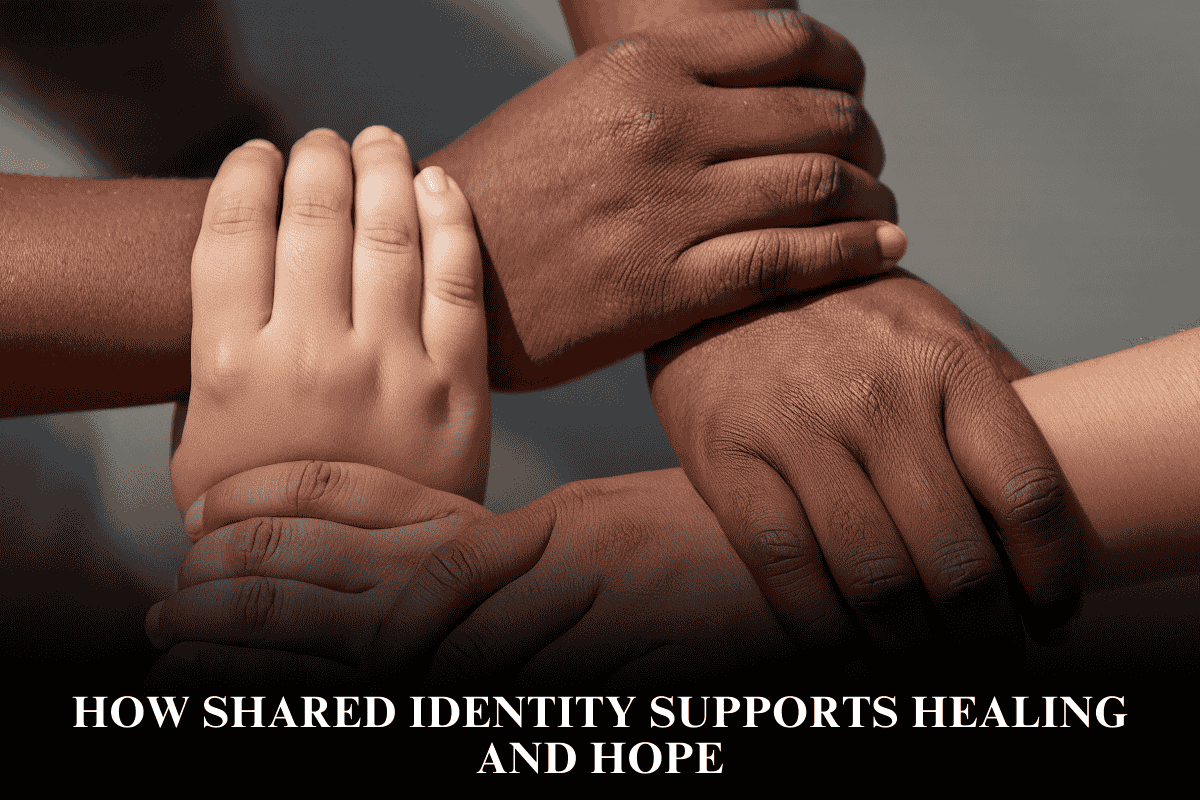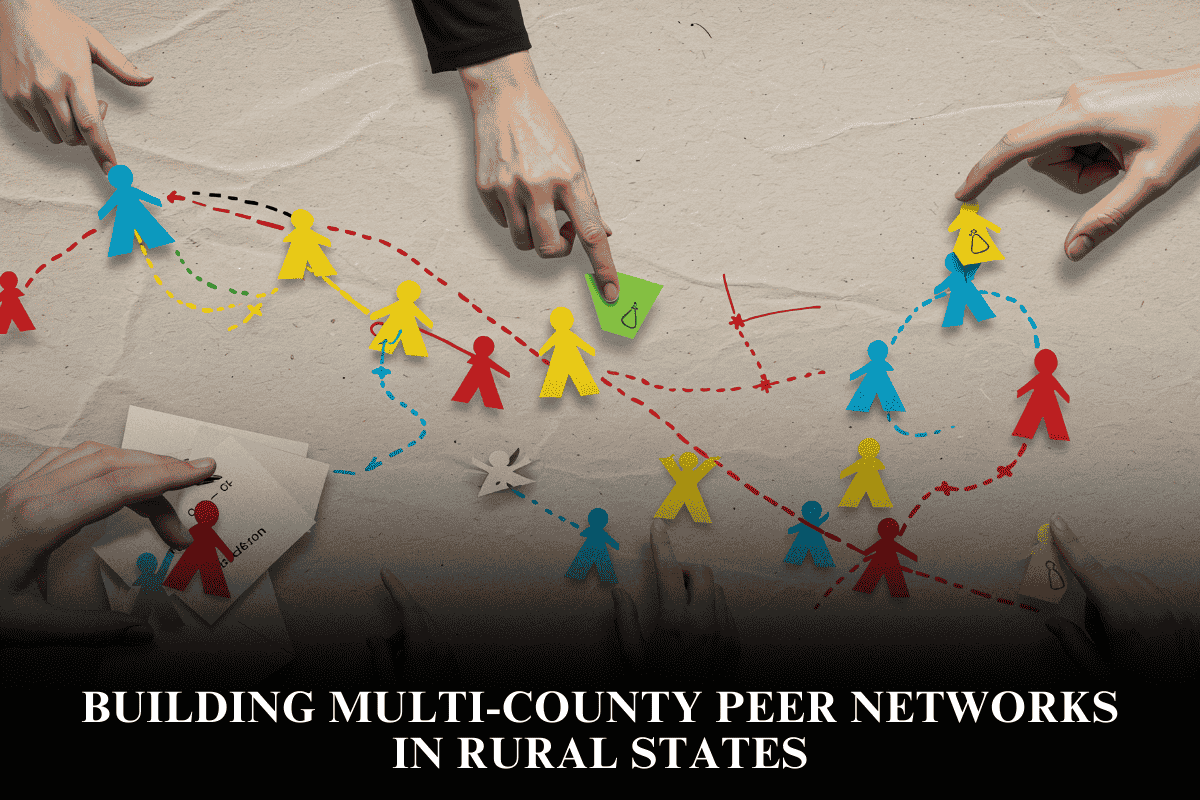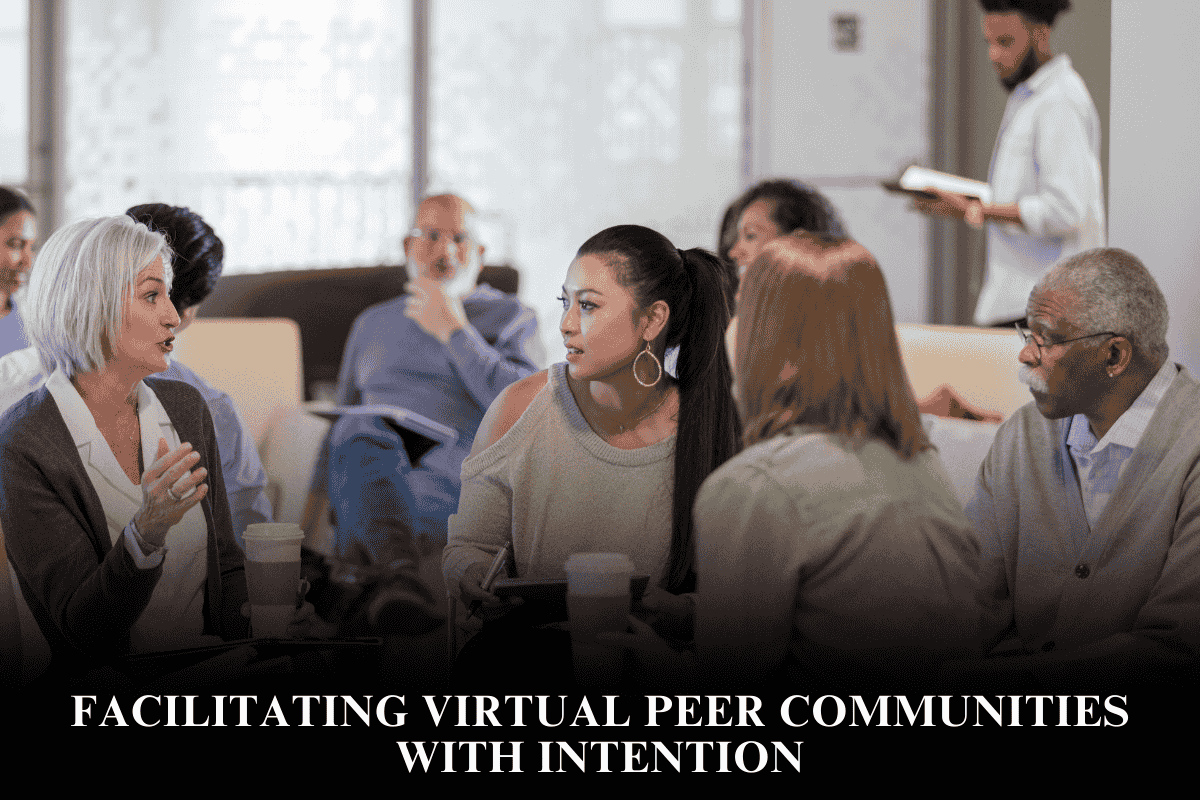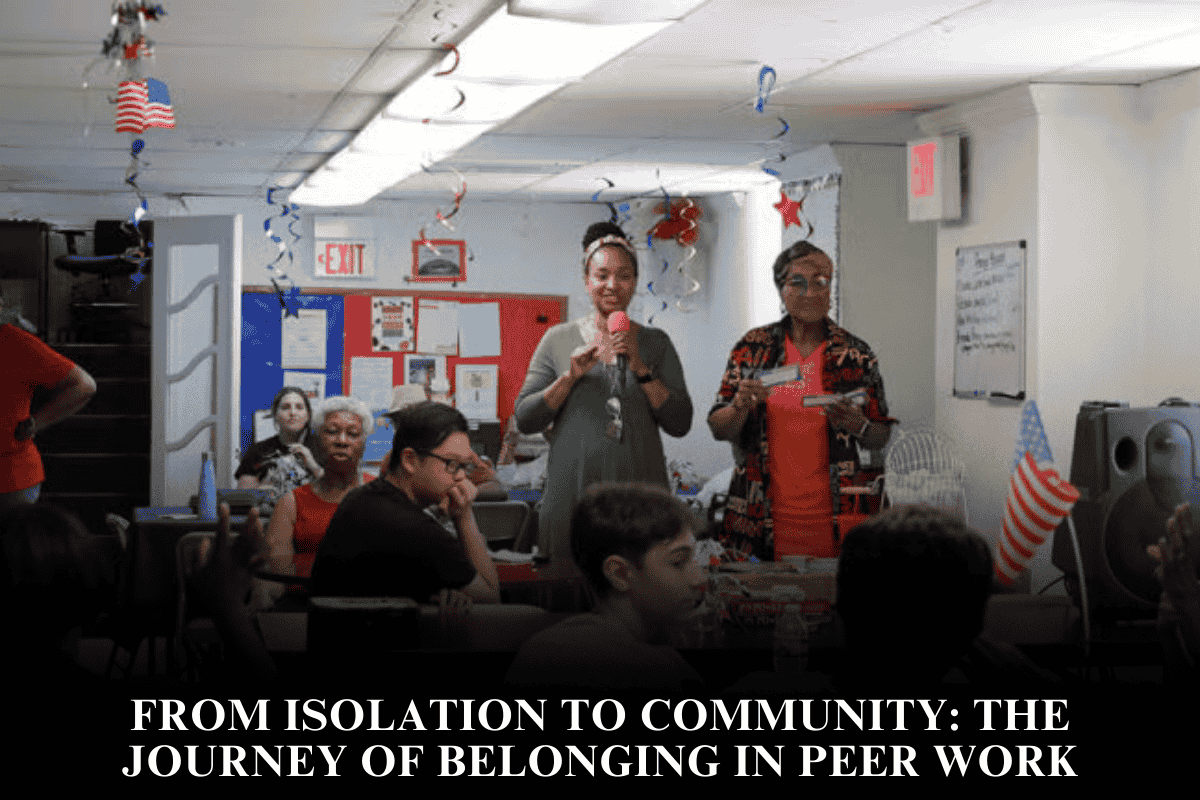
The journey from isolation to community in peer work is about moving from feelings of loneliness or separation to experiencing connection, support, and belonging through shared experiences and mutual understanding. This transformation is fueled by intentional community-building strategies that create safe, inclusive spaces for peer engagement, foster trust, and emphasize collaboration.
Building Belonging in Peer Work
- Creating a sense of belonging starts with forming peer groups that reflect diverse backgrounds and experiences, providing members with relatable sources of support and understanding.
- Regular interactions, such as collaborative forums, discussion groups, or team huddles, help sustain engagement and deepen relationships.
- Trust and openness are foundational; peers feel safe to share challenges and successes when vulnerability is encouraged and judgement minimized.
- Community-building practices in peer work emphasize mutual respect, shared goals, and recognizing each member’s unique contribution, fostering a collective identity.
Strategies for Sustaining Community
- Establish clear goals and values that guide the peer group’s purpose and activities.
- Use peer recognition and celebrate diversity to make members feel valued and included.
- Implement consistent structured interactions through virtual or in-person meetings to maintain momentum.
- Facilitate peer-to-peer engagement with tools and support systems like buddy programs to connect new members with experienced peers.
- Address challenges like participation gaps or conflicts proactively with clear guidelines and inclusive facilitation.
FAQ
Q: Why is community important in peer work?
A: Community provides emotional support, shared learning, and a sense of belonging that diminishes isolation and fosters personal growth.
Q: How do I start building a peer community?
A: Begin by identifying diverse members, setting clear objectives, and creating safe spaces for honest and open peer interactions.
Q: What role does trust play in community building?
A: Trust encourages vulnerability and honest communication, which are critical for strong peer connections and mutual support.
Q: How can peer recognition enhance community?
A: Acknowledging members’ contributions builds morale, strengthens relationships, and encourages ongoing participation.
Q: What tools help maintain engagement in peer communities?
A: Platforms like Slack, discussion forums, virtual meeting tools, and gamification strategies help facilitate regular, meaningful interactions.