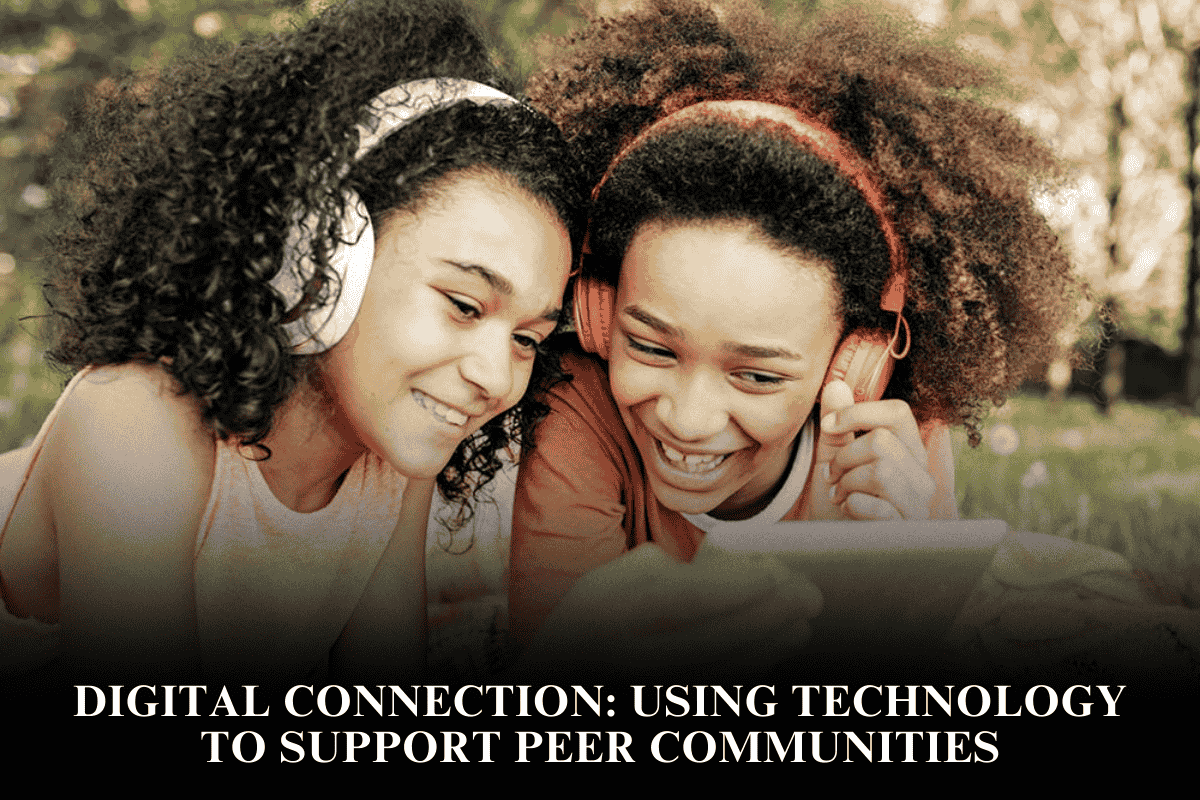
Technology has become a vital tool in strengthening peer communities by enhancing accessibility, communication, and engagement. Digital platforms enable peers to connect regardless of location, share experiences, access resources, and sustain supportive networks that foster growth, wellness, and collective resilience.
Benefits of Technology in Peer Community Support
- Increased Accessibility and Inclusivity:
Digital tools overcome geographic, physical, and social barriers, allowing individuals from diverse backgrounds and remote areas to access peer support and community groups anytime. - Anonymity and Privacy:
Many platforms offer options for anonymous participation, reducing stigma and encouraging participation by individuals who might hesitate in face-to-face settings. - Real-Time and 24/7 Support:
Instant messaging, forums, and virtual meetings provide immediate connection and crisis intervention, ensuring people receive timely assistance. - Community Building and Engagement:
Social media groups, online forums, and dedicated apps facilitate shared learning, resource exchange, and emotional support, fostering a sense of belonging and empowerment. - Training and Capacity Building:
Digital platforms provide peer educators with training modules, webinars, and virtual mentorship to continuously enhance skills and program effectiveness. - Data-Driven Improvements:
Technology allows collection of user feedback, engagement metrics, and outcomes to inform targeted support strategies and improve community impact over time.
Examples of Tech Tools Supporting Peer Communities
- Social media platforms (Facebook Groups, Instagram hashtags) for broad community engagement.
- Dedicated mental health apps like TalkLife, 7 Cups for structured peer support with mood tracking and journaling.
- Online peer support platforms offering guided discussions, training, and moderation to ensure safe environments.
FAQ: Using Technology to Support Peer Communities
Q: How does technology make peer support more accessible?
A: It eliminates distance and mobility barriers, allowing participation from anywhere and at any time, expanding the network’s reach.
Q: Can digital peer support be as effective as face-to-face?
A: Yes, studies show digital peer support can provide meaningful social connection, reduce isolation, and support wellness when thoughtfully designed.
Q: What privacy measures are in place on these platforms?
A: Many platforms allow anonymous interaction and have moderators to ensure confidentiality and safe communication.
Q: How do digital tools support peer educator training?
A: Through accessible online courses, webinars, and resource sharing, peers continuously build skills remotely.