In today’s fast-paced, digitally driven world, finding genuine connection can feel like a rare gem—especially for groups of peers seeking growth, support, and collaboration.
Whether it’s colleagues from a tech startup in Austin, neighbors in Portland forming a book club, or an alumni group in Chicago rekindling old bonds, the desire to connect remains timeless.
Research shows that people who regularly interact with their peers report higher levels of satisfaction, reduced stress, and stronger resilience.
In metropolitan hubs like New York City—where an estimated 70% of residents live in multifamily buildings—opportunities for peer interaction are abundant, yet often lack depth. Surveys reveal that nearly 40% of adults say they don’t have a meaningful connection with anyone in their community.
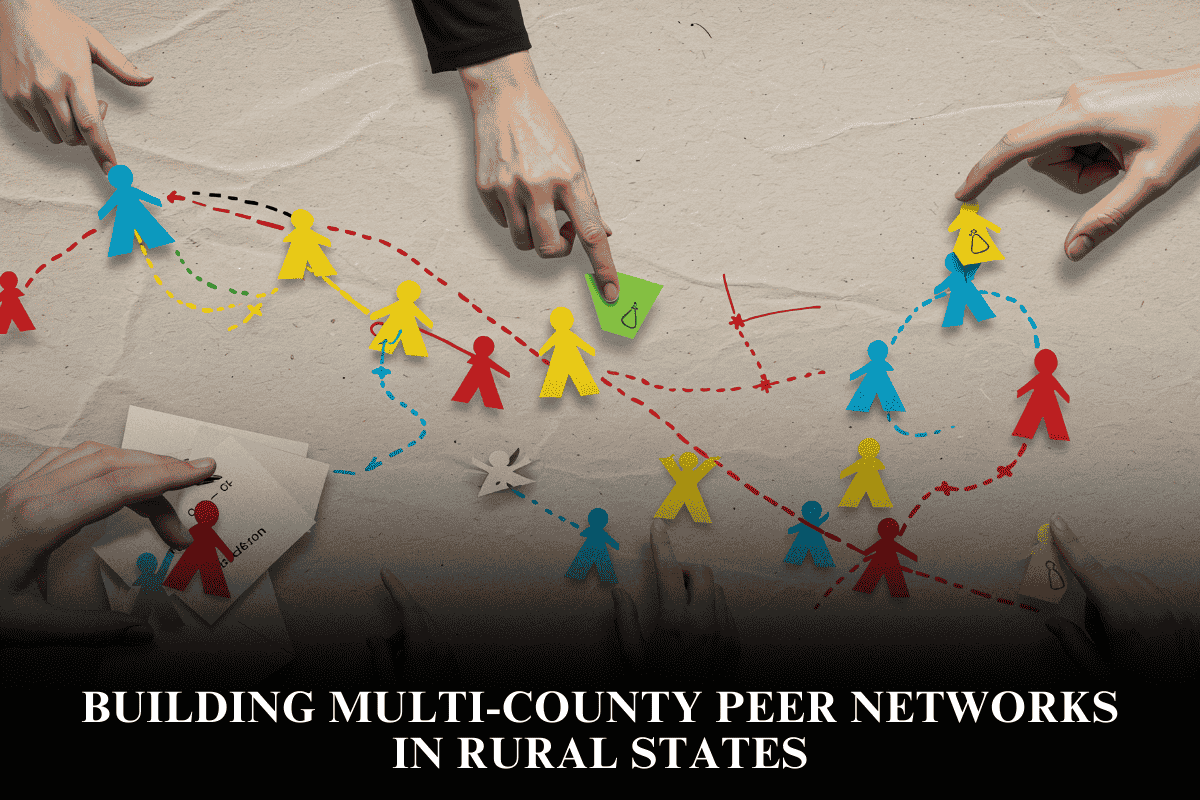
When peers do engage intentionally—not just casually—they create networks that foster creativity, emotional support, and shared learning. These bonds fuel everything from professional innovation to neighborhood strength.
Designing the Environment for Connection
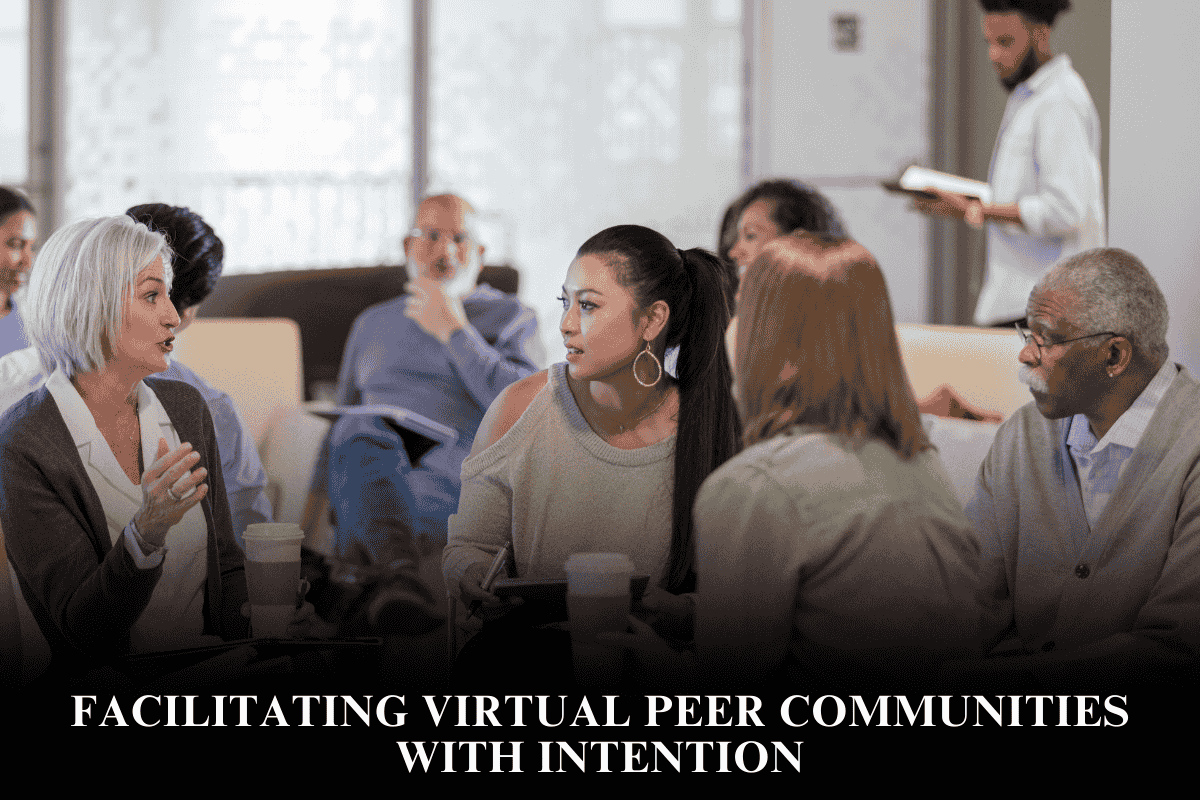
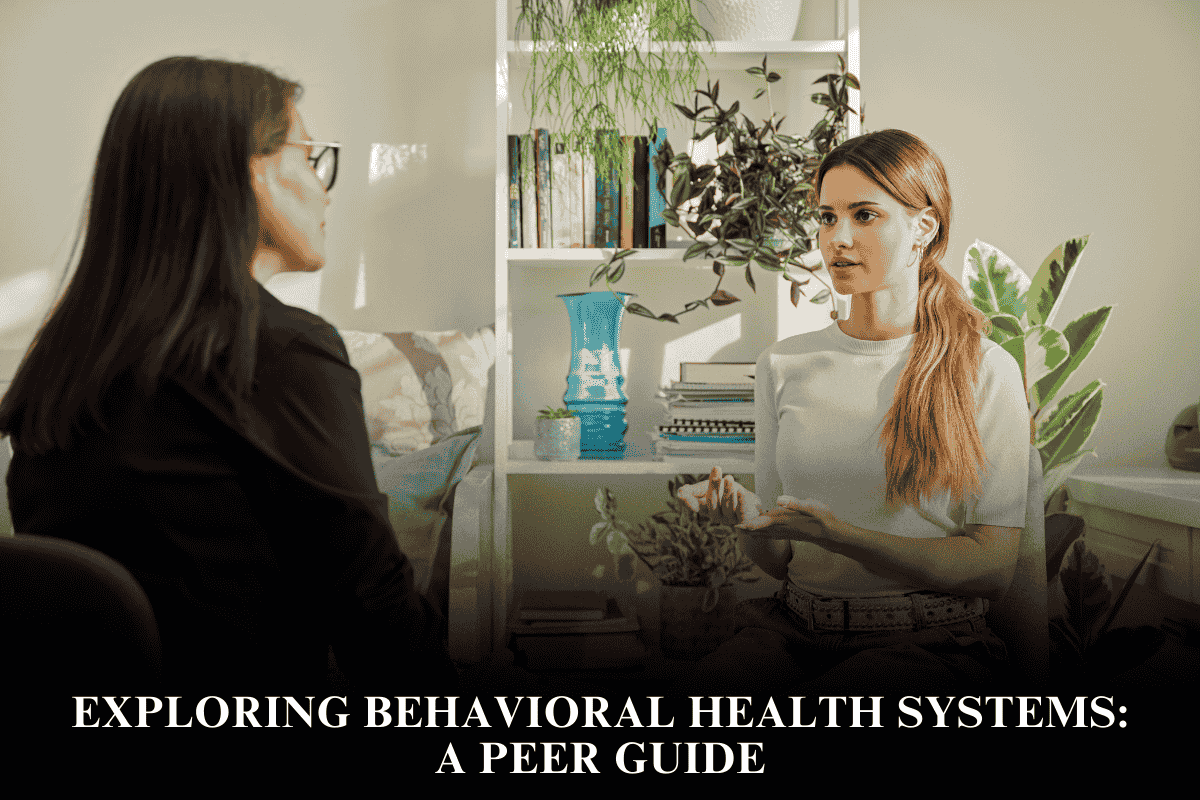
Creating meaningful peer interaction starts with thoughtful design—both physical and digital. Consider a coworking facility in Seattle, where open lounge areas blend seamlessly with breakout rooms.
The mix of seating types, warm lighting, and community tables fosters “soft edges,” where spontaneous interaction feels natural.
The same applies online. In a Slack community for marketers in San Francisco, channels that balance structured prompts (“What’s your biggest challenge this week?”) with casual hangouts (“Coffee break chat”) spark both deep discussions and easy camaraderie.
Statistics show that teams holding peer-led sessions monthly experience 30% higher engagement and 25% more knowledge sharing than those that don’t—proof that design fuels connection.
City Examples: Localizing the Connection
Austin, Texas
In Austin’s thriving startup scene, peer meetups take place in co-living lofts, rooftop gardens, and converted warehouses. These “peer roundtables” combine relaxed conversation with structured problem-solving. About 65% of attendees report leaving with one new idea and one new contact.
Portland, Oregon
Portland’s neighborhood centers host weekly “peer craft nights” where locals share skills like ceramics or podcasting. What starts as guided learning often transforms into story-sharing and friendship-building—a true community incubator.
Chicago, Illinois
In Chicago’s business districts, mid-career professionals gather for “peer exchange” dinners, designed around equal participation and rotating seats. Attendance has risen by nearly 20% year-over-year, underscoring the hunger for real connection in corporate spaces.
Measuring Success and Continuous Improvement
To know if a peer space truly works, track key performance indicators (KPIs): participation rates, retention, and cross-peer collaborations.
For example, a Denver peer network saw monthly attendance rise from 80 to 110 within six months after adding open-ended “What’s trending?” sessions. Participants also reported a 40% boost in perceived value.
Feedback loops are vital. Ask attendees what encourages connection and what doesn’t. Maybe lighting was too harsh, or the virtual platform lacked breakout rooms. Keep iterating—while pizza nights attract people, peer-led mini-workshops sustain engagement and long-term value.
Building spaces for authentic peer connection isn’t about filling rooms—it’s about fostering belonging. Whether in Austin, Portland, or Chicago, the formula is clear: design for interaction, nurture both casual and deep sharing, localize to your community, and measure what matters.
When done right, peer spaces evolve into ecosystems of collaboration and care. Peers don’t just show up—they engage, grow, and stay. Together, they weave a network of connection that stretches far beyond one meeting or one city.
FAQs
1. Why are peer connections so powerful in today’s digital world?
They provide emotional grounding, shared learning, and mutual support that technology alone can’t replicate.
2. How can organizations encourage peer interaction?
By designing intentional spaces—both physical and virtual—that promote casual encounters and structured collaboration.
3. What are the key benefits of peer-led sessions?
Higher engagement, increased creativity, and stronger knowledge sharing across teams or communities.
4. How do you measure the success of a peer network?
Track participation, retention, feedback, and collaboration metrics over time to gauge community health.
5. What makes local examples like Austin or Portland stand out?
They combine creativity, community spirit, and thoughtful design to turn everyday gatherings into meaningful, lasting connections.