Connecting with systems of care through effective peer integration is a key strategy for improving health outcomes, particularly for underserved and marginalized communities. Peers, individuals with lived experience relevant to specific health or social challenges, act as vital bridges between formal healthcare systems and the communities they serve. Their unique roles contribute to trust-building, navigation, emotional support, and advocacy, leading to more equitable, coordinated, and person-centered care.
The Role of Peers in Systems of Care
Peers offer experiential knowledge and cultural understanding that complement professional healthcare, addressing gaps in care often experienced by vulnerable populations. By sharing their own journeys, peers create relatable support networks, encouraging engagement in services and adherence to care plans. Their involvement reduces stigma, promotes empowerment, and enhances motivation for health-promoting behaviors.
Strategies for Effective Peer Integration
1. Defining Clear Peer Roles and Pathways
Successful integration requires clarity on peers’ roles within the healthcare ecosystem. This includes peer support, navigation, outreach, education, and advocacy. Establishing pathways for peer involvement in various settings—clinics, hospitals, community organizations—ensures their contributions align with care goals and system workflows, enabling effective collaboration between peers and professionals.
2. Training and Support Structures
Providing comprehensive training equips peers with essential skills such as communication, confidentiality, trauma-informed care, and system navigation. Ongoing supervision and professional development foster confidence and resilience, preventing burnout and enhancing the quality of support provided to clients.
3. Building Trust and Collaborative Relationships
Peers excel in building trust with community members, but successful system integration also depends on fostering mutual respect with healthcare providers. Structured collaboration models, including joint team meetings and shared decision-making, encourage peers and professionals to view each other as complementary partners focused on holistic patient care.
4. Utilizing Conceptual Frameworks and Evidence
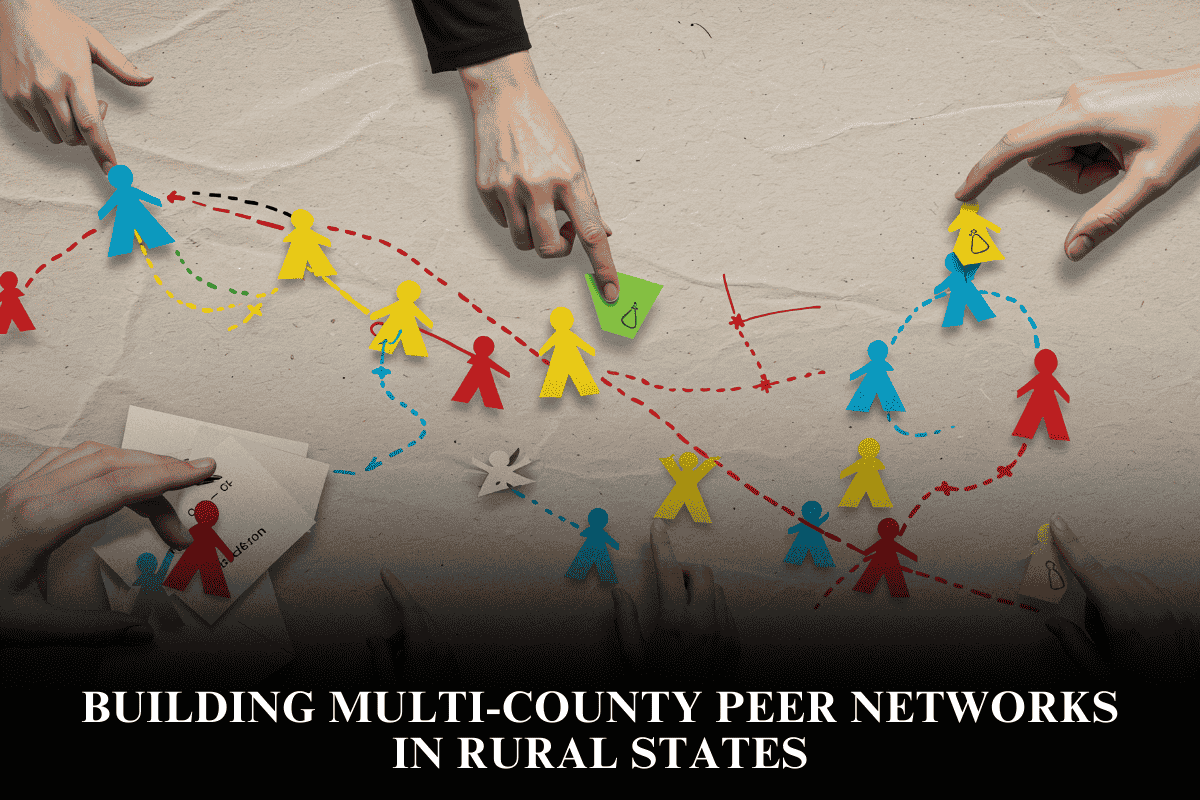
Conceptual maps and knowledge synthesis projects help health systems understand the multifaceted nature of peer support. Such tools highlight peers’ diverse functions, strategies for engagement, and the shared goals of improving health equity and service coordination. Evidence-based frameworks guide implementation, evaluation, and continual refinement of peer programs.
5. Addressing Systemic Barriers and Equity
Peer integration is most impactful when it explicitly aims to reduce health inequities by addressing systemic barriers such as mistrust, discrimination, and fragmented care. Peers advocate for culturally sensitive approaches and community participation, aligning with broader health promotion principles that emphasize social determinants of health.
Benefits of Peer Integration
- Enhanced patient engagement and adherence to treatment
- Improved mental health and chronic disease management outcomes
- Stronger community-healthcare system linkage and navigation
- Reduction in healthcare disparities and improved equity
- Increased patient satisfaction and empowerment
FAQ
Who are peers in healthcare settings?
Individuals with lived experience who provide support, advocacy, and bridge gaps between patients and healthcare systems.
How do peers improve care outcomes?
By building trust, providing emotional support, facilitating navigation, and advocating for underserved populations.
What training do peers receive?
Training in communication, confidentiality, system knowledge, trauma-informed care, and ongoing professional development.
How can health systems support peer integration?
By defining roles, fostering collaboration, providing training, and removing systemic barriers to equity.
Why is peer integration important for marginalized communities?
Peers address unique cultural and social challenges that influence healthcare access and outcomes, promoting equity.