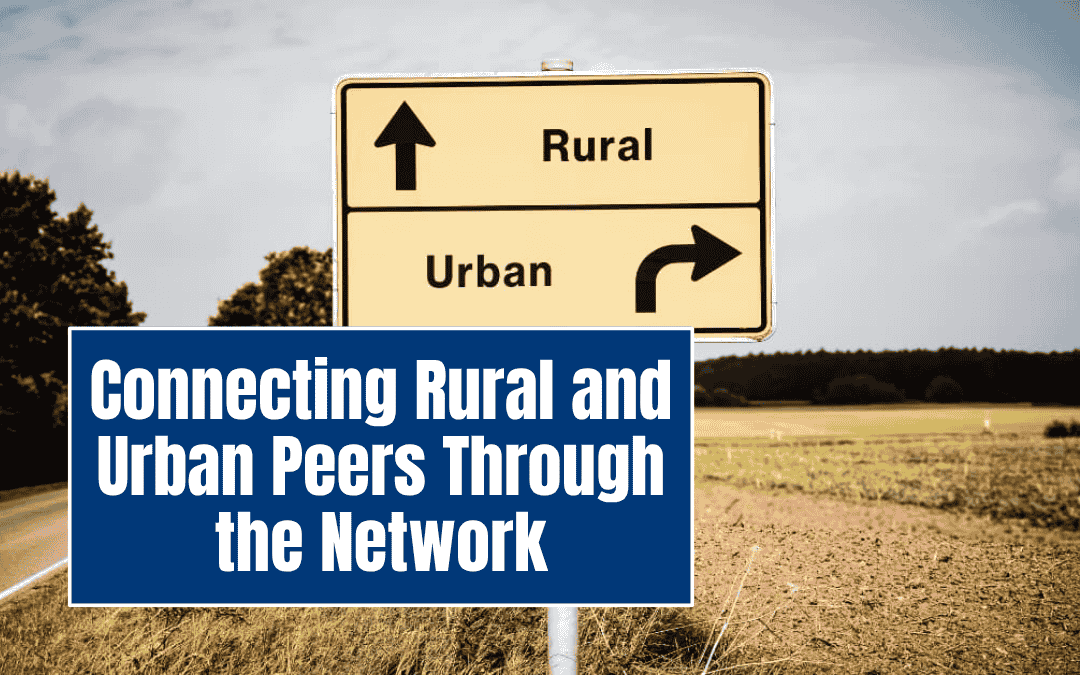
In many ways, the United States is a patchwork of landscapes, communities, and lifestyles. From the bustling streets of Des Moines, Iowa to the rolling cornfields of rural Story County, the gulf between urban and rural peer experiences is both wide and often overlooked.
Yet the heart of meaningful change often lies in human connection—and that’s precisely the mission of the Iowa Peer Network.
By bringing together individuals from diverse backgrounds and geographies, this initiative is rewriting the narrative of isolation, fostering mutual understanding, and laying the groundwork for a more inclusive peer support ecosystem across the state.
Reimagining Peer Support Beyond City Limits
Peer support isn’t just about meeting someone who’s “been there”—it’s about building a relationship grounded in trust, empathy, and shared experience.
Historically, urban centers like Cedar Rapids, Davenport, or Sioux City have had greater access to peer support resources thanks to higher population densities and infrastructure.
Rural Iowa counties, however, often face challenges like long travel distances, fewer providers, and less community infrastructure.
The Iowa Peer Network is creating a bridge by connecting peers across zip codes, enabling someone in a township near Mason City to benefit from virtual or in-person connections with peers in the metro area of Des Moines.
Through online platforms and local meetups, rural participants can now access peer groups once available only in urban centers. At the same time, urban members gain deeper insights by hearing first-hand what life outside the city looks like—where resources may be fewer, but resilience runs deep.
These exchanges build empathy and reinforce the idea that no one in Iowa’s recovery community stands alone.
Building a Two-Way Street of Understanding
Consider a peer from a suburb of Omaha joining a group discussion that includes someone from rural Iowa.
The urban participant might describe convenient access to public transportation and therapy sessions, while the rural peer shares about driving 40 miles to attend a weekly group or struggling with broadband access for telehealth.
The exchange isn’t about comparing hardships—it’s about understanding that recovery looks different depending on geography.
A cornerstone of the network’s success is its “peer partner” match-up model, where rural and urban participants are paired for recurring check-ins.
For instance, someone from West Des Moines might be matched with a peer in Iowa Falls or Clarion, sharing phone calls twice a month and meeting quarterly in person.
These partnerships create empathy, connection, and a shared sense of purpose that transcends distance.
Harnessing Technology, Cultivating Local Roots
In Iowa, where nearly 35 percent of residents live outside metropolitan regions, technology is not a luxury—it’s a lifeline. The Iowa Peer Network leverages secure video calls, mobile apps, and online communities to ensure access across every corner of the state.
But the network doesn’t stop at virtual interaction; it combines technology with local gatherings hosted in libraries, coffee shops, and community centers in towns like Fairfield, Pella, and Ames.
At one gathering in Ames, participants from both rural and urban areas came together to share stories and strategies. A farmer from Polk County talked about balancing mental health with the pressures of planting season.
A college student from Iowa City spoke about the isolation of campus life despite being surrounded by people. Their conversation—filled with laughter, empathy, and shared resilience—embodied the spirit of the network: authentic connection across divides.
Measuring Impact and Looking Ahead
The Iowa Peer Network’s data tells a story of success. Rural participants engaged through hybrid models (combining online and local meetings) report 40 percent higher engagement than those using virtual-only formats.
Urban peers report greater understanding of rural barriers, helping them become more effective allies and supporters. Most importantly, participants statewide consistently report feeling less isolated—a critical factor in improving mental health and recovery outcomes.
Looking forward, the Iowa Peer Network aims to expand to more counties, partnering with local clinics in places like Council Bluffs and Dubuque, and providing advanced training for rural-urban peer mentors.
The long-term goal is to create a ripple effect of connection—empowered individuals who support one another and build stronger, more cohesive communities across the state.
Shared Ground, Shared Growth
In a time when disconnection feels like the norm, the Iowa Peer Network stands as proof that connection can thrive anywhere. By intentionally pairing rural and urban peers, blending technology with real-world meetups, and valuing every story equally, the network is transforming the landscape of peer support.
From Des Moines to Creston, Cedar Rapids to Ossian, people are finding shared ground and genuine belonging. Whether someone looks out at city lights or across open fields, the most powerful bond remains the same—being seen, heard, and supported by someone who truly understands. That’s where real transformation begins.
FAQs
1. What is the Iowa Peer Network?
The Iowa Peer Network is a statewide initiative designed to connect individuals with lived experience in recovery across rural and urban communities through training, peer partnerships, and technology.
2. How does the network connect rural and urban peers?
By using virtual tools, statewide events, and one-on-one “peer partner” match-ups that foster consistent communication and shared understanding across different parts of Iowa.
3. What benefits have participants experienced?
Participants report lower feelings of isolation, stronger engagement in recovery, greater empathy across communities, and improved emotional resilience.
4. Why is rural-urban collaboration important in peer support?
It ensures equitable access to resources, builds mutual understanding, and helps both groups learn from each other’s unique challenges and strengths.
5. What’s next for the Iowa Peer Network?
Expansion into more counties, increased mentorship programs, and stronger collaboration with community health centers to make peer support accessible to every Iowan.