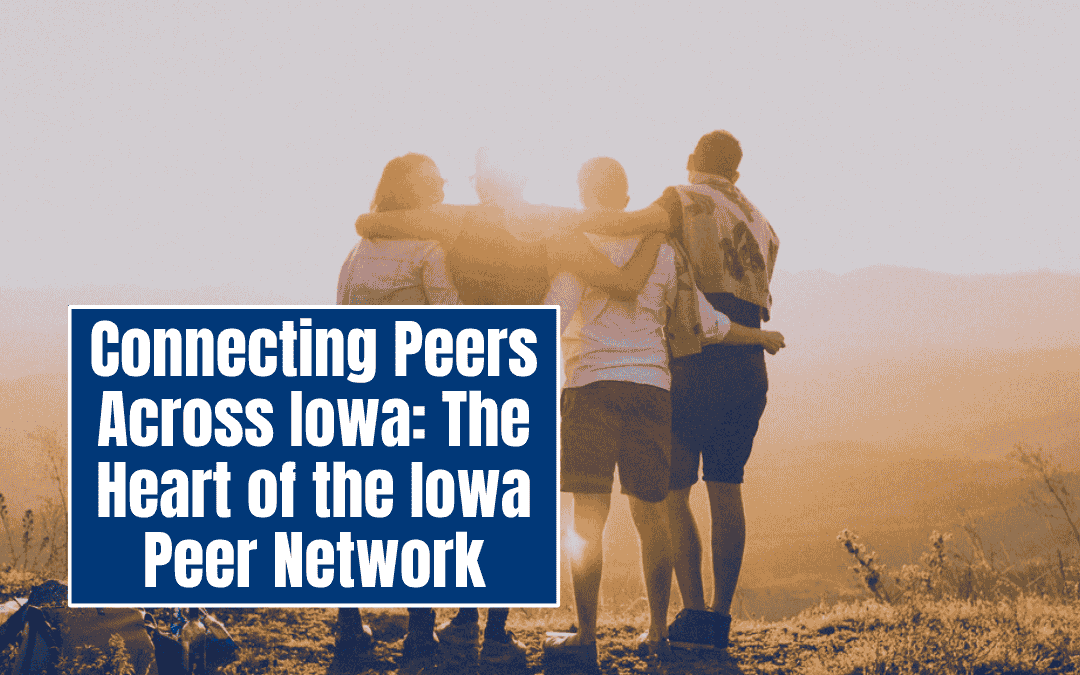
When people picture Iowa, they often imagine endless fields of corn, wind turbines spinning on the horizon, and warm midwestern smiles. But beneath that peaceful surface lies a growing movement—one built on empathy, resilience, and shared experience: the Iowa Peer Network.
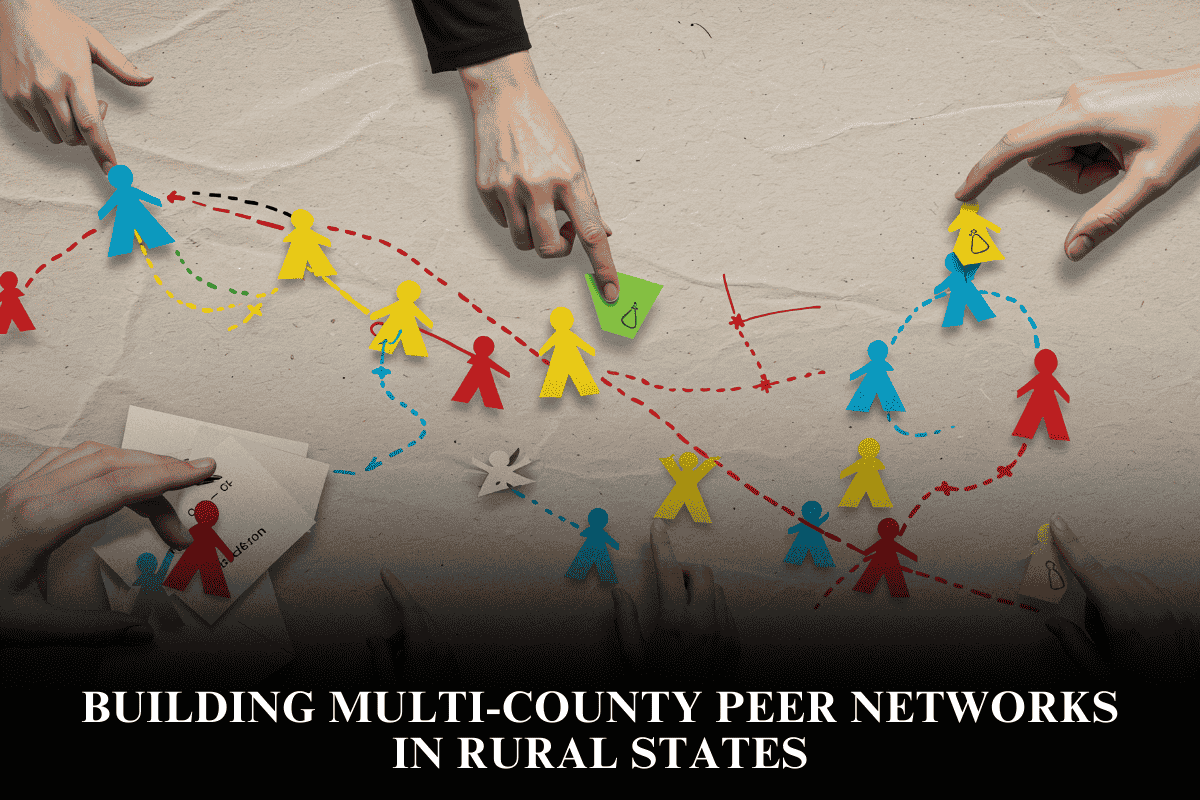
In a state of three million residents stretched across 99 counties, this network bridges isolation and distance. From Muscatine to Clinton, where access to professional mental health care can be scarce, peers step up. They offer understanding, not judgment—listening as equals who have “been there.”
In Des Moines, groups gather in coffee shops, churches, and online spaces. With hundreds of thousands in the metro area, the need for connection runs deep. These small circles of support are creating ripples—turning individual recovery into collective strength.
Peer Power in Middle-America Towns
Cedar Rapids, Iowa’s second-largest city, has long embodied the spirit of community. After the devastating 2008 floods, residents came together to rebuild—and the seeds of peer collaboration took root. Today, that same solidarity drives mental health and wellness initiatives.
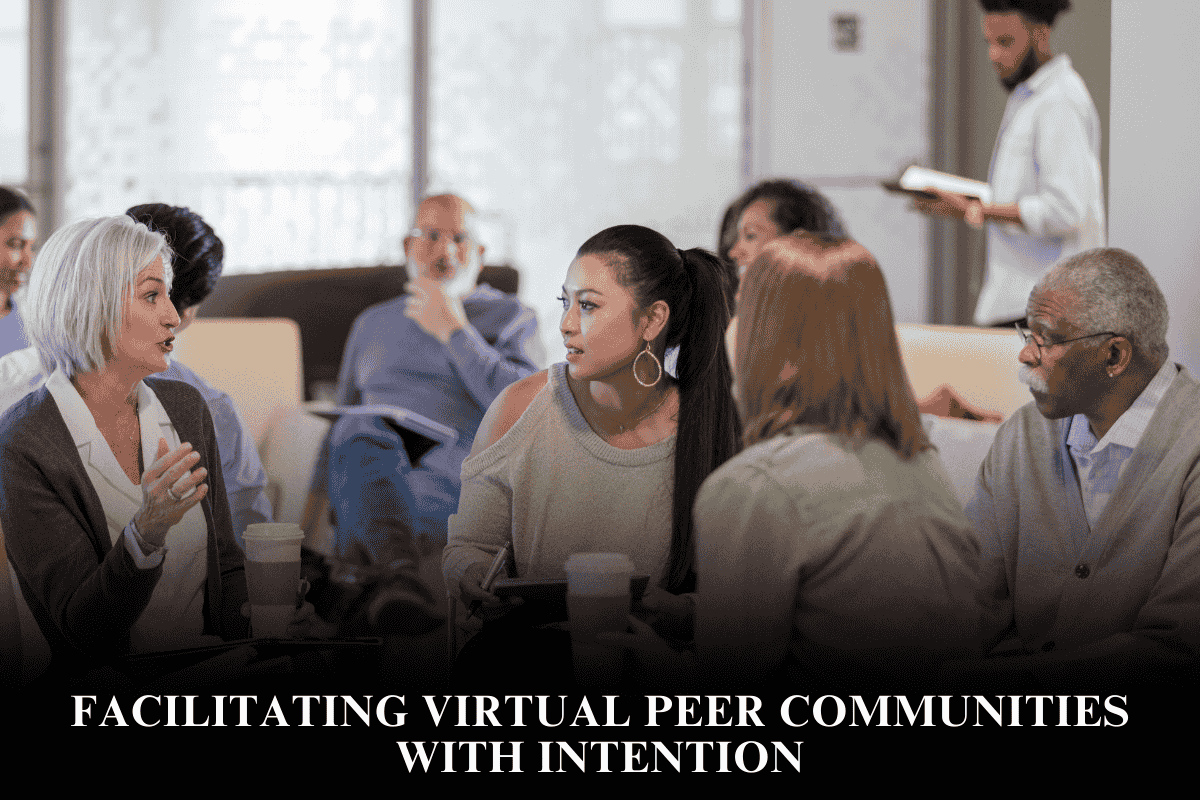
Across smaller towns like Spencer, Fort Dodge, and Creston, where resources can be hours away, technology fills the gap. Online and telephone check-ins allow people to connect and share coping strategies.
According to statewide surveys, nearly 60% of participants report greater confidence in managing their health within just six months of joining the peer network.
Even in remote corners of northwest Iowa, where winter isolation can weigh heavy, virtual peer groups provide a lifeline of connection and hope.
Collaboration That Fuels Growth
The Iowa Peer Network’s strength comes from collaboration. Regional hubs in Sioux City, Davenport, and other key cities coordinate local chapters, training programs, and awareness campaigns. By partnering with hospitals, veteran organizations, and youth services, the network trains hundreds of new peer specialists each year.
The impact goes beyond emotional support. Among those engaged in peer-led recovery for substance use, data shows a 42% drop in emergency department visits over a single year. Employment outcomes also improved—unemployment among participants fell to around 7%, closing the gap with the statewide average.
These outcomes highlight what happens when compassion meets structure—real, measurable change.
Cultivating Culture and Community
The heart of the Iowa Peer Network beats in its inclusivity. Programs across Ames, Council Bluffs, and Sioux Center bring peer support into schools, correctional facilities, and senior centers. From college students in Iowa City to farmers near Estherville, everyone finds a place to belong.
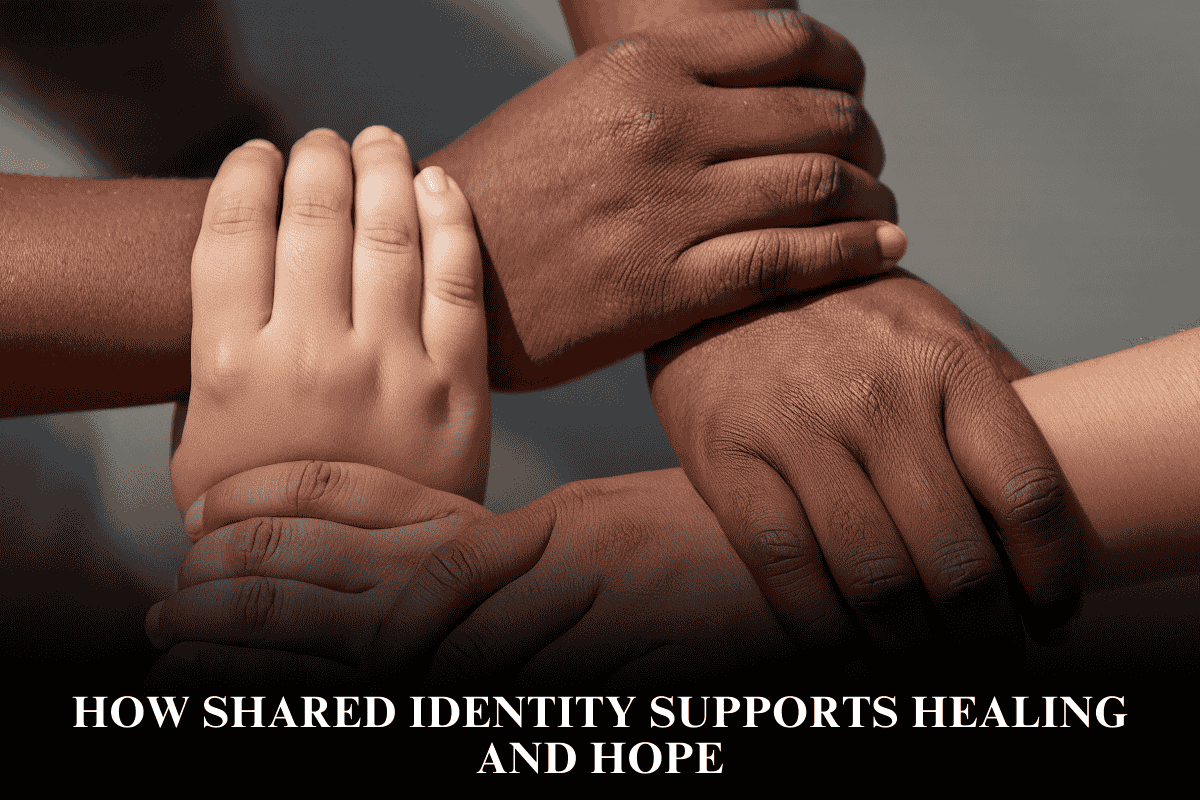
Storytelling circles in Mason City and Ottumwa empower individuals to share their journeys. These stories don’t just heal—they inspire. They transform “I’ve been there” into “We’ve been there together.” Through storytelling, Iowans are not just finding their voices—they’re finding each other.
A Movement Rooted in Connection
From Des Moines to Davenport, and every county in between, the Iowa Peer Network is redefining community care. It’s not about hierarchy—it’s about humanity. Through shared experiences, people across Iowa are proving that healing doesn’t have to be solitary.
In the heartland of America, the real revolution isn’t loud—it’s compassionate, grassroots, and peer-powered.
FAQs
1. What is the Iowa Peer Network?
The Iowa Peer Network is a statewide initiative connecting people with lived experience in mental health or recovery, offering mutual support and community-based wellness programs.
2. Who can participate in the Iowa Peer Network?
Anyone who values shared experience and wants to give or receive support—whether recovering from mental health challenges, substance use, or life transitions.
3. How can someone join a peer group in Iowa?
Groups are available through local community centers, churches, or online platforms. Many regional hubs in Des Moines, Cedar Rapids, and Davenport offer information sessions and training.
4. What kind of impact has the network made?
Studies and local reports show reduced hospital visits, higher employment rates, and significant improvements in participants’ emotional well-being and sense of belonging.
5. Why is peer support so effective?
Because it’s built on empathy. When someone says, “I’ve been there,” it bridges understanding in ways professional treatment alone sometimes can’t.