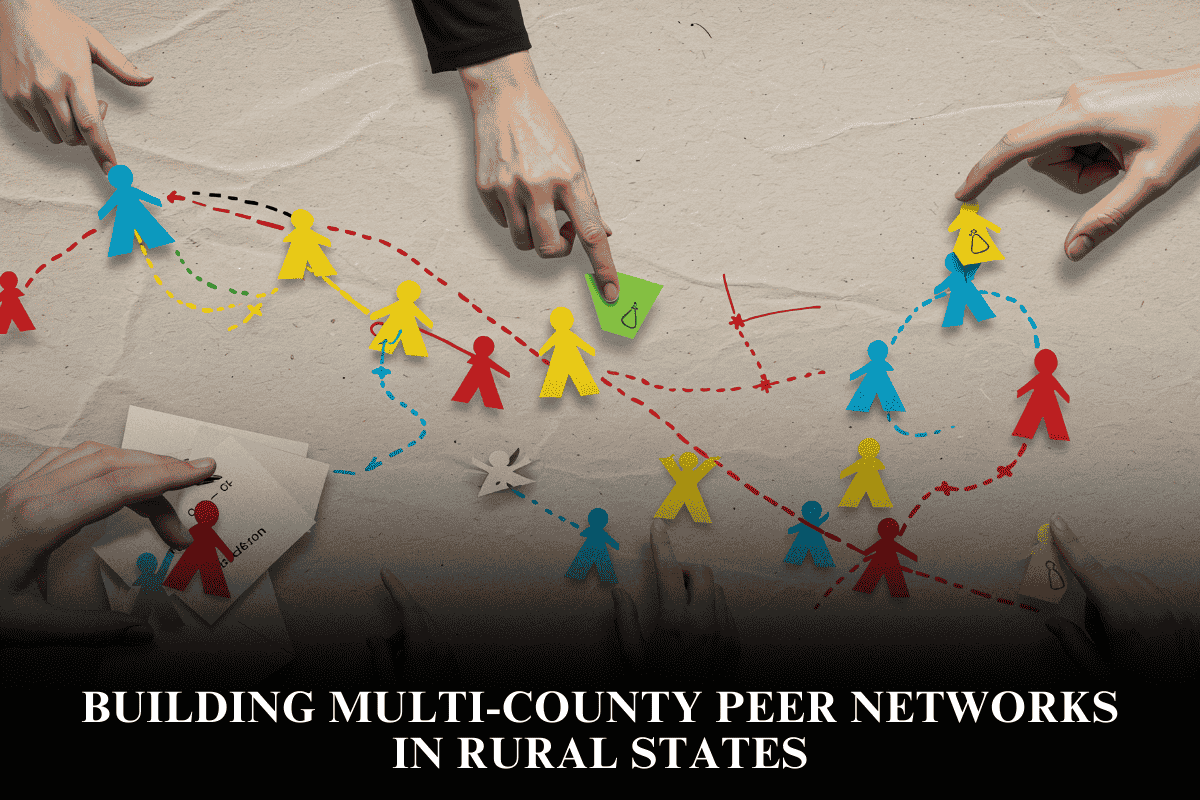
Trust is the foundation of effective peer-to-peer relationships, central to creating a safe and supportive environment where individuals feel valued, understood, and empowered. In peer support, trust enables open communication, emotional vulnerability, and genuine connection, all of which are critical for recovery, growth, and mutual aid.
What is Trust in Peer Support?
Trust in peer support is a confident reliance on the integrity, confidentiality, and respect offered by the other person. It means believing that shared experiences and sensitive information are treated with care and that one’s feelings and perspectives will be honored without judgment.
Why is Trust Essential?
Trust fosters a secure space where peers can share honestly and openly without fear of stigma or betrayal. It reduces feelings of isolation and encourages authentic engagement, making peer interactions meaningful and impactful. For peer groups, trust underpins collective support and the formation of lasting friendships.
How to Build Trust in Peer Relationships
- Active Listening: Create an environment that encourages attentive and respectful listening, validating each person’s experiences.
- Confidentiality: Uphold strict privacy and ensure shared details remain in confidence.
- Non-Judgmental Attitude: Avoid judgment or criticism; foster acceptance of diverse feelings and viewpoints.
- Consistency and Boundaries: Set clear expectations and maintain boundaries to build reliability and respect.
- Empathy and Equality: Demonstrate understanding through empathy, and treat peers as equals, honoring their autonomy and voices.
- Vulnerability: Share appropriate personal experiences to deepen connection while respecting limits.
- Safe Space: Offer a welcoming, private, and comfortable setting conducive to open sharing.
- Respect for Pace: Let peers lead the pace and depth of sharing to ensure they feel in control and safe throughout the process.
Role of Peer Support Leaders
Leaders and facilitators play a key role in modeling trust-building behaviors, enforcing group agreements, and ensuring the environment remains supportive and safe for all members.
FAQs
Q1: Why is trust so important in peer support relationships?
A1: Because it allows people to share openly without fear, fostering honesty, connection, and mutual support that is vital for healing and growth.
Q2: How can peers establish trust when they first meet?
A2: By creating a welcoming environment, practicing active listening, respecting boundaries, and maintaining confidentiality from the outset.
Q3: What are common barriers to trust in peer relationships?
A3: Past negative experiences, unmet expectations, breaches of confidentiality, judgmental attitudes, or lack of consistency in communication can impede trust.
Q4: How can peer supporters maintain trust long-term?
A4: Through consistent respect, honoring confidentiality, empathy, clear boundaries, and continual encouragement of open communication.
Q5: Can trust be rebuilt if broken?
A5: Yes, but it requires honest communication, accountability, patience, and renewed commitment to the relationship’s core values.