In bustling cities like Des Moines and Cedar Rapids, individuals seeking connection and support often crave something beyond traditional services—something personal, vibrant, and real. That’s where the Iowa Peer Network steps in.
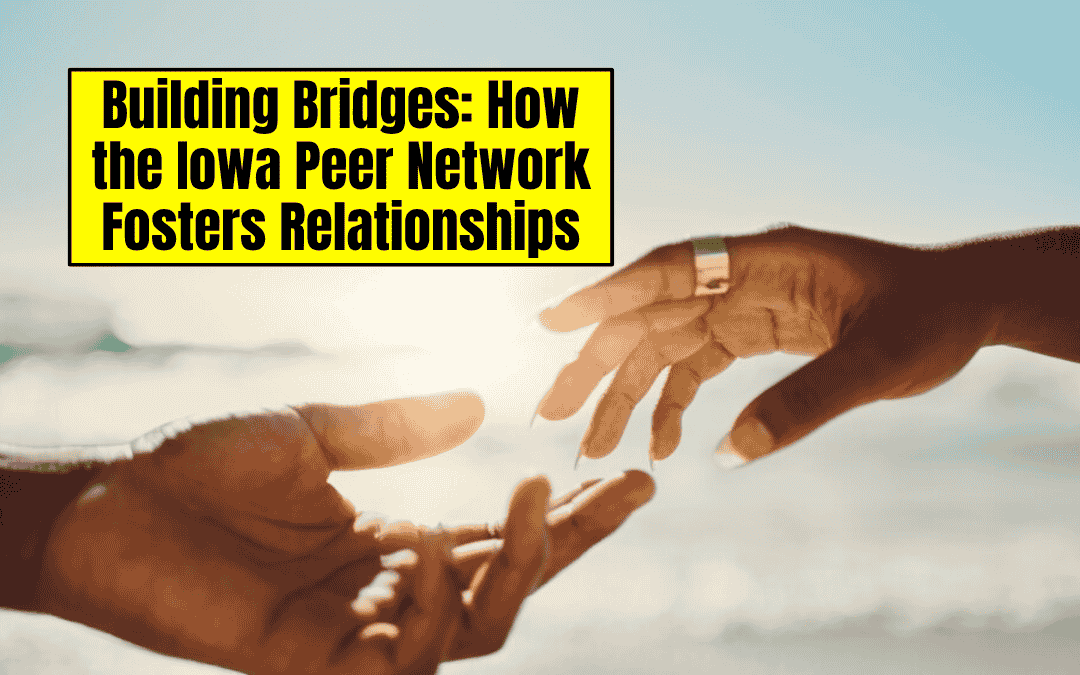
Rooted in genuine human connection, it’s not simply an organization; it’s a community cultivated to help people build bridges between their past, present, and future.
Through shared experiences, mutual encouragement, and the power of peer relationships, the network is helping thousands throughout the state foster meaningful bonds that ripple out into homes, workplaces, and neighborhoods across America.
A Fresh Approach to Support and Connection
In today’s fast-paced world, loneliness and disconnection can sneak in quietly—even in cities like Iowa City and Davenport. According to recent surveys, nearly one in four adults report feeling isolated at least some of the time.
The Iowa Peer Network recognizes that professional help is vital, but so is peer support—the notion that someone who’s walked a similar path can offer not just empathy, but insight and encouragement.
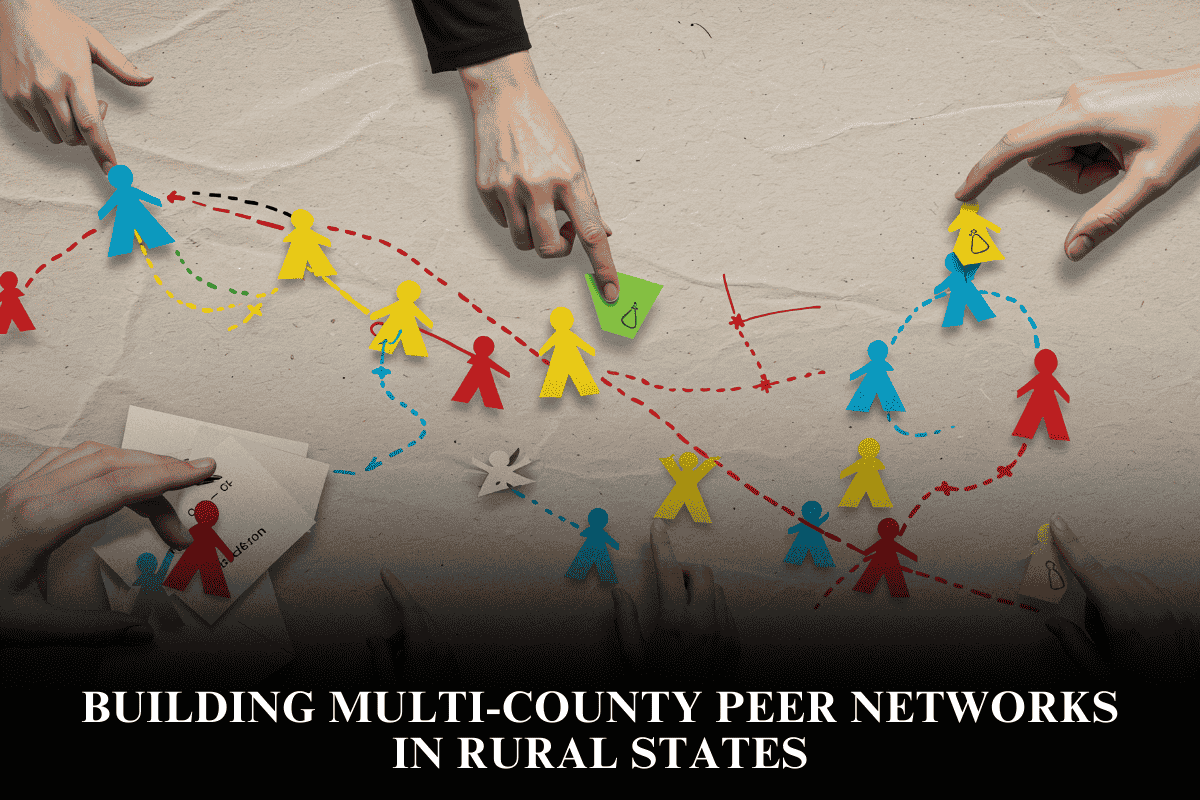
Across the state, the network organizes events, group meetings, informal peer-to-peer circles, and digital platforms connecting individuals in towns such as Ames, Waterloo, and Sioux City. The emphasis is on building relationships.
It might be over a coffee in a quiet Des Moines café, a guided walk along the Cedar Lake trails, or a virtual chat with someone across the state. These connections often prove transformational; participants report feeling more engaged in their daily lives, better understood, and motivated to move forward.
Strengthening Bonds Through Shared Experiences
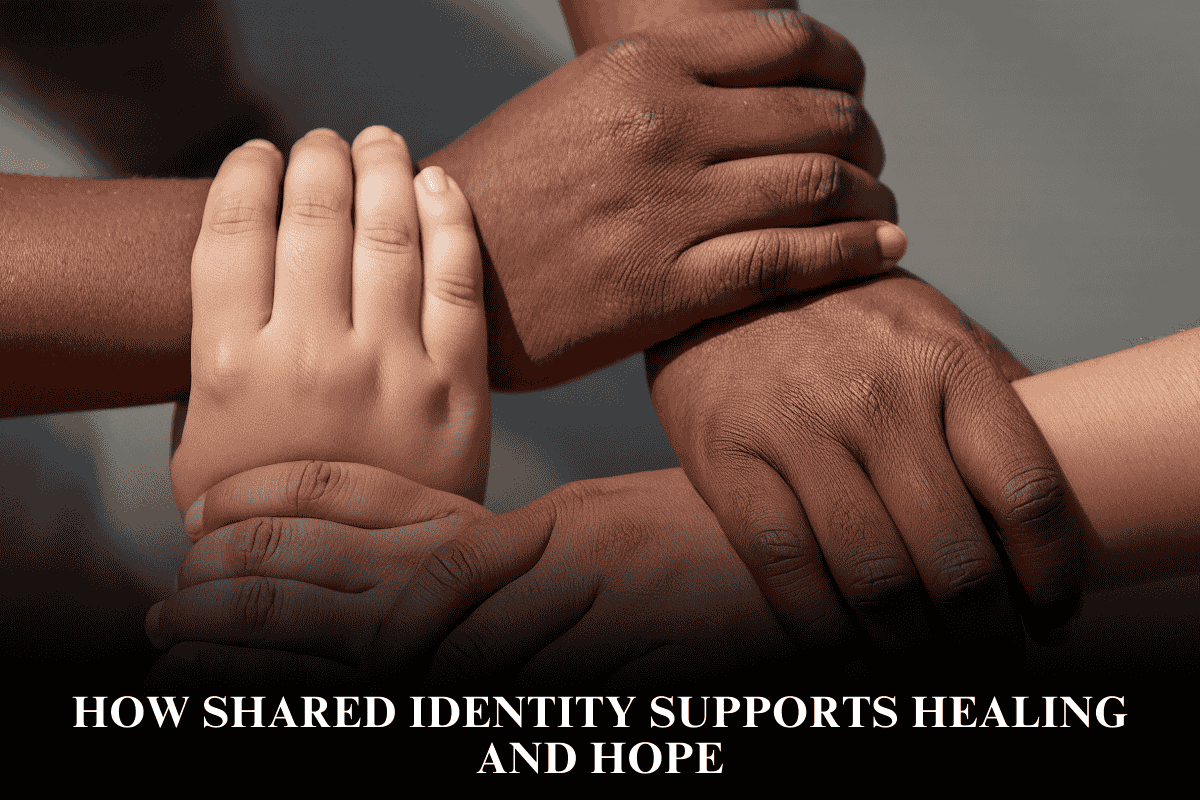
One of the network’s central philosophies is this: shared experience is a powerful form of bonding. For example, someone in Dubuque who has navigated mental-health challenges may connect with another in Council Bluffs who’s facing similar issues.
Through facilitated sessions, they share stories, coping strategies, and the simple comfort of knowing they’re not alone. Over time, these interactions become the foundation for strong peer relationships.
What began as single touchpoints evolve into ongoing friendships and accountability partnerships. The impact is measurable. In structured programs, up to 70 percent of participating peers report improved social connectedness within six months.
In informal settings, even more participants say they feel “less isolated” and “more hopeful.” For small towns like Ottumwa or Fairfield, this means that even residents in rural Iowa benefit from the same supportive peers as their counterparts in metro areas. The network’s digital tools ensure geography isn’t a barrier.
Bridging Gaps Across Generations and Communities
The Iowa Peer Network doesn’t limit itself to a specific age group or demographic. High-school graduates in Cedar Falls exploring life after school, veterans settling near Fort Dodge, individuals reentering the workforce in Mason City, and older adults in Council Bluffs—everyone finds a place.
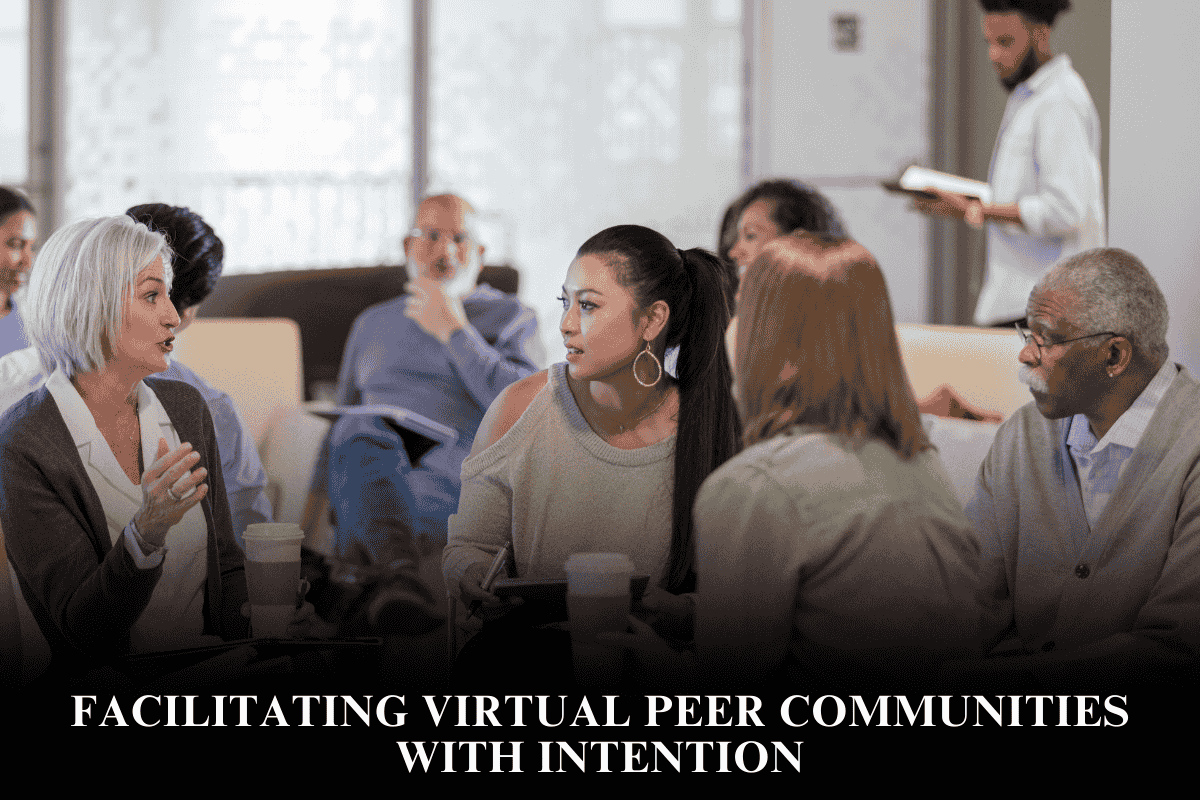
This diversity enriches each peer group, as younger and older voices share unique perspectives. For instance, in a peer circle meeting in Sioux City, participants aged 18–25 and those aged 55+ sit together.
Younger members bring energy, tech-savviness, and fresh viewpoints; older members contribute wisdom, lived experience, and calmer presence. The result is creative synergy and a broader sense of community.
The network hosts topic-based gatherings—job transition, healthy living, family relationships—and participants from Cedar Rapids to Storm Lake join virtually or in person.
Multiple studies of peer support systems indicate that such diversity not only enhances personal growth but also builds cross-community bridges, nurturing understanding between urban and rural, generational and cultural groups.
Creating Lasting Change One Connection at a Time
Perhaps the most compelling outcome of the Iowa Peer Network is that the relationships formed are sustainable. Beyond the initial organized meetings, many peers continue chatting weeks, months, even years later.
They show up for each other during job hunts, celebrate milestones like sobriety anniversaries, or simply check in when the weather turns cold or the holiday season hits. Because the network fosters authentic, voluntary relationships—not one-way mentoring—the dynamic is more balanced.
Peers support, challenge, and uplift one another in equal measure. In Des Moines, one participant described the network as “a living room of strangers who feel like family after two meetings.”
The ripple effect is real: as members feel more connected and supported, they engage in community volunteering, join local hobby groups, and bring newfound confidence into their neighborhoods.
Belonging in the Heartland
In a time when many feel disconnected despite being digitally linked, the Iowa Peer Network is a practical example of how bridging human relationships can make a tangible difference.
From urban hubs like Des Moines and Cedar Rapids to quieter corners like Mason City and Ottumwa, the network is building inclusive, empowering connections—one bridge at a time.
Whether you’re seeking support, looking to offer it, or just wanting to feel more connected, the network reminds us that belonging comes when people meet, listen, share, and grow—together. In the heartland of America, real relationships are blossoming, and the momentum is only building.
FAQs
1. What is the Iowa Peer Network?
The Iowa Peer Network is a statewide initiative dedicated to fostering authentic, peer-to-peer relationships that promote emotional well-being, growth, and community connection.
2. Who can join the Iowa Peer Network?
Anyone seeking connection and support—regardless of age, background, or location—can join. The network welcomes students, professionals, veterans, and seniors alike.
3. How does peer support differ from professional help?
Professional support focuses on clinical or structured therapy, while peer support emphasizes shared experiences and mutual understanding between individuals with similar life journeys.
4. Are the programs available statewide?
Yes. The network hosts both in-person and virtual sessions across Iowa, including cities like Des Moines, Cedar Rapids, Davenport, Ames, and rural areas.
5. What are the main benefits of joining the Iowa Peer Network?
Members report reduced feelings of isolation, improved social engagement, increased confidence, and stronger community connections that extend beyond the meetings themselves.