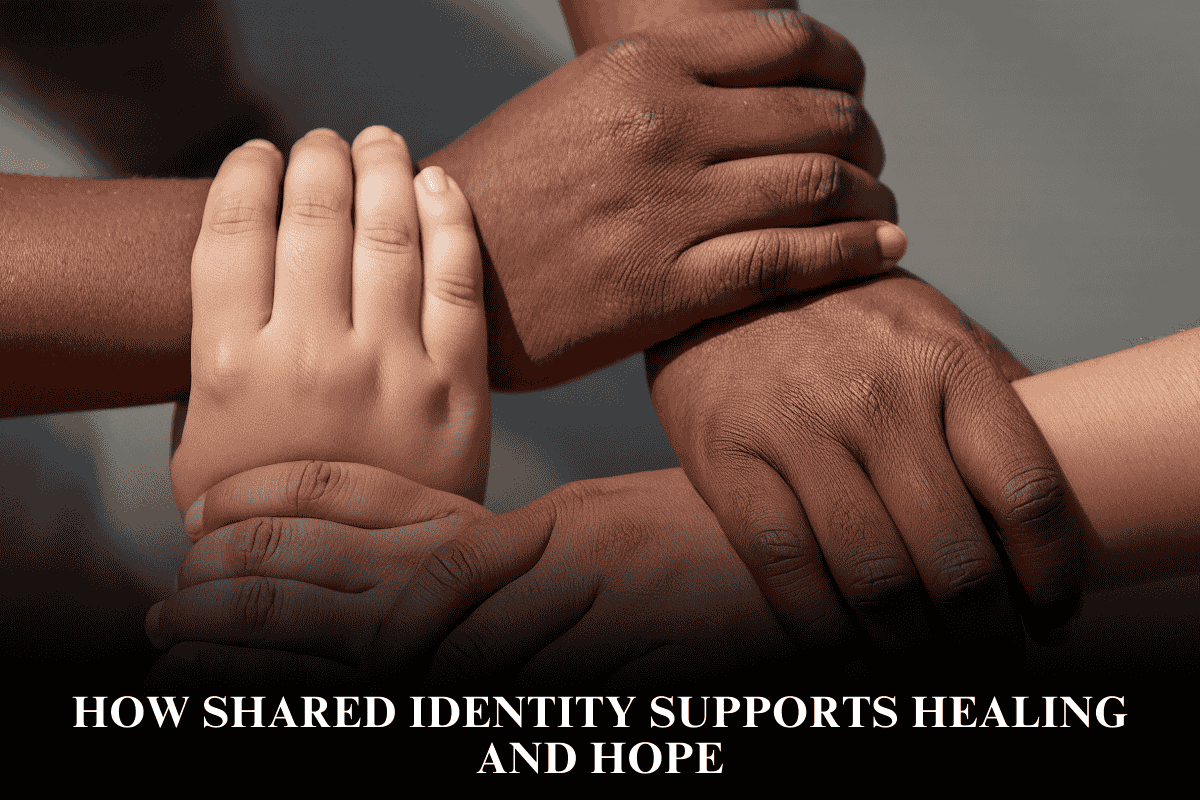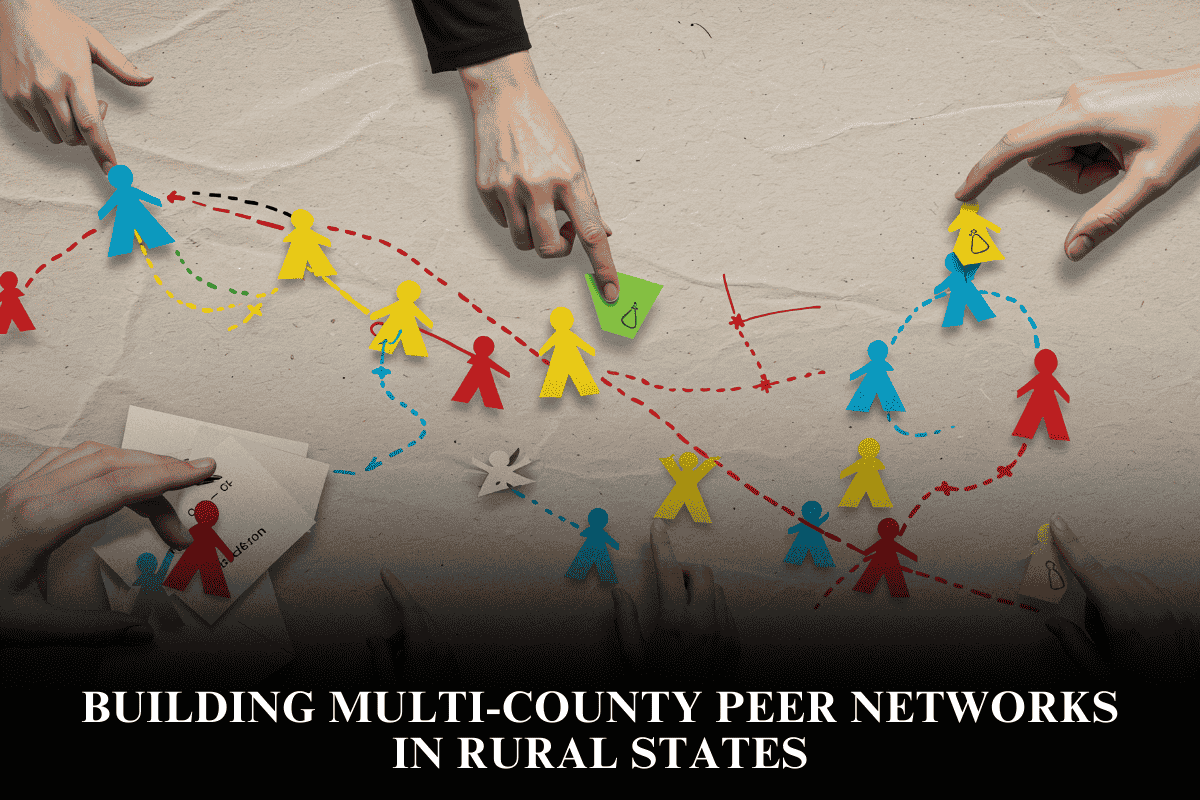
Peer leadership is gaining prominence as a powerful force in education, workplaces, and communities across the United States.
By empowering individuals to lead within their own social or professional circles, peer leadership promotes collaboration, accountability, and positive culture change.
This approach cultivates essential skills such as communication, empathy, and problem-solving while tapping into the influence peers have on each other’s behaviors and attitudes.
Peer Leadership Programs in Education
In schools and universities, peer leadership programs offer students opportunities to develop leadership competencies by mentoring, facilitating workshops, and leading initiatives. For example, the Peer Collective Leadership program unites student leaders to build a network of support.
Participants gain microcounseling skills and leadership experience, and those who complete the program are recognized with certificates and special honors.
Similarly, the iLead program provides values-based, peer-to-peer leadership training, emphasizing confidence, character, and community impact. Students apply their learning immediately through service projects that foster real-world leadership.
Benefits of Peer Leadership
Peer leadership creates environments of inclusivity, supports personal and academic growth, and enhances social-emotional skills.
Peer leaders often serve as role models and offer relatable guidance, which can be especially effective in addressing challenges like bullying, mental health, and academic stress.
Moreover, peer-led initiatives promote collective responsibility and empower students to take active roles in shaping their communities.
Developing Future Leaders
Programs like LEAP and Aspire Leaders emphasize responsible, authentic leadership aligned with personal values and social impact.
These initiatives combine workshops, peer learning groups, and mentorship to prepare emerging leaders to address complex societal challenges with empathy and strategic thinking.
Through such programs, future leaders are equipped to create positive change in diverse settings by fostering collaboration and resilience.
FAQs
What is peer leadership?
Peer leadership is a form of leadership where individuals guide and influence their peers within a community or organization. It leverages shared experiences and trust to promote positive behaviors and collective goals.
How do peer leadership programs benefit students?
They build confidence, communication, and problem-solving skills. Peer leaders support their peers through mentoring and workshops, fostering a safe and inclusive environment conducive to academic and social growth.
What types of activities do peer leaders engage in?
Activities range from facilitating workshops, mentoring younger students, organizing service projects, leading discussions, and creating initiatives to improve school culture and address social issues.
How can schools implement peer leadership programs?
Schools can start by identifying student leaders, providing leadership training workshops, fostering peer mentoring, and integrating peer leadership roles within classroom or extracurricular settings. Partnering with established programs like iLead or the Peer Collective Leadership can provide structure and resources.
Why is peer leadership important for future success?
Peer leadership nurtures essential life skills such as empathy, collaboration, and critical thinking. It empowers young people to become active, responsible citizens and better prepares them for leadership roles in education, careers, and communities.