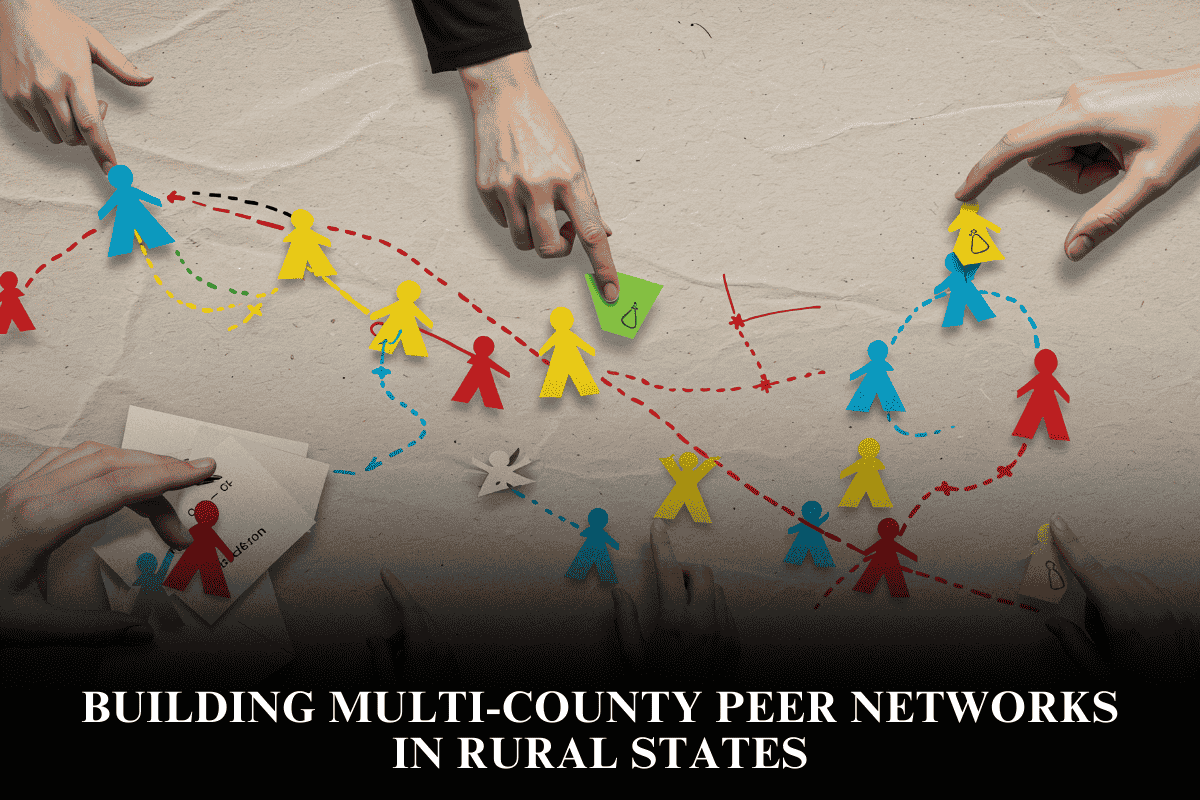
Building confidence in your peer identity and professional role is a vital process that supports both personal growth and effective participation within your field. Whether you are a healthcare worker, educator, or part of any professional community, developing a strong sense of identity aligns your skills, values, and responsibilities, empowering you to contribute authentically and confidently.
Understanding Professional Identity Formation
Professional identity is how you see yourself as a member of a professional community, shaped by your knowledge, skills, values, and relational experiences. It goes beyond what you do to who you are professionally. This evolving identity strengthens as you assume responsibilities, engage in peer interactions, and reflect on your experiences, making competence and confidence intertwined components of effective professional presence.
Role of Peers in Identity Development
Peers play a critical role as facilitators and mirrors during identity formation. Structured peer teaching, collaborative learning, and peer feedback provide opportunities to observe and practice professional behaviors, build communication skills, and negotiate authentic roles. Engaging with peers in formative assessments or learning activities nurtures self-awareness, motivation, and alignment with professional norms.
Strategies to Build Confidence in Peer and Professional Roles
1. Reflective Practice
Regular self-reflection on professional experiences, values, and challenges helps identify strengths and growth areas. Peer-led reflective groups or mentorship circles encourage sharing perspectives, normalizing vulnerabilities, and fostering resilience. Reflective writing, storytelling, and case discussions develop critical thinking and consolidate identity.
2. Mentorship and Guidance
Access to mentors who model professional behaviors and provide personalized feedback enhances confidence building. Mentorship programs offering safe spaces for discussion of concerns and learning pathways enable mentees to navigate role expectations and foster career development.
3. Active Participation and Responsibility
Taking on meaningful tasks aligned with your skill level within peer or professional communities bolsters competence. Progressive engagement, shifting from peripheral observation to active involvement, supports ownership of your professional journey and identity.
4. Collaborative Learning and Feedback
Engaging in team-based learning, peer assessments, and collaborative problem-solving promotes interaction with diverse perspectives. Constructive feedback received and offered within transparent, supportive settings strengthens skills and identity coherence.
5. Building Resilience and Self-Care
Professional identity is supported by coping with setbacks and stress. Training focused on emotional regulation, mindfulness, and work-life balance equips individuals to maintain well-being and sustained confidence.
Benefits of Strong Professional Identity
- Improved self-confidence and motivation
- Enhanced communication and teamwork skills
- Greater ethical awareness and integrity
- Increased career satisfaction and commitment
- Better ability to manage challenges and uncertainty
FAQ
What is professional identity?
It is the internalized sense of being a competent, ethical, and valued member of a professional community.
How do peers influence professional identity?
Peers provide feedback, role models, and collaborative learning contexts that shape behaviors and beliefs.
Why is reflection important in building confidence?
Reflection deepens self-awareness, helping align values and actions with professional standards.
What role does mentorship play?
Mentorship offers guidance, support, and constructive critique essential for personal and professional growth.
How can I enhance resilience during identity development?
Develop coping strategies, prioritize self-care, and engage with supportive networks to sustain confidence.