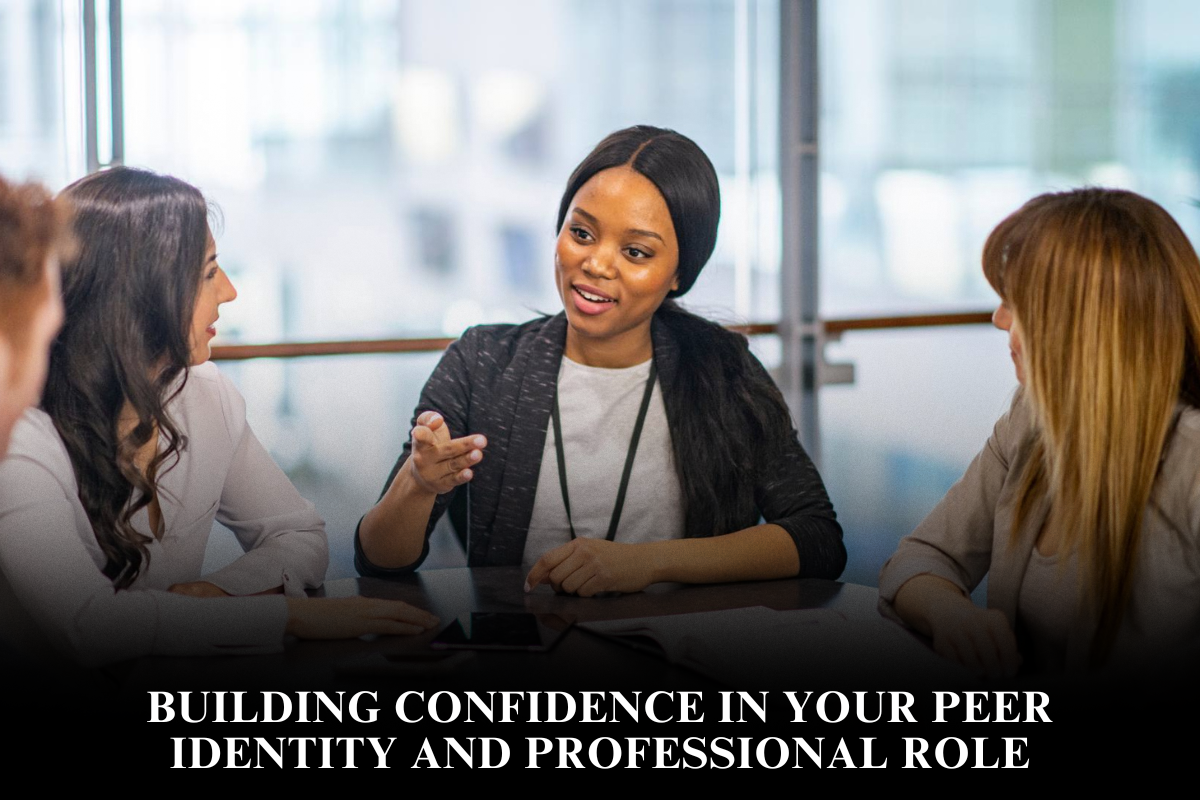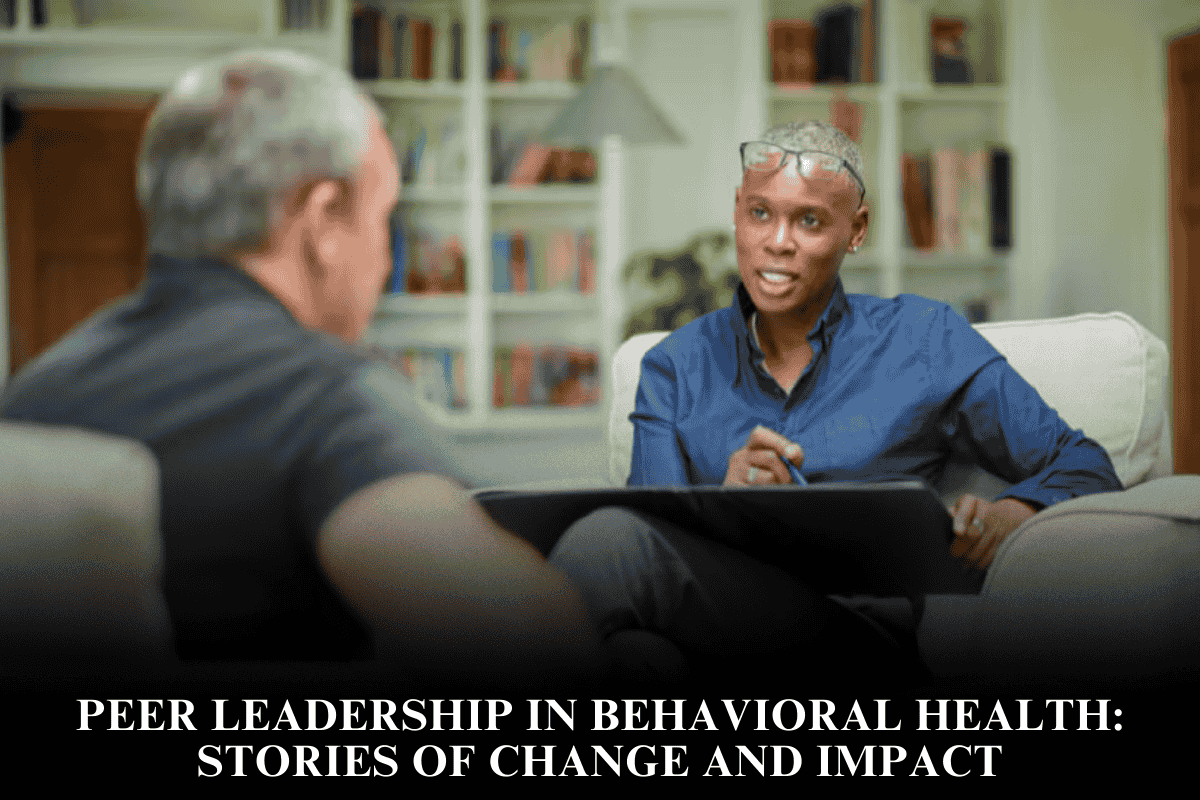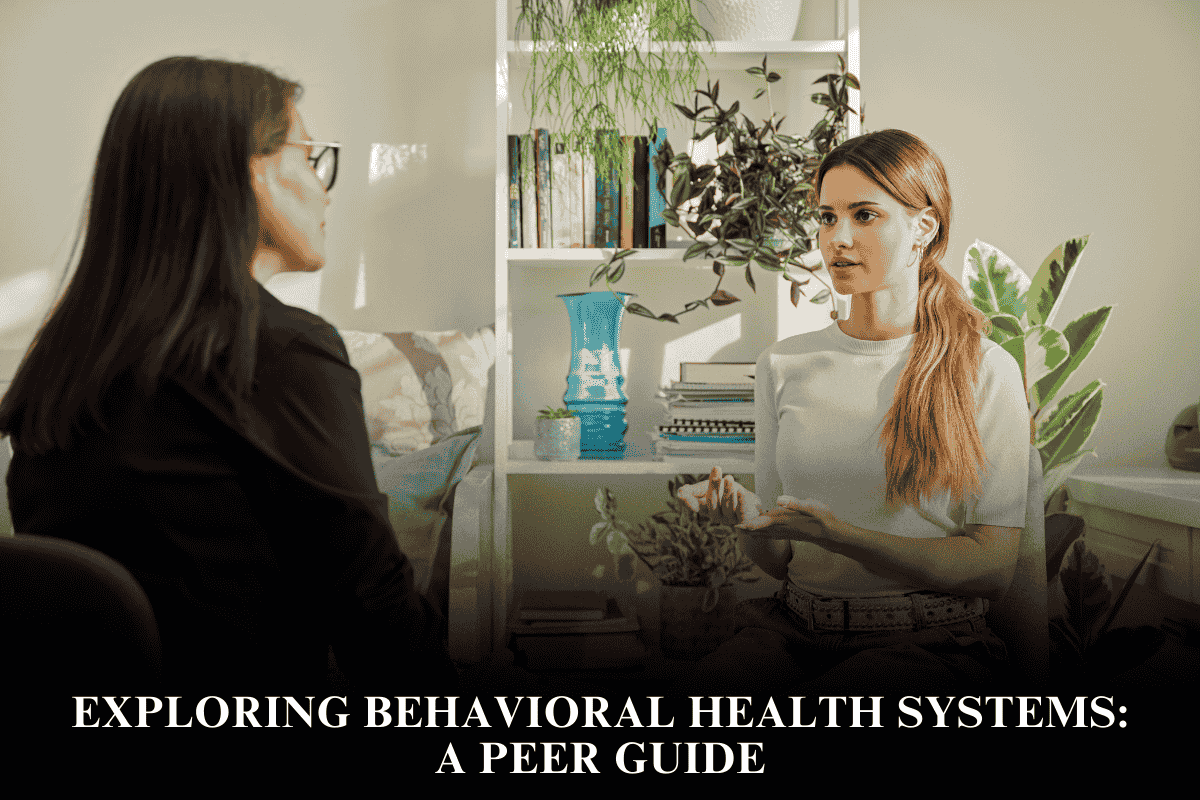
Emerging peer leaders harness shared experiences to guide groups, fostering trust through authenticity rather than authority. Unlike traditional hierarchies, peer leadership thrives on collaboration—rotating roles in circles where everyone teaches and learns, building confidence via mutual accountability. Programs like FutureLearn’s Peer Leadership Foundation empower lived-experience holders to lead with 88% skill gains, proving equals elevate equals.
Self-Awareness: Know Your Voice
Assess strengths via 360 feedback—peers rate listening, empathy, facilitation. Journal “What fires me up?” to align passion with group needs. Emotional intelligence training hones active listening: paraphrase “You feel overwhelmed by…” to validate. Emerging leaders gain 40% self-efficacy through reflection.
Build Peer Circles: Collaborative Foundations
Form masterminds: 4-8 equals meet biweekly, rotating facilitators for equity. Protocols—”one speaks, all listen”—curb dominance; agenda: wins, blocks, action steps. Cross-functional pairs shadow: coders learn community organizing, nurses grasp tech. Virtual Slack channels sustain momentum.
Facilitation Skills: Guide Without Controlling
Structure sessions: icebreakers, deep dives, commitments. Use “parking lot” for off-topic gems; time-box shares (2min/person). Conflict? Neutral questions: “What outcome serves us?”. Peer coaching—pairs swap feedback—builds 30% better decisions.
Action Learning: Apply and Iterate
Tackle real challenges: “How boost attendance?” via group brainstorming. Track via shared docs; debrief “What worked? Pivot?”. Celebrate micro-wins to sustain energy.
Sustain Growth: Networks and Mentorship
Join alumni circles; seek hybrid mentors (peer + senior). Annual retreats recharge; measure via group surveys.
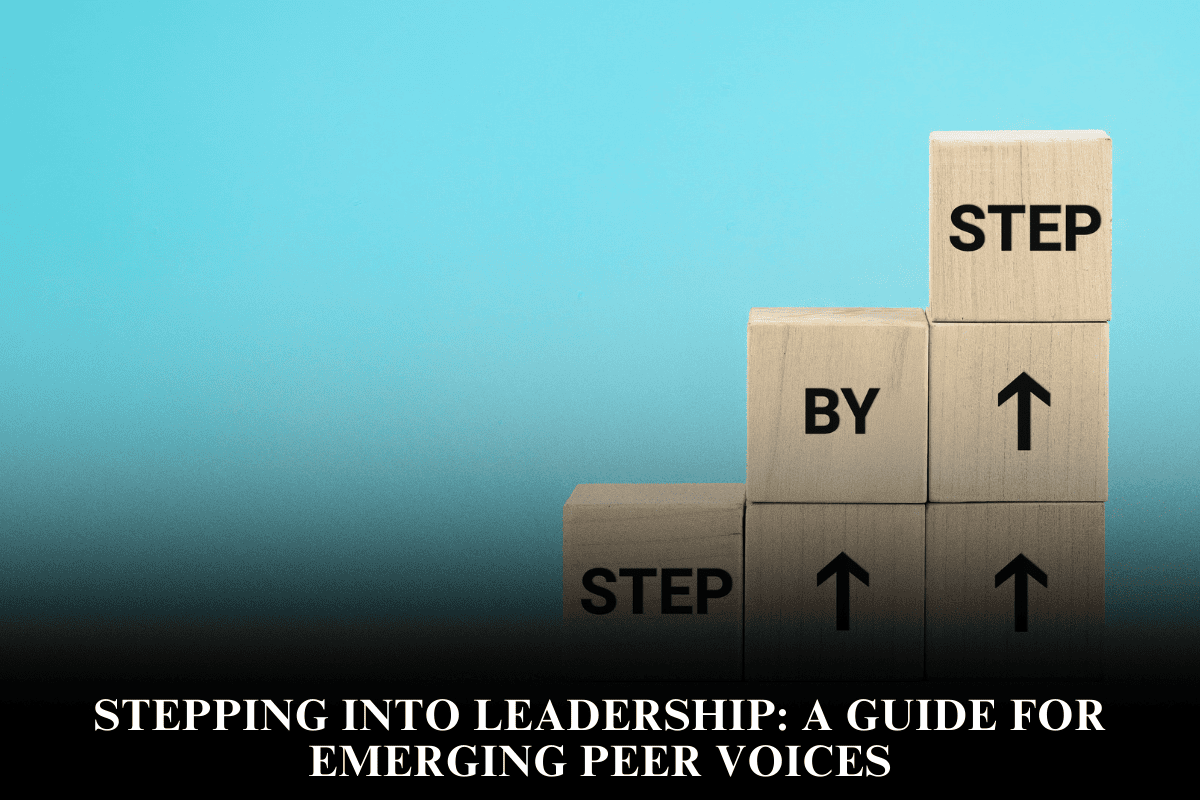
Step up—peers await your voice.
FAQ
What defines peer leadership?
Equals guiding via shared experience, collaboration over authority.
First step?
Self-assess via 360 feedback, journal strengths.
Effective circle structure?
4-8 members, rotate facilitators, timed shares.
Facilitation tips?
Active listening, parking lot, neutral questions.
Measure progress?
Group surveys, action outcomes, micro-wins.