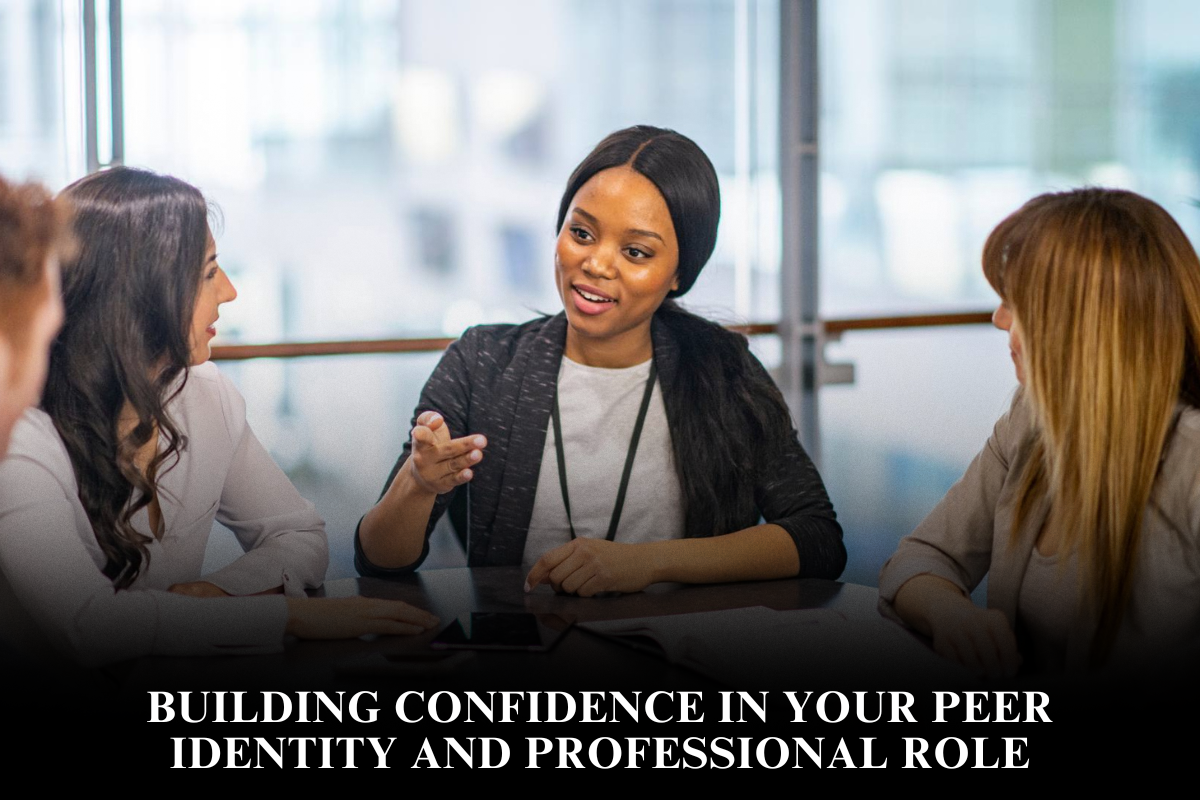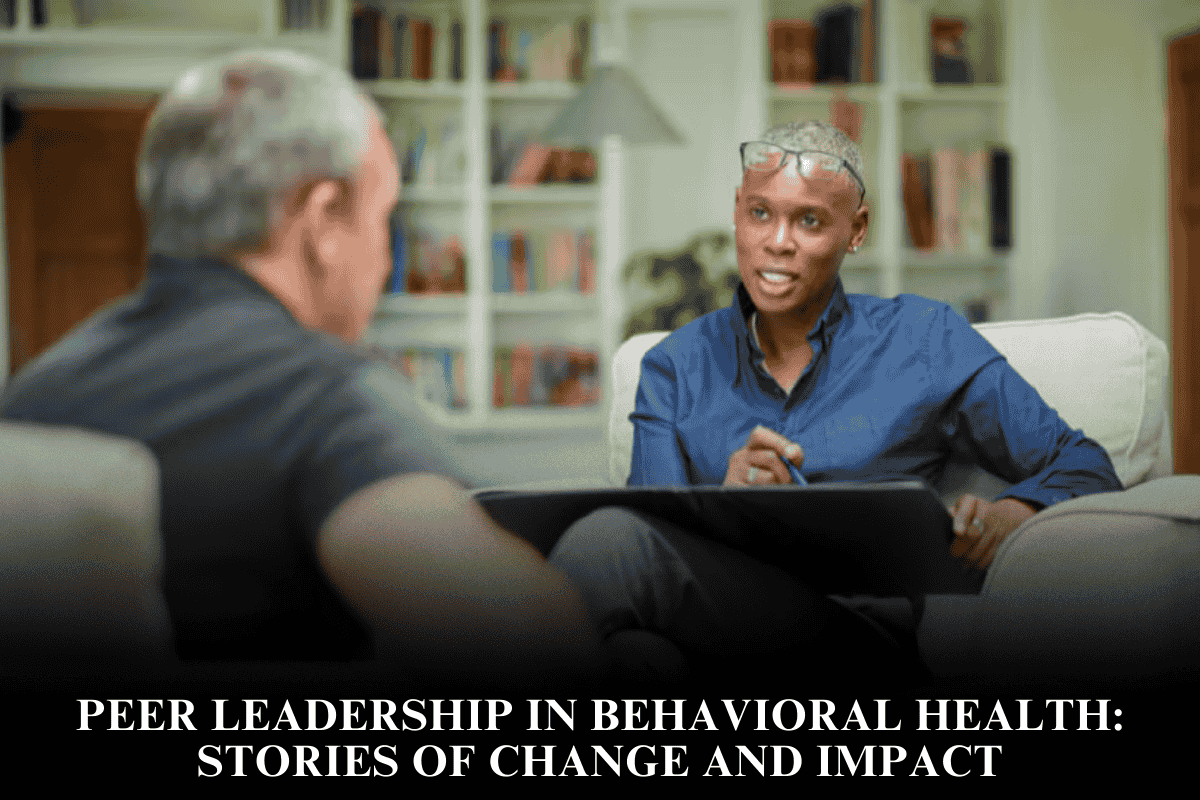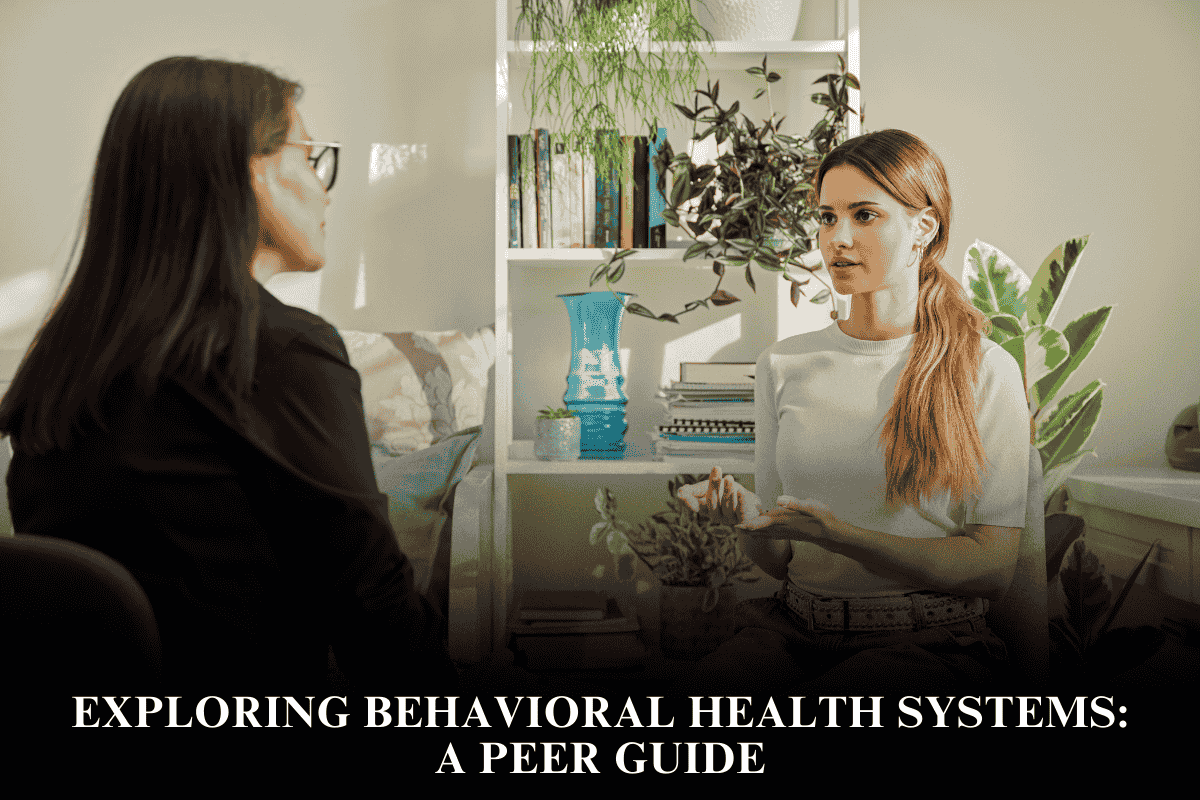
Celebrating strengths redefines peer empowerment in healing-centered education by positioning students as dynamic leaders who leverage personal and collective assets for mutual growth and resilience. This model moves beyond deficit views, emphasizing peer-to-peer pedagogy, student-led feedback, and culturally responsive practices to foster agency amid systemic traumas. Schools become hubs where youth drive healing through mediation, mentoring, and co-created learning, repairing trust and advancing equity.
Core Elements of the Model
Central to this approach, peer networks thrive via student-owned initiatives like design teams, restorative circles, and competency-based learning that highlight strengths over challenges. Educators facilitate rather than dictate, using mastery-based assessments and project-based tasks to empower peers as trainers and mediators. Relationships form the foundation, with compassionate bonds enabling vulnerability, self-worth, and collective agency.
Shifting from Pathology to Assets
Traditional models pathologize trauma, but this framework adopts a resource orientation, integrating political education, community base-building, and youth wisdom to disrupt oppression. Peers lead hiring committees, curriculum adoption, and feedback loops, ensuring practices reflect lived experiences and cultural brilliance. Anti-racist norms prioritize mediation over punishment, celebrating identities for holistic thriving.
Practical Implementation
Deploy peer mediation programs as curriculum, train students in restorative justice, and embed voice in decision-making via town halls and conferencing. Collaborate with staff for ongoing development, using data alongside community insights for coherence. Outcomes include enhanced well-being, academic gains, and sustained engagement.
This model transforms peers into empowered healers, reimagining education as strength-affirming spaces.
FAQ
What is the strengths-celebrating model?
A peer empowerment framework in healing-centered schools that centers student assets, agency, and relationships for collective healing.
How does it empower peers?
Through student-led mediation, feedback, mentoring, and co-design of learning to build leadership and resilience.
Key differences from traditional approaches?
Focuses on strengths and equity versus deficits; peers as active leaders, not passive recipients.
What practices support it?
Restorative circles, peer training, mastery-based learning, and culturally responsive pedagogy.
What outcomes does it yield?
Improved social-emotional health, trust, academics, and community cohesion.