In cities across the United States—from the sunlit streets of Los Angeles to the quiet neighborhoods of Minneapolis—people are discovering something remarkable: communities heal best when they heal together.
In an ever-fast-moving and often isolating culture, the power of mutual support remains a steady foundation for recovery, wellness, and thriving relationships.
Whether the challenge is mental health, addiction recovery, chronic illness, or trauma, the simple act of standing together transforms what feels overwhelming into something manageable—and often hopeful.
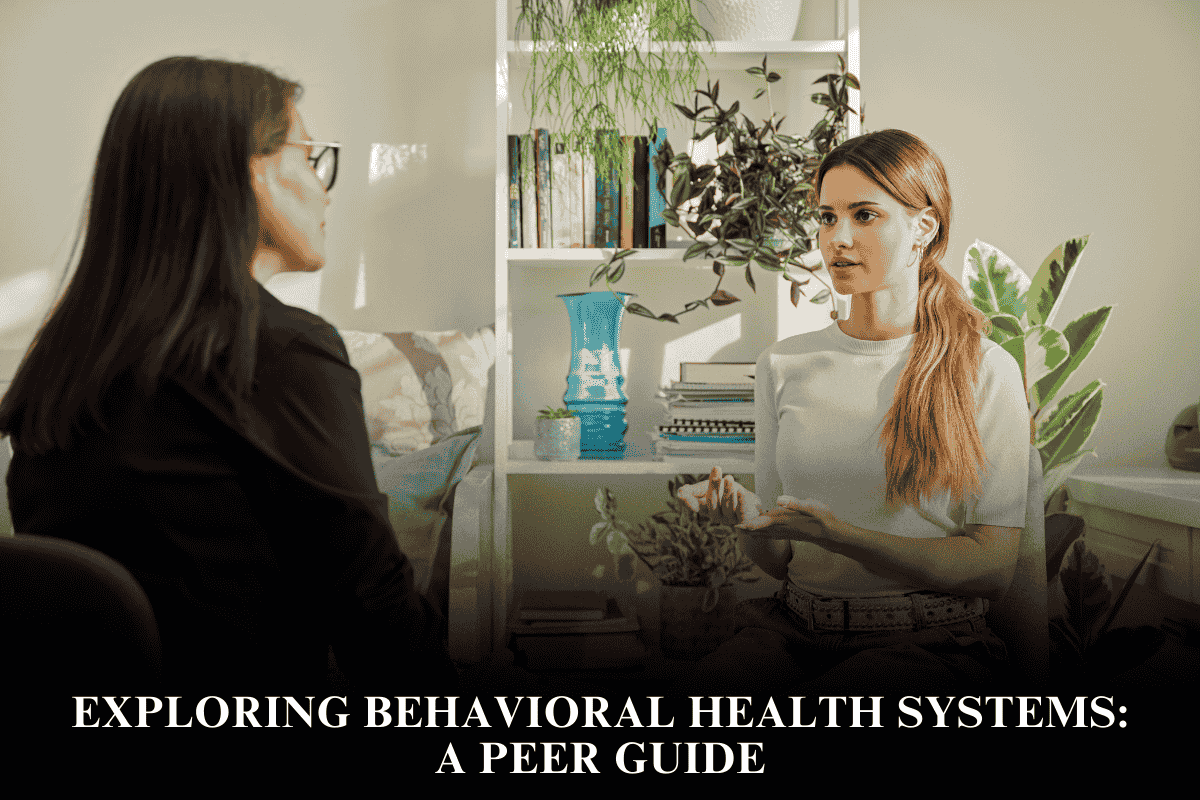
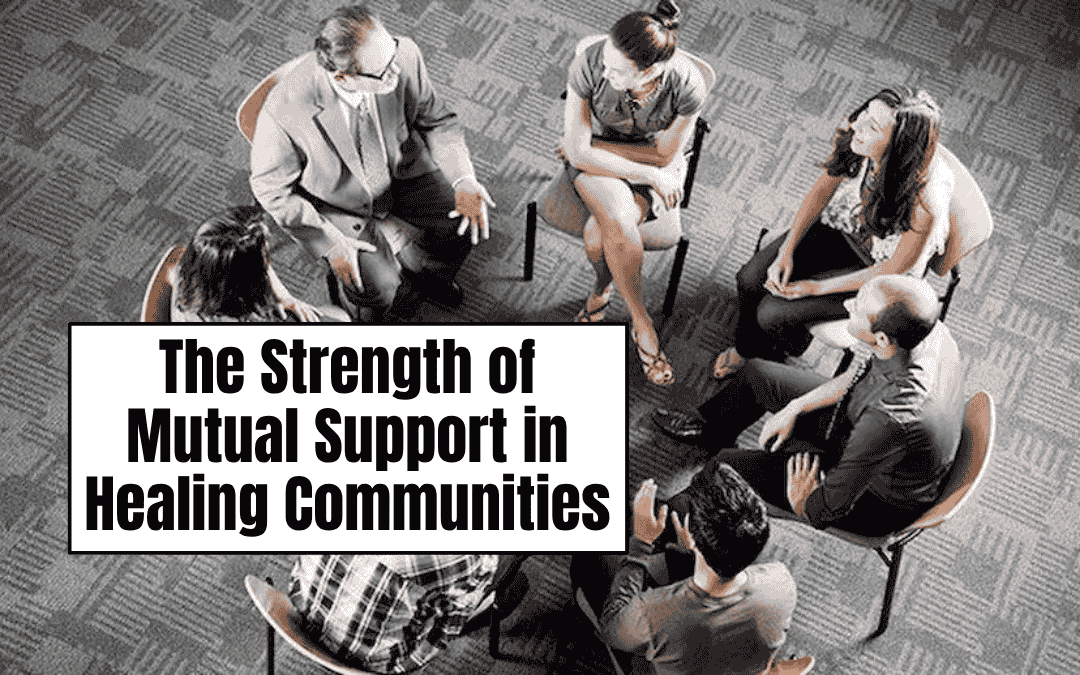
When someone in New York City decides to attend a peer-led support group, they aren’t just getting a meeting—they’re joining a community of individuals who’ve walked similar paths. In cities like Chicago and Houston, healing circles have become fixtures at community centers and nonprofit clinics.
These groups enable people to say things like “I’ve been there” or “I understand,” and in that recognition lies transformative healing.
According to recent data, over 70% of participants in peer-support programs report improved emotional well-being and a stronger sense of belonging. That’s no small number—it speaks to the power of collective experience.
Sharing stories helps dissolve shame and silence. When someone says “I’ve been in your shoes,” it flips the narrative from isolation to connection. This connection fosters accountability, encouragement, and most importantly, hope. It reminds us that healing is not a solo journey; it unfolds in the company of others.
Mutual Support and Recovery
In Portland, Oregon’s downtown neighborhoods, peer-mentor programs for addiction recovery have grown rapidly. These programs pair someone who’s maintained recovery for two years with newcomers looking to rebuild their lives.
The results are compelling: communities report lower relapse rates, higher employment outcomes, and a reinvigorated sense of purpose among mentors themselves.
Recovery in a community framework brings consistency and stability; regular check-ins, shared meals, and lived-experience guidance foster resilience.
Similarly, in Philadelphia and Atlanta, group programs for chronic illness management—like diabetes and arthritis—leverage peer networks to boost outcomes.
Participants who regularly engage in these peer groups reduce hospital admissions by nearly 40% and experience improved quality of life metrics.
When people with shared challenges come together, they exchange not just tips and resources but empathy, encouragement, and the belief that “I can get through this.”
Community-Driven Wellness in Neighborhoods
Healing communities are more than organized support groups—they’re embedded in neighborhoods and daily life. In Denver, local churches, recreational centers, and neighborhood associations host “Wellness Cafés” where neighbors meet for informal conversation, light physical activity, and guidance from trained community members.
These grassroots programs reflect a shift from telling people what to do to inviting them into what we can do together.
In suburban areas around Seattle, “Buddy Walking” networks launched by community health coalitions invite pairs or small groups of people to walk together three times a week. The result? Improved physical health, better mood regulation, and a tangible sense of community cohesion.
You’re not just walking—you’re building relationships, accountability, and support. The data confirms: social connectedness is a stronger predictor of long-term health than many standard medical risk factors.
Strength in Diversity: Inclusive Healing
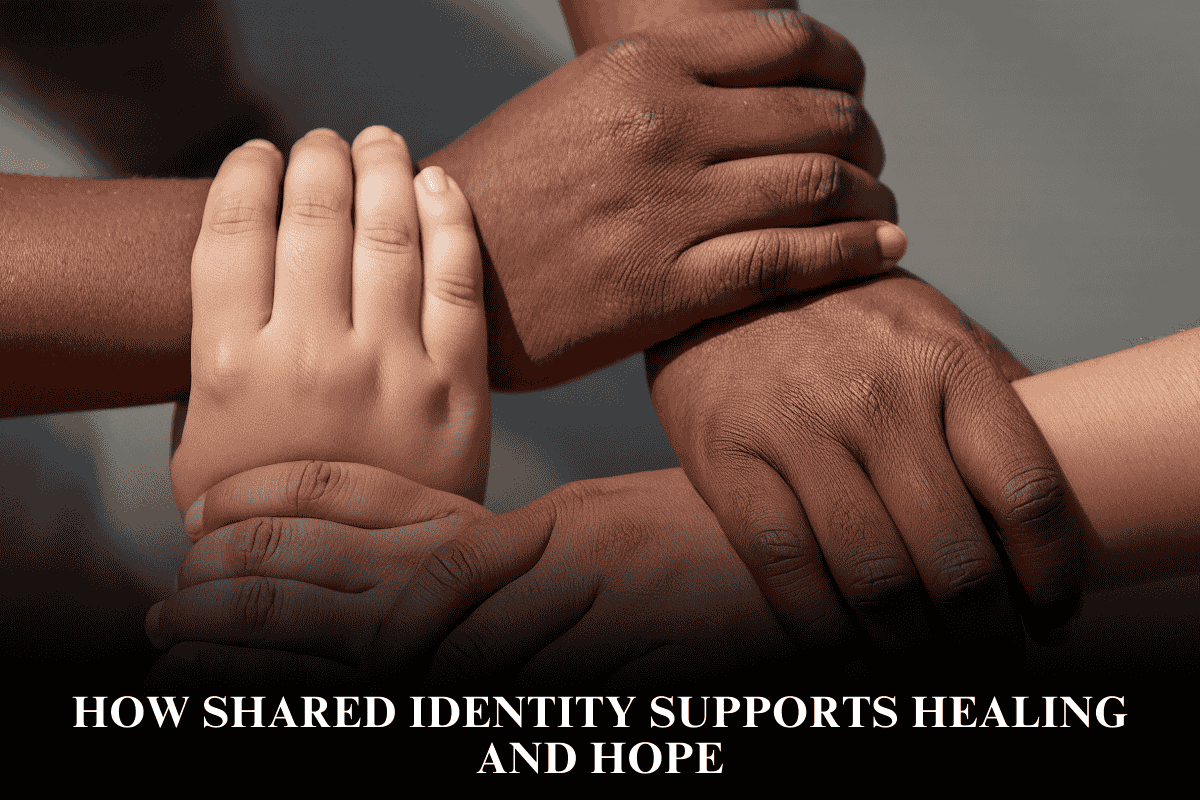
Healing communities thrive when they embrace diversity—across age, race, gender identity, and background. In Miami, bilingual peer-support groups ensure that Spanish-speaking individuals aren’t sidelined.
In Minneapolis’s Somali community, culturally specific healing circles guided by elders provide safe spaces that mainstream models might overlook. These inclusive approaches recognize that healing isn’t one-size-fits-all—it’s relational, contextual, and rooted in shared cultural identity.
When communities reflect the real lives of their participants, the support becomes richer and more relevant. Trust builds quicker, and the bond that forms leads to deeper healing, especially for those who’ve historically felt marginalized.
Across the United States—whether in the vibrant hustle of Los Angeles, the revitalizing landscape of Detroit, or the scenic outskirts of Nashville—mutual support within healing communities stands out as a beacon of hope.
When individuals come together, not just in need but in possibility, they craft environments where stories are heard, resilience is built, and wellness becomes a collective mission. In a world that often emphasizes independence, these communities remind us that we don’t have to heal alone.
In fact, we flourish when we heal with others. By embracing shared experience, consistent connection, and cultural inclusivity, healing communities are transforming lives one conversation, one walk, one shared meal at a time.
FAQs
What are healing communities?
Healing communities are groups of people who come together to support one another through shared experiences with mental health, addiction recovery, chronic illness, or trauma.
How do shared stories promote recovery?
Sharing stories helps individuals feel seen and understood. It reduces shame, builds empathy, and creates a foundation for hope and accountability.
What role do peer mentors play in community healing?
Peer mentors provide guidance based on lived experience, helping others navigate recovery with empathy, authenticity, and practical strategies for success.
How do community wellness programs improve health outcomes?
Programs like Wellness Cafés and Buddy Walking networks improve both mental and physical health by fostering connection, consistency, and social accountability.
Why is inclusivity important in healing communities?
Inclusive healing ensures that people from diverse cultural, linguistic, and social backgrounds feel welcome and represented, making support systems more effective and meaningful.