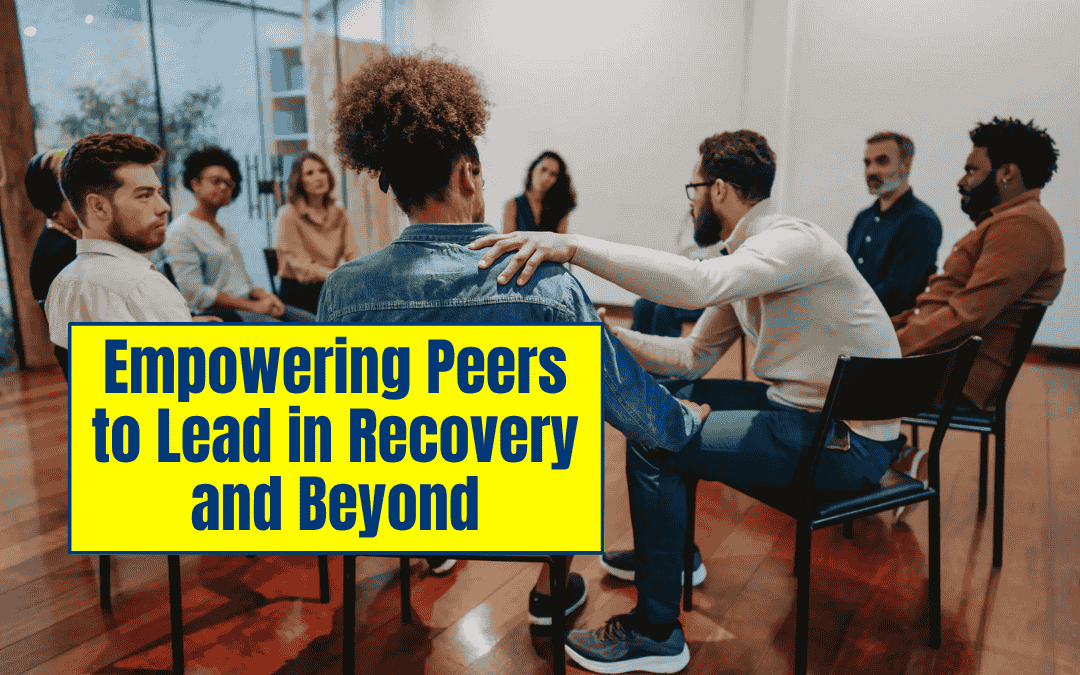
Peer leadership in recovery is more than just support—it’s transformation in motion. It involves individuals who have personally battled addiction, homelessness, or mental illness stepping into leadership roles.
They aren’t merely guiding group sessions; they are mentors, professionals, advocates, and system changers. In cities like New York and Los Angeles, peer specialists are making real impact—from hospital emergency rooms where they help patients begin treatment, to housing programs that give residents the tools to rebuild their lives through mutual support.
Why Peer-Led Approaches Have Power
What makes peer leadership so effective is authenticity. Shared experiences breed trust—something that can’t be taught in textbooks. When someone who’s been there offers guidance, it cuts through fear and shame.
Moreover, peers innovate where traditional models may fail. By relying on lived experience, they craft flexible, compassionate solutions.
Research backs it up: participants in peer-led recovery programs are up to 40% more likely to stay engaged in treatment six months later than those in conventional programs.
A Snapshot Across U.S. Cities
Peer leadership isn’t confined to one region—it’s reshaping communities coast to coast. In Portland, Oregon, peer specialists now join first responders on overdose calls, offering follow-up care and emotional support.
In Miami, Florida, recovery leaders organize outreach events, distributing naloxone and breaking down stigma through personal storytelling. In Detroit, Michigan, peer-run sober homes give residents role models who understand every step of the journey.
Each city showcases how peers can bridge the gap between crisis response, recovery, and long-term well-being.
Beyond Recovery: Leadership, Careers, and Advocacy
For many, recovery marks the beginning of a new calling. Certified peer specialists now hold professional positions, shaping programs, and influencing policy.
In Phoenix, for instance, peers work with local government to divert people with mental health challenges away from the criminal justice system. In Boston, a once-unhoused peer leader now sits on the city’s homelessness task force, proving that lived experience can guide systemic change.
This evolution transforms personal healing into social leadership—a cycle of empowerment that sustains communities.
Overcoming Challenges and Building Stronger Systems
The movement still faces challenges. Some organizations underutilize peer leaders, and rural areas struggle with funding and infrastructure. But progress is accelerating.
Legislation in Washington D.C. now requires a portion of behavioral health funds to support peer-run programs. National certification and training networks are expanding.
Slowly but surely, systems are learning that peers aren’t side players—they’re central to recovery’s future.
The Impact We’re Already Seeing
Peer-led programs are already delivering results: fewer hospital readmissions, better employment outcomes, and higher housing stability.
In San Francisco, a peer-led center for veterans achieved a 65% stable housing rate after one year—far exceeding traditional programs. When people with lived experience lead, the impact ripples through entire communities.
Conclusion: A Future Powered by Shared Experience
America’s peer leaders are redefining what recovery looks like. Their message is clear: those who’ve walked through darkness can light the way for others. From Minneapolis to Houston, the movement is gaining momentum, transforming pain into purpose and experience into leadership.
As more systems invest in peer-driven care, recovery becomes more than survival—it becomes a revolution of shared humanity.
FAQs
What is a peer leader in recovery?
A peer leader is someone who has lived through addiction, mental illness, or related challenges and now uses that experience to guide others toward recovery and empowerment.
How do peer-led programs differ from traditional recovery programs?
Unlike traditional models led by clinicians, peer programs emphasize mutual understanding, trust, and lived experience—creating a more relatable and effective form of support.
Are peer leaders trained professionals?
Yes. Many complete certified peer support training programs, earn credentials, and work in hospitals, nonprofits, and public agencies.
What impact do peer-led programs have?
Studies show participants in peer-led programs are more likely to stay engaged in treatment, maintain housing, and achieve lasting recovery outcomes.
How can communities support peer leadership?
Communities can advocate for funding, training programs, and policy inclusion to ensure peers have the resources and authority to lead meaningfully.