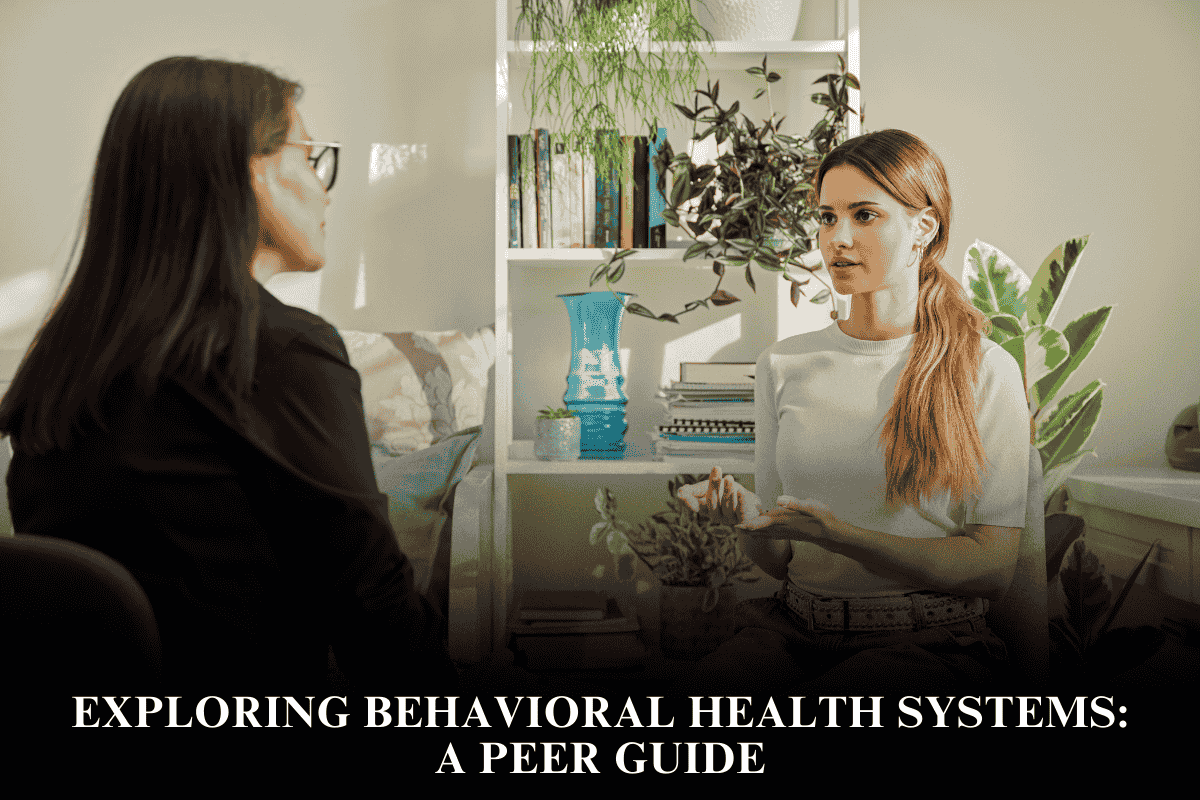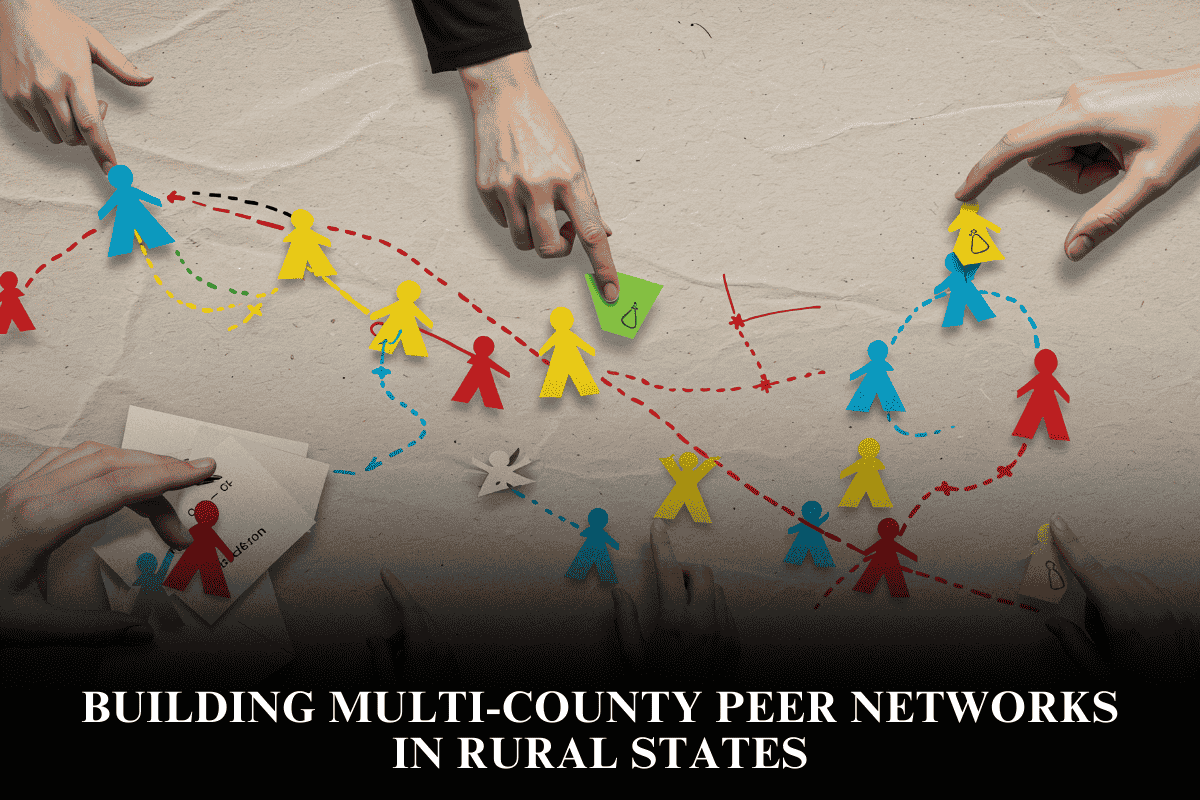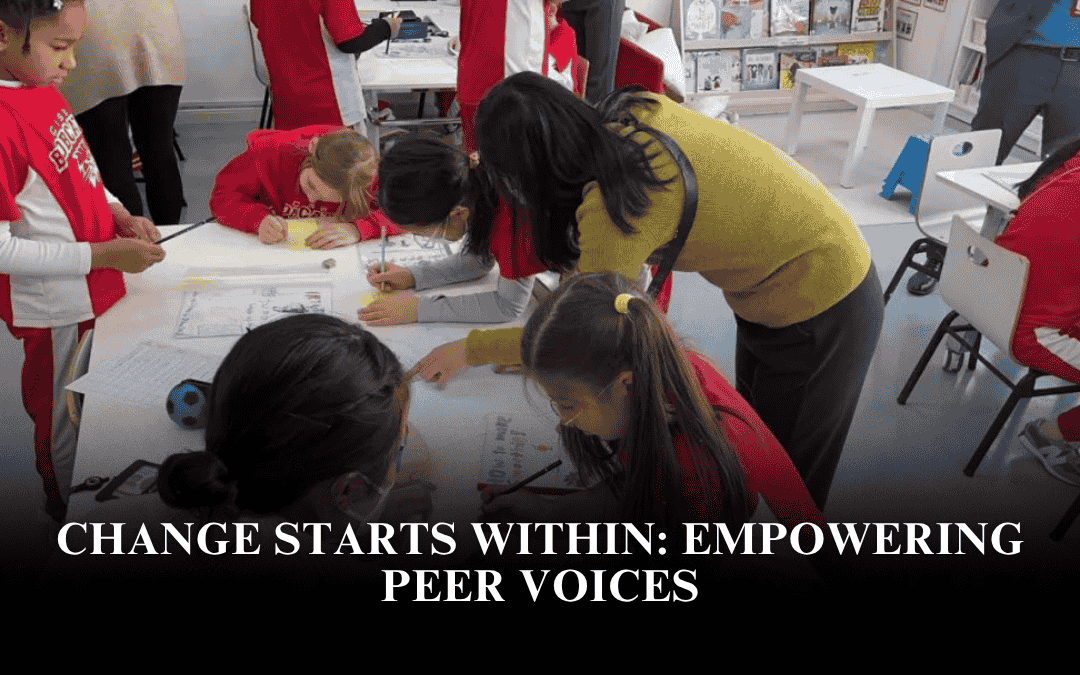
The Iowa Peer Network plays a vital role in empowering peer voices through a statewide system of peer support services. Grounded in lived experience, peer support specialists connect individuals facing mental health and substance use challenges with guidance, resources, and community connections, fostering recovery and resilience.
Personalized Peer Support and Workforce Development
Iowa has invested in comprehensive peer support training through initiatives like the Iowa Peer Workforce Collaborative. This program trains Peer Support Specialists, Family Peer Support Specialists, and Recovery Coaches to provide effective recovery-oriented services.
The focus is on trauma-informed, person-centered care rooted in empowerment and self-determination. The training curriculum covers engagement skills, wellness, advocacy, and cultural humility to prepare specialists for certification and ensure quality peer support delivery statewide.
Peer-Run Centers and Community Building
Peer Wellness Centers and Recovery Community Centers in Iowa offer welcoming, low-barrier access to support outside traditional clinical settings. These centers provide mutual aid groups, training, recovery coaching, and community events to promote health equity and resilience.
Iowa’s only peer-run respite center, Rhonda’s House, illustrates the commitment to peer-led crisis support in a home-like environment, helping individuals manage crises with dignity and peer connection.
Addressing Community Needs and Crisis Support
Programs like the LORE pilot use certified Peer Recovery Coaches to respond to the opioid and stimulant overdose crisis by providing outreach, navigation, and linkage to care.
Peer support is integrated into crisis services statewide, supporting a comprehensive behavioral health network that prioritizes prevention, recovery, and peer empowerment.
Challenges and Sustainability
While the peer support movement in Iowa grows, challenges persist around sustainable funding, workforce retention, and ongoing skill development.
The Iowa Behavioral Health Service System Statewide Plan includes strategies for expanding peer support capacity, increasing behavioral health knowledge among providers, and building a sustainable, person-centered recovery system.
FAQs
What is the Iowa Peer Network?
The Iowa Peer Network is a collaborative system supporting Peer Support Specialists and related roles across Iowa, providing training, resources, and connection to foster a strong, skilled peer workforce in behavioral health recovery.
Who can become a Peer Support Specialist in Iowa?
Individuals with lived experience in recovery from mental health or substance use challenges can train and become certified Peer Support Specialists through programs like the Iowa Peer Workforce Collaborative.
What services do peer support programs offer?
Peer support programs offer emotional support, resource navigation, recovery coaching, community building, mutual aid groups, and crisis respite services delivered by trained peers.
How do peer-run centers benefit the community?
Peer-run centers provide trauma-informed, low-barrier access to supportive environments where individuals can build resilience, engage in recovery activities, and connect with others who share similar experiences.
What challenges face peer support services in Iowa?
Key challenges include securing sustainable funding, retaining a skilled workforce, expanding training opportunities, and integrating peer support fully into the broader behavioral health system.