Advocacy is a powerful tool that enables peers to influence policy and systems change by bridging lived experience with decision-making processes. Peer advocacy is rooted in authenticity and community connection, making it uniquely effective in raising awareness, shaping policies, and fostering systemic equity. This article explores how peers can build capacity, strengthen influence, and create enduring change in policy landscapes.
Understanding Peer Advocacy and Its Role
Peer advocacy leverages shared experiences to amplify marginalized voices within policymaking arenas. Unlike traditional advocacy, it centers lived expertise to ground conversations in real-world impacts. Peers use storytelling, coalition-building, and direct engagement with stakeholders to shift both policy content and practice culture.
Foundational Strategies for Policy Influence
Effective peer advocacy begins with research and data-driven messaging. Gathering evidence about the issue’s scope and impact increases credibility with policymakers. Developing clear, compelling narratives alongside statistics helps frame the issue in ways that resonate emotionally and logically.
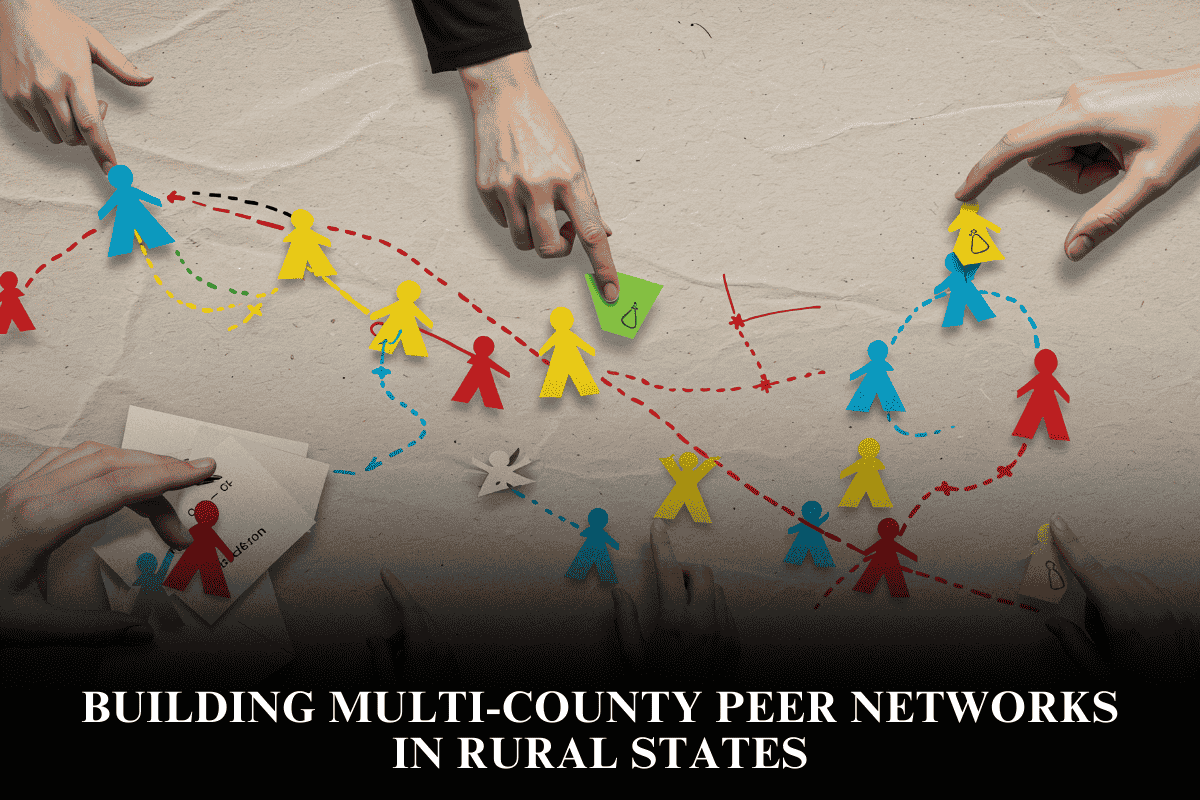
Building alliances is another key strategy. Successful advocates identify and engage diverse stakeholders — policy champions, community members, and even unlikely allies — to broaden support and amplify power. Coalitions enable resource sharing, coordinated campaigns, and simultaneous pressure on multiple fronts.
Tactical Methods for Systems Change
Peers can influence policy through multiple avenues:
- Direct Engagement: Meeting legislators or officials to share personal experiences, offer policy recommendations, and participate in public hearings emphasizes grassroots perspectives and humanizes issues.
- Media and Awareness Campaigns: Utilizing social media, op-eds, newsletters, and public events raises the profile of issues, creating public pressure for change.
- Organizing Collective Action: Coordinating demonstrations, petitions, or community forums galvanizes supporters and signals stakeholder urgency to decision-makers.
- Policy Monitoring and Feedback: Tracking proposed policies and offering constructive feedback through formal channels empowers peers to shape evolving regulations effectively.
Overcoming Challenges and Building Capacity
Advocacy often requires persistence and adaptation. Peers may face barriers like limited access, power imbalances, or lack of formal advocacy experience. Addressing these challenges involves capacity-building through training, mentorship, and networking to enhance skills in communication, negotiation, and policy analysis.
Sustaining advocacy efforts depends on strong organizational support, diverse funding sources, and inclusive leadership that centers peer voices as experts.
Real-World Impact of Peer Advocacy
Transformative policy changes often begin with peer-led initiatives that redefine problems, advocate for innovative solutions, and shift social norms. By integrating experiential wisdom with strategic advocacy, peers contribute to improved services, more equitable laws, and inclusive systems that better serve communities.
Frequently Asked Questions
Q. What makes peer advocacy different from other advocacy approaches?
Peer advocacy centers lived experience, using personal narratives to influence policy and create authentic connections that traditional methods may miss.
Q. How can peers gain influence with policymakers?
Building research-backed arguments, forming coalitions, and engaging directly with legislators through meetings or public hearings increase credibility and impact.
Q. What advocacy tools are most effective for peers?
Media campaigns, social media engagement, public events, petitions, and organized collective action help amplify messages and mobilize support.
Q. How do peers handle challenges like power imbalances or access issues?
Through advocacy training, mentorship, networking, and organizational support that empower peer voices and mitigate systemic barriers.
Q. Can peer advocacy create lasting systems change?
Yes. When peers combine strategic approaches with authentic experience, they can influence policy, shift social norms, and build more equitable systems.