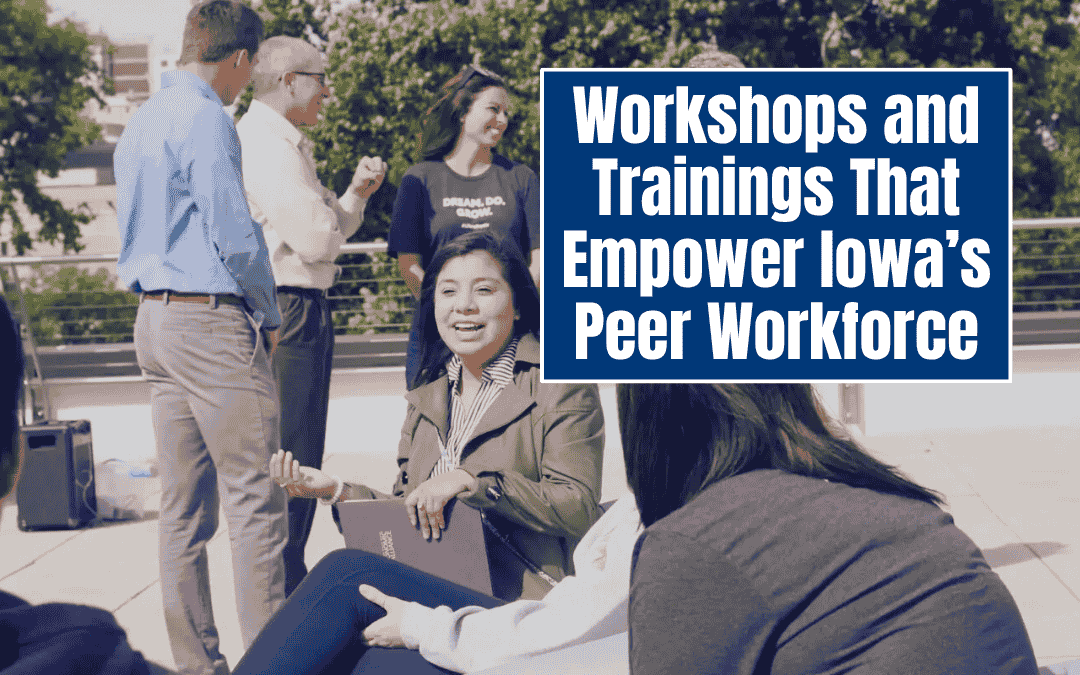
In the heart of the Midwest, Iowa’s peer workforce is quietly making a powerful impact. These individuals—often people with lived experience in recovery, behavioral health, or disability—serve as bridges between communities and support systems, providing empathetic, relatable assistance in workplaces, treatment programs, and community initiatives.
As demand for peer expertise rises across Des Moines, Cedar Rapids, and Iowa City, workshops and training programs are becoming essential to sustain and expand this vital workforce. These efforts are not just building skills—they’re reshaping the culture of care across the state.
Understanding the Role of the Peer Workforce
Peer workers hold roles that are both deeply personal and systemically transformative. Across Iowa—in Davenport, Sioux City, and beyond—organizations are increasingly hiring peer support specialists to guide individuals through recovery, reentry, and mental health journeys.
According to recent statewide data, Iowa’s behavioral health workforce has expanded by nearly 15 percent over the past five years, with peer specialists driving much of that growth.
Their strength lies in authenticity—they have lived the challenges their clients face and bring compassion that traditional providers can’t replicate.
However, turning lived experience into a professional skill requires more than passion. It demands structured training in boundaries, ethics, communication, crisis response, and certification standards.
Without this preparation, peers risk burnout or blurred professional boundaries. That’s why dedicated workshops have become the backbone of Iowa’s growing peer ecosystem.
Workshops That Build Foundational Skills
Across Iowa, foundational workshops equip peer professionals with essential skills to serve effectively and sustainably.
In Des Moines, a nonprofit hosts a weekend intensive called “Peer Support 101: Building Connections, Setting Boundaries.”
Participants engage in role-play, discuss ethical dilemmas, and develop personal philosophies of peer practice. By the end, they leave with a toolkit of strategies for empathy and self-awareness.
Meanwhile, in Cedar Rapids, the workshop “Communication & Storytelling for Peer Professionals” helps participants transform lived experiences into empowering, safe dialogue.
Trainees practice reflective listening, motivational interviewing, and goal-setting—reporting a 30 percent increase in confidence after four weeks.
Certification preparation is also key. Iowa requires peer certification for some roles and funding streams, so classes like “Certification Catalyst” in Iowa City guide participants through the credentialing process, pairing them with experienced mentors who help demystify the steps ahead.
Advanced Trainings for Specialty and Leadership Roles
As Iowa’s peer workforce evolves, advanced trainings are helping experienced peers grow into leadership and specialized positions.
In the Quad Cities region, “Trauma-Informed Peer Leadership” invites seasoned specialists to explore trauma theory, leadership frameworks, and self-care.
The focus is not only on deepening understanding, but on preparing participants to mentor newer peers and lead initiatives with confidence.
In Sioux City, the workshop “Peer Workforce Data & Outcomes” trains peers to collect and interpret program data—an increasingly vital skill as organizations seek measurable proof of impact.
One county’s peer-led programs reported a 12 percent drop in emergency department visits in a year, thanks in part to data-driven evaluation. These trainings empower peers to show tangible results and strengthen the case for continued investment.
Creating Empowered Communities Through Integration
Training peer professionals benefits far more than individuals—it transforms entire systems of care.
In Iowa City, adding trained peer specialists to a behavioral health team reduced client wait times by 20 percent. In rural counties, peer-led outreach increased early-intervention screenings by nearly 25 percent, ensuring support reached those often overlooked.
Workshops also build community within the workforce itself. Quarterly Peer Connect conferences unite peers from across Iowa to share experiences, brainstorm solutions, and form partnerships.
From mobile outreach teams in Johnson County to peer-run recovery cafés in Polk County, many of Iowa’s most innovative programs trace their roots to these connections.
Fostering a Sustainable Future for Iowa’s Peer Workforce
Iowa stands at a pivotal moment. The peer workforce is expanding rapidly, and the infrastructure to train and support these professionals is maturing alongside it.
For organizations, investing in training isn’t a luxury—it’s essential to creating equitable, effective systems of care. For peer professionals, workshops offer not just knowledge, but empowerment, identity, and a sense of purpose.
As Iowa continues this trajectory, the question is not if peer training will grow—it’s how fast and how far it can reach. With comprehensive foundational programs, advanced leadership development, and community-wide integration, Iowa’s peer workforce is poised to lead the next chapter of mental health and recovery support.
From Des Moines to Davenport, Cedar Rapids to Sioux City, peer professionals are transforming care—one conversation, one connection at a time.
FAQs
1. What is Iowa’s peer workforce?
It’s a growing network of professionals with lived experience in recovery, behavioral health, or disability who provide guidance and support within communities and service organizations.
2. Why is training so important for peer workers?
Training equips peer workers with essential skills in ethics, communication, crisis response, and professional boundaries—ensuring effectiveness and sustainability in their roles.
3. Are certification programs required for Iowa peer specialists?
Yes, Iowa requires certification for some roles and funding streams, and many workshops offer preparation for the credentialing process.
4. What impact do peer-led programs have on communities?
Peer-led programs improve engagement, reduce hospitalizations, shorten wait times, and increase access to mental health services—especially in rural areas.
5. How can organizations support the peer workforce?
By investing in training, offering mentorship, and creating environments where peer specialists are valued, integrated, and empowered to lead.