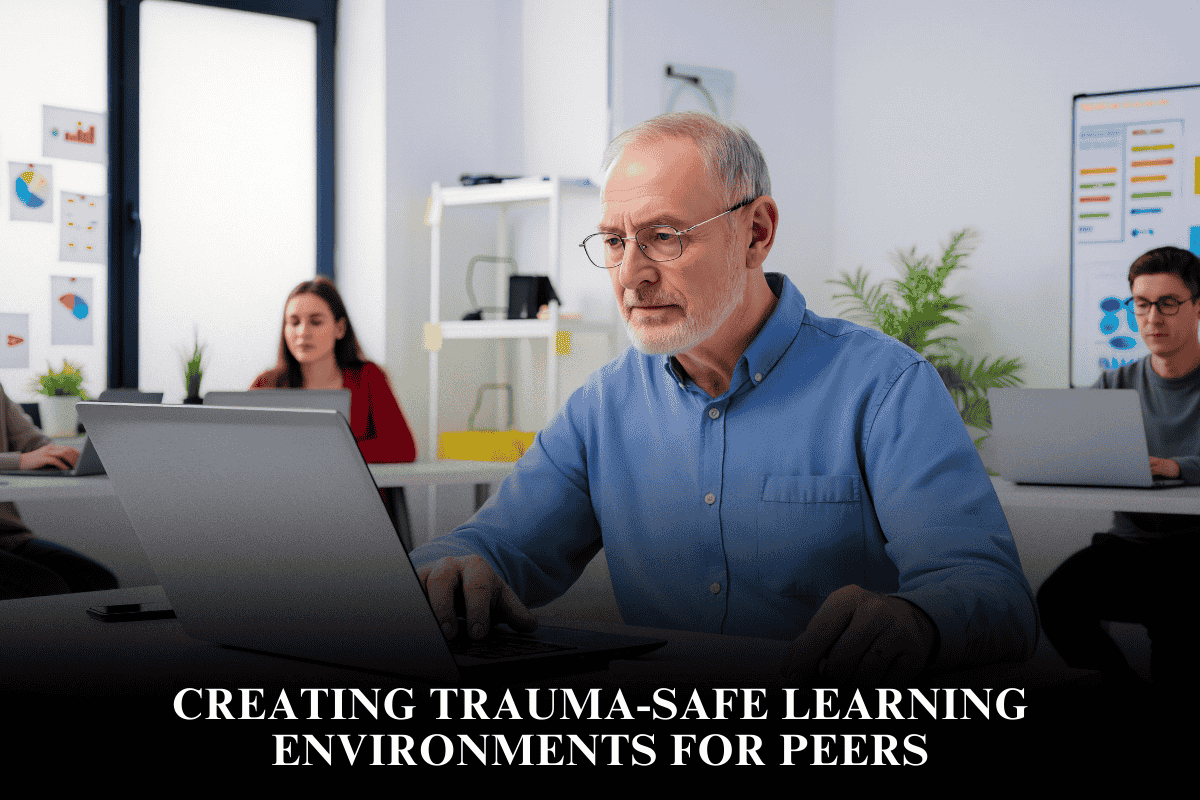
Creating trauma-safe learning environments is essential to support peers who have experienced trauma by fostering a space that prioritizes safety, trust, and empowerment. Trauma affects emotional regulation, cognition, and behavior, making traditional learning environments potentially overwhelming or triggering. A trauma-safe approach implements consistent routines, clear communication, and supportive peer interactions to reduce stress and encourage healing and learning.
Principles of Trauma-Safe Learning
Key principles include physical and emotional safety, trustworthiness, collaboration, choice, and cultural sensitivity. Environments are structured with predictable schedules and clear expectations to minimize anxiety. Providing calm zones or sensory-friendly spaces helps peers self-regulate when overwhelmed. Peer involvement in creating safe spaces and setting rules fosters ownership and mutual respect, crucial to trauma recovery.
Peer Support Role
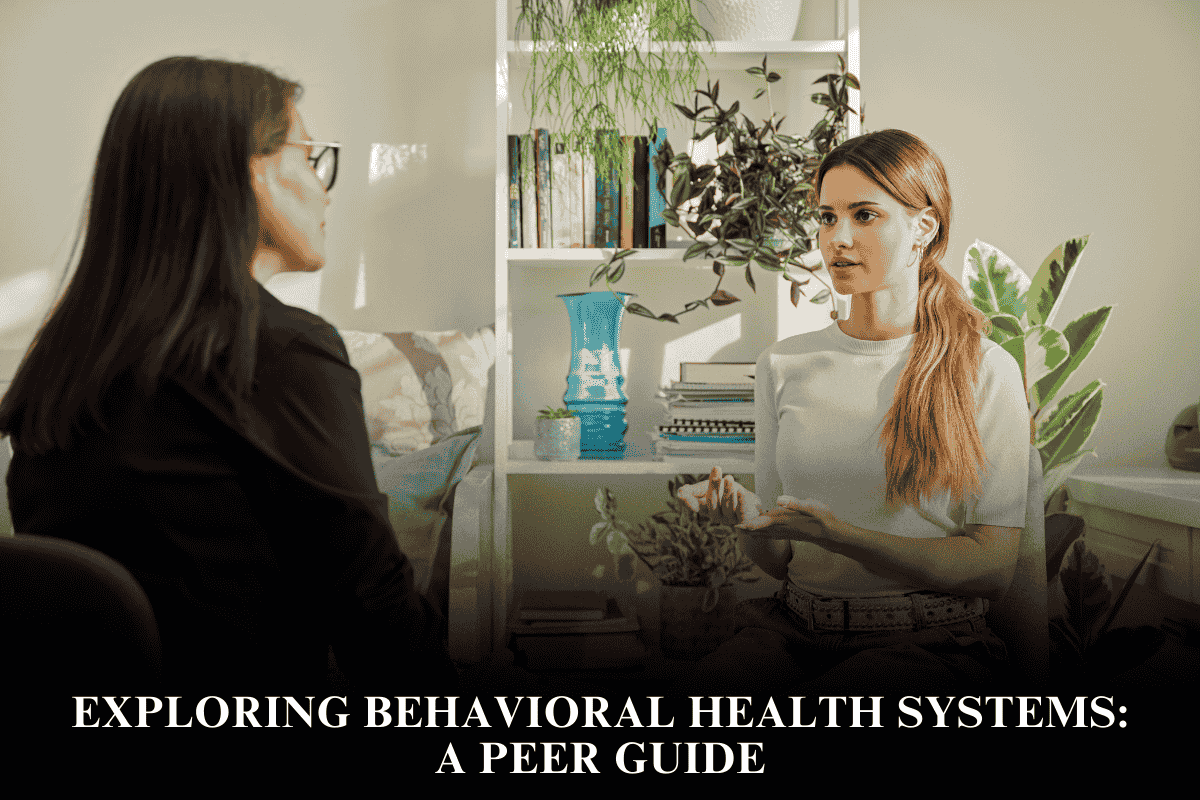
Peer support plays a vital role in trauma-safe environments by offering understanding, empathy, and shared experience that professional support alone cannot match. Peers who have faced similar challenges provide role modeling and reduce isolation while promoting trust. Encouraging voluntary sharing and mutual respect strengthens these networks and builds resilience and empowerment.
Practical Strategies
- Use consistent, predictable routines and alert peers in advance to changes.
- Integrate emotional literacy activities that teach recognizing and managing feelings.
- Create safe physical environments with calming décor and designated quiet zones.
- Use trauma-sensitive language and provide opportunities for choice and decision-making.
- Train peer leaders in trauma-informed practices to promote mutuality and supportive communication.
Benefits
Trauma-safe environments improve engagement, reduce behavioral issues, and support long-term emotional and academic growth. Peers feel valued and empowered, increasing motivation and helping rebuild positive relationships critical for recovery.
FAQ
What is a trauma-safe learning environment?
It is a setting designed to promote safety, predictability, trust, and empowerment for individuals who have experienced trauma, reducing triggers and fostering healing.
How can peers support trauma recovery in learning spaces?
Peers offer empathy, shared experience, and mutual support that build trust and reduce feelings of isolation.
What practical steps create trauma-safe classrooms?
Establish predictable routines, provide calming spaces, teach emotional literacy, and allow students choice in learning activities.
How important is physical space design?
A calm, organized, and sensory-friendly environment helps students self-regulate and feel emotionally safe, enhancing focus and learning.
Can trauma-safe environments reduce behavioral issues?
Yes, by addressing the root causes of trauma reactions and providing consistent support, these environments lower conflict and improve peer relations.
What role does empowerment play in trauma-informed education?
Allowing students voice and choice helps rebuild control and confidence, critical to overcoming trauma’s effects.