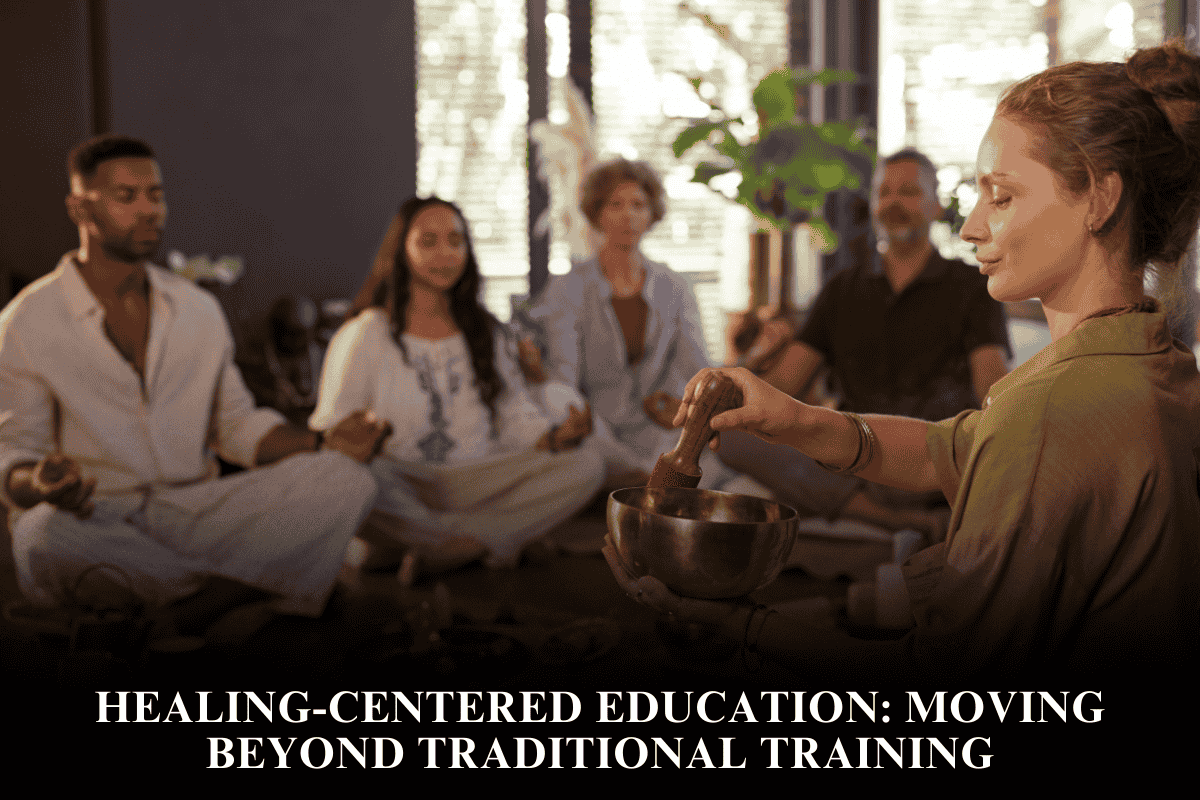
Healing-centered education shifts from deficit-focused trauma-informed models to a holistic approach emphasizing student agency, cultural identity, and community strengths for long-term well-being. Unlike traditional training that prioritizes symptom management, it integrates racial equity, relationships, and resilience-building into daily school practices. This framework supports academic success by addressing historical traumas like systemic injustice, fostering environments where students thrive as active participants.
Core Principles
Healing-centered schools center five components: equity, education on trauma, coping skills, supportive culture, and integrated supports. Relationships drive learning, with staff, families, and students as healers who repair trust through consistent validation and choice. It views well-being as integral to academics, using project-based learning and peer mediation to empower youth beyond passive recipients.
Beyond Trauma-Informed Care
Traditional methods pathologize harm, but healing-centered engagement adopts a resource orientation, focusing on repair, identity, and collective agency. It dismantles disengagement by leveraging community assets—parents, residents, partners—for personalized pathways that build hope and self-worth. Schools become safe spaces prioritizing racial justice, countering “social toxicity” with proactive wellness.
Implementation Strategies
Create high-quality conditions via mastery-based assessments, student-led initiatives, and family involvement for smooth transitions. Professional development equips educators as facilitators, while policies fund whole-child supports across early learning to high school. Outcomes include better social-emotional health, staff retention, and trust.
Healing-centered education reimagines schools as dynamic ecosystems for thriving, not just surviving.
FAQ
What defines healing-centered education?
A whole-child approach centering student wellness, agency, and equity to address trauma’s impacts on learning.
How does it differ from trauma-informed training?
Focuses on strengths, culture, and community healing rather than pathology or interventions.
What are key components?
Equity, awareness education, coping strategies, positive culture/climate, and integrated supports.
Why prioritize relationships?
Bonds foster safety, self-worth, and success; students feel valued and empowered.
How to implement in schools?
Use peer programs, personalized learning, family partnerships, and racial justice repairs.
What outcomes result?
Improved academics, hope, community connection, and staff/family wellness.