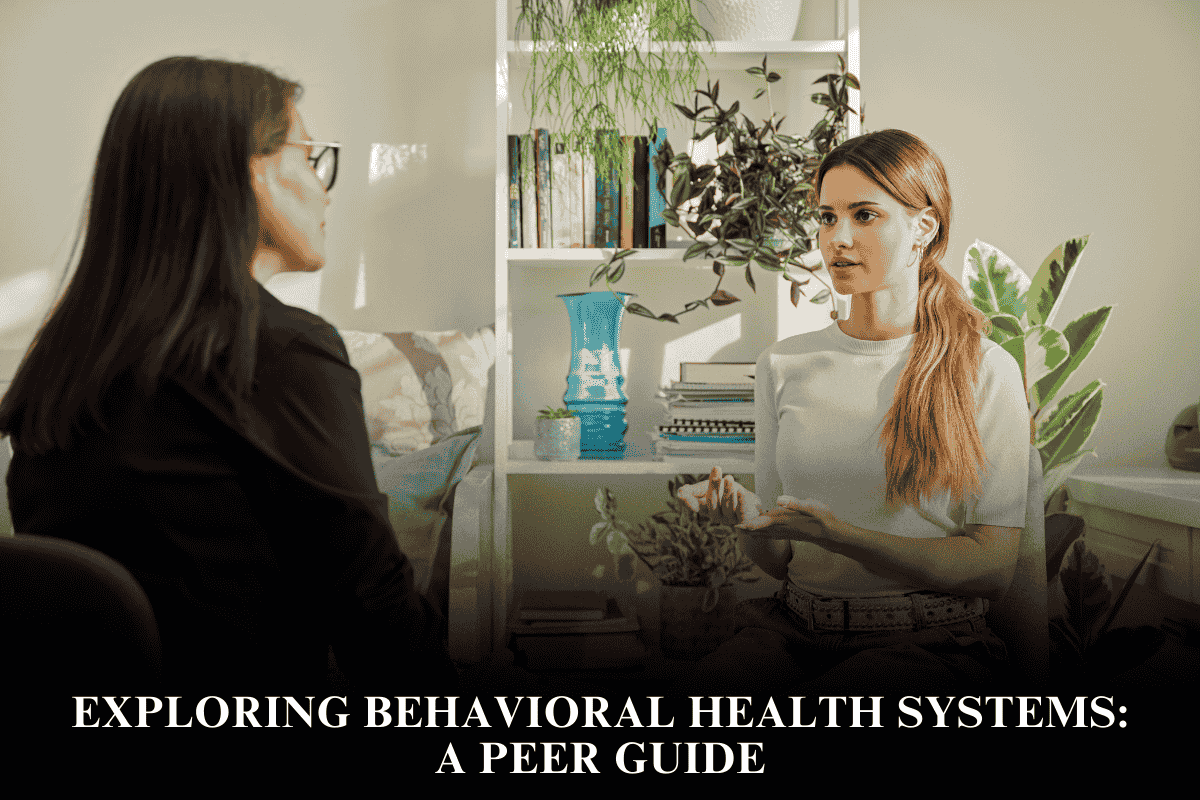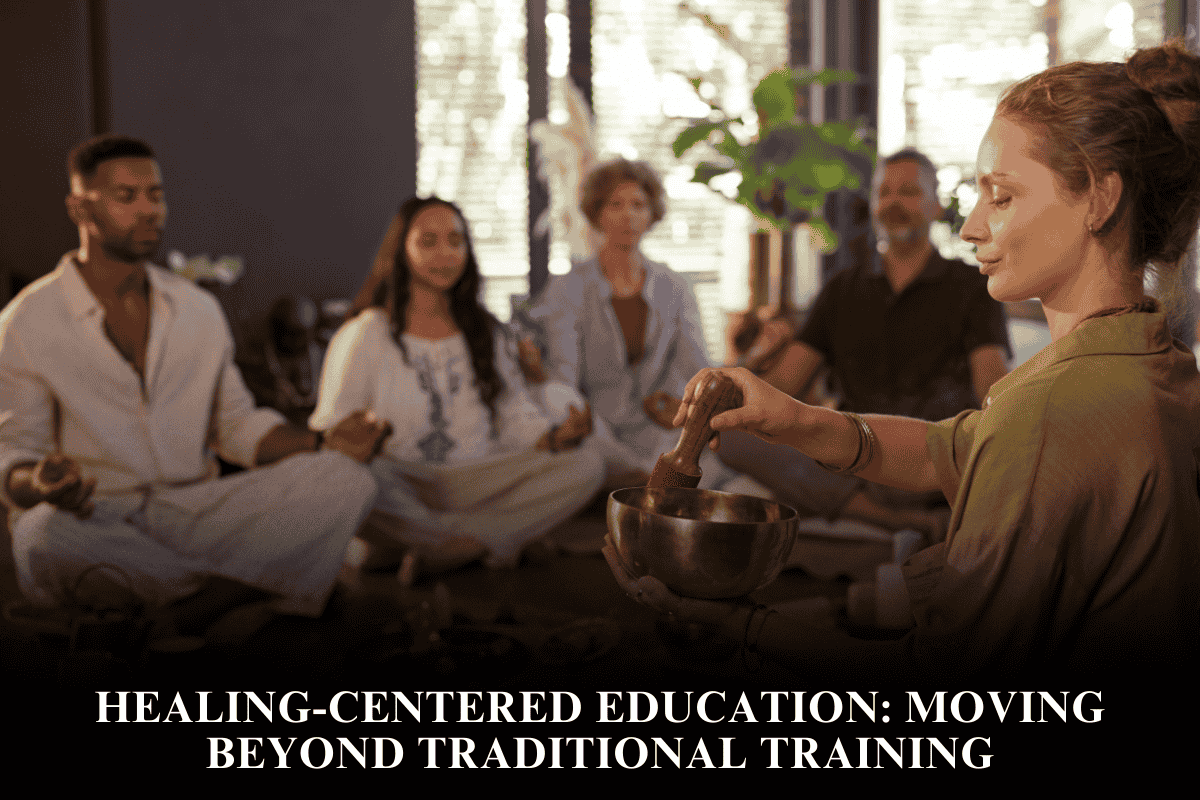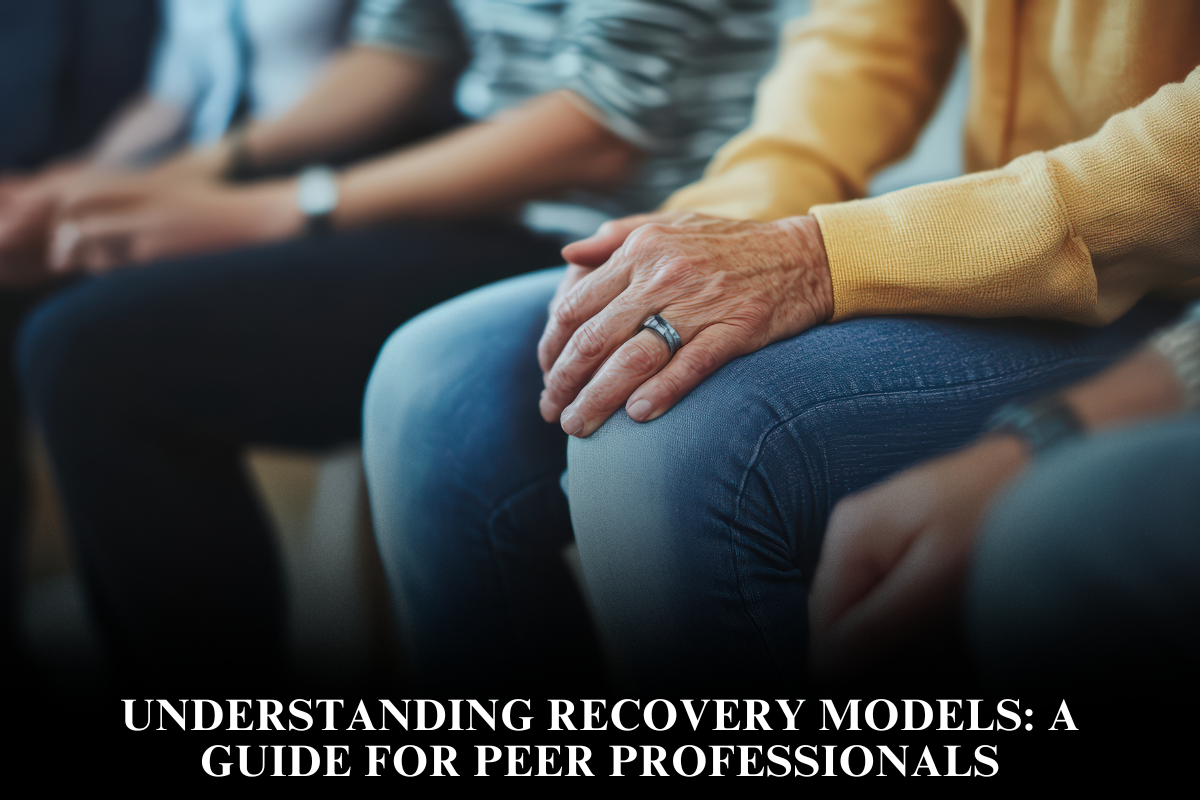
Storytelling is a powerful and transformative educational tool within recovery spaces, enabling individuals to process trauma, build resilience, and foster community support. By sharing personal narratives, participants find meaning in their experiences, reducing stigma and promoting healing.
Benefits of Storytelling in Recovery Education
- Emotional Processing and Healing:
Storytelling offers a safe outlet for individuals to express complex emotions tied to addiction, trauma, or mental health challenges. This verbalization aids in organizing memories, reframing experiences, and fostering catharsis essential for recovery. - Building Connection and Reducing Isolation:
Sharing stories creates empathy among peers, reinforcing a supportive community where individuals realize they are not alone in their struggles. The collective narrative strengthens bonds and accountability. - Empowerment and Identity Reconstruction:
Narrative therapy techniques help individuals externalize problems and reclaim agency by rewriting their stories to highlight strengths and growth, inspiring hope and self-confidence. - Education and Advocacy:
Storytelling raises awareness about addiction, mental health, and recovery possibilities, educating both participants and the public. Personal narratives counter misinformation and stigma, promoting informed dialogue. - Culturally Sensitive and Inclusive:
Storytelling respects diverse backgrounds and experiences, providing personalized learning that acknowledges cultural identity and social context.
Practical Ways to Integrate Storytelling
- Use creative mediums such as writing, art, performance, or digital storytelling.
- Employ guided prompts and reflective questions to facilitate deep sharing.
- Create group forums for narrative exchange that encourage active listening and feedback.
- Provide training for facilitators to handle sensitive stories ethically and supportively.
FAQ: Storytelling in Recovery Educational Spaces
Q: How does storytelling help in addiction recovery?
A: It helps individuals articulate experiences, process emotions, and build supportive peer connections.
Q: Can storytelling reduce stigma related to mental health?
A: Yes, personal stories foster understanding, dispel myths, and promote empathy within communities.
Q: Is storytelling appropriate for all types of recovery programs?
A: While widely beneficial, storytelling approaches should be tailored to individual and group needs, respecting trauma and cultural sensitivities.