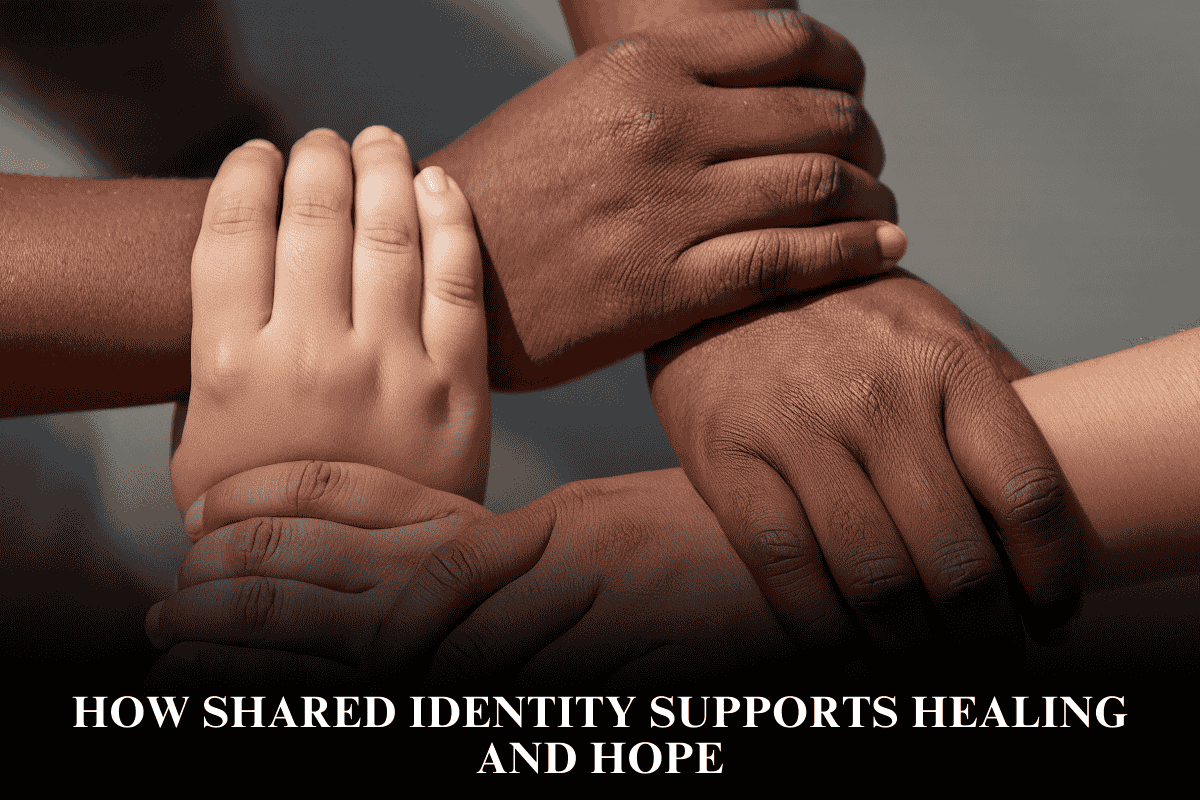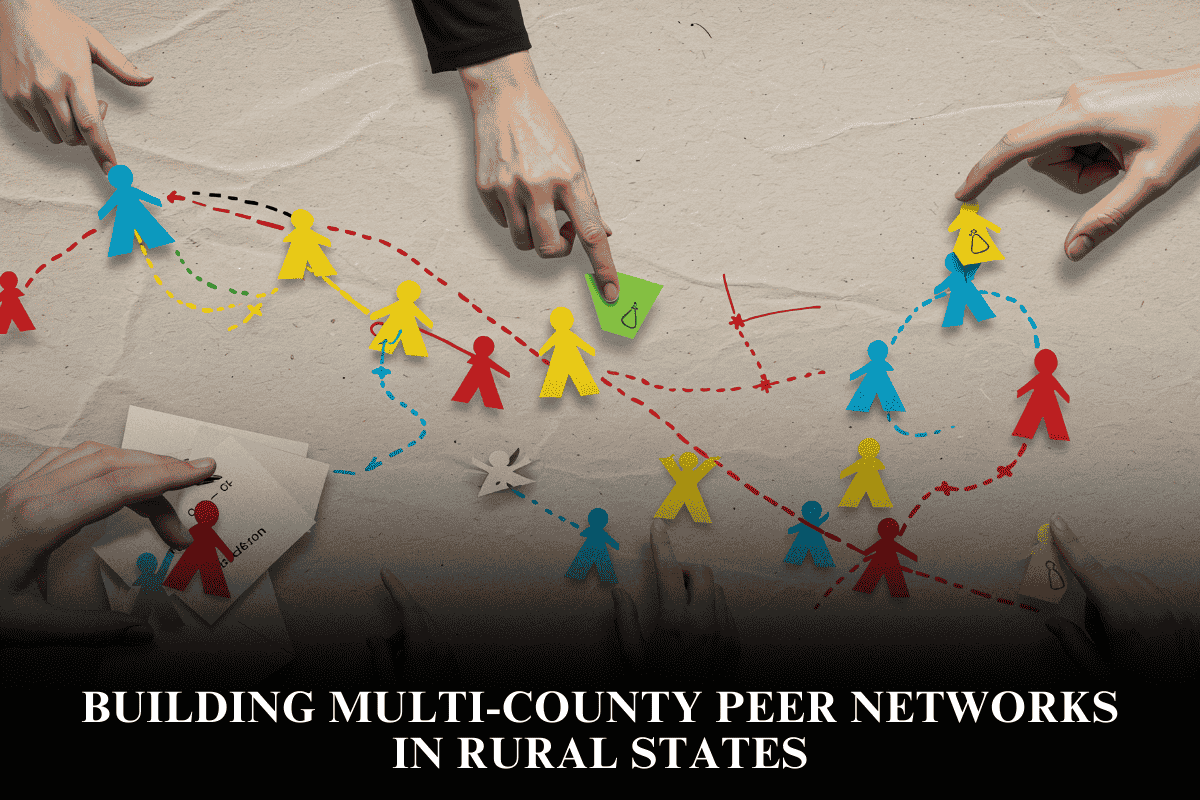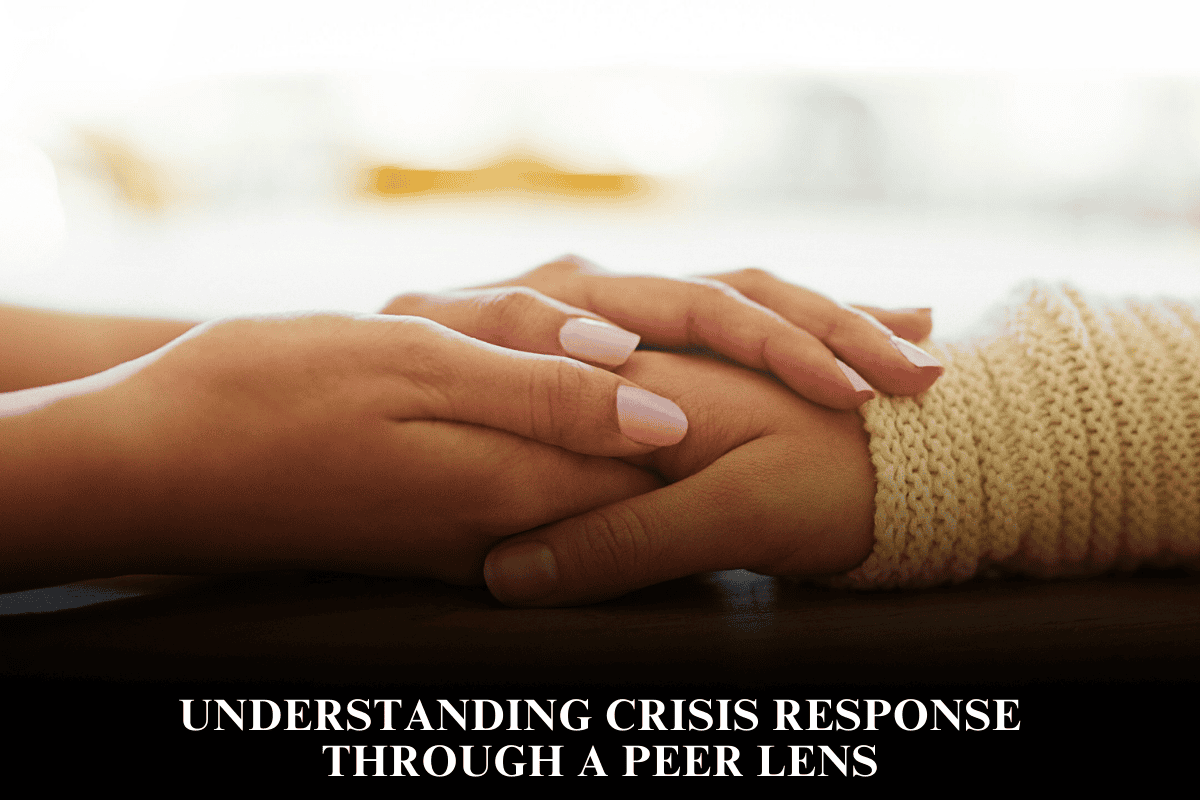
Understanding crisis response through a peer lens involves appreciating how teams and athletes collectively perceive and manage critical setbacks or emergencies. In football and sports more broadly, crisis situations such as sudden injuries, performance slumps, off-field scandals, or unexpected game developments require coordinated communication, trust, role clarity, and swift action. Teams that foster peer support systems and clear internal crisis communication achieve stronger resilience and collective problem-solving.
Crisis Response in Sports Teams
Crisis response teams in sports usually include representatives across key roles—players, coaches, public relations, medical staff, and management. Effective crisis management entails predefined roles, responsibilities, and communication channels so that all members know how to act and communicate in emergencies. The peer perspective is critical; trust and mutual understanding among athletes foster quick adaptation and emotional support during crises, minimizing performance and morale drops.
Importance of Communication and Role Clarity
Clear, consistent communication among team members shapes the crisis outcome positively. Informal peer relationships often supplement formal communication structures, enabling quicker information flow and emotional reassurance. Teams that regularly practice crisis communication, including social media and stakeholder messaging, maintain control over narratives and reduce speculation or misinformation. Role clarity within these peer structures ensures every member understands their unique contribution to crisis response, speeding effective coordination.
Proactive and Reactive Crisis Strategies
Teams must balance proactive planning—such as identifying risks, rehearsing emergency protocols, and establishing crisis playbooks—with reactive flexibility to adjust to the unpredictable nature of crises. Proactive crisis management includes monitoring potential triggers and developing a crisis communication team ready to act. Reactive strategies involve rapid response after a crisis begins, emphasizing timely updates and empathetic engagement with fans and stakeholders. Peer trust built through teamwork facilitates both anticipatory and reactive phases effectively.
Emotional and Psychological Peer Support
Athlete peers often provide critical emotional support that helps maintain team cohesion in crises. Shared experiences and empathy among team members enable them to manage stress, maintain confidence, and stay focused on recovery and performance goals. Coaches and leaders play a vital role in fostering an environment that encourages open peer dialogue and collective coping mechanisms.
FAQ
What is the role of peers in crisis response?
Peers offer emotional support, trust, and informal communication pathways that enhance team cohesion and crisis adaptability.
How do teams prepare for crises?
By establishing clear roles, creating crisis communication plans, practicing emergency protocols, and proactively monitoring risks.
Why is communication important in crisis management?
It prevents misinformation, ensures coordinated action, maintains stakeholder trust, and supports emotional reassurance.
What is the difference between proactive and reactive crisis management?
Proactive involves preparation and risk mitigation before a crisis, while reactive focuses on managing the crisis once it occurs with timely responses.
How can coaches support teams in crisis?
By promoting clear communication, reinforcing roles, encouraging peer support, and helping manage psychological stress.