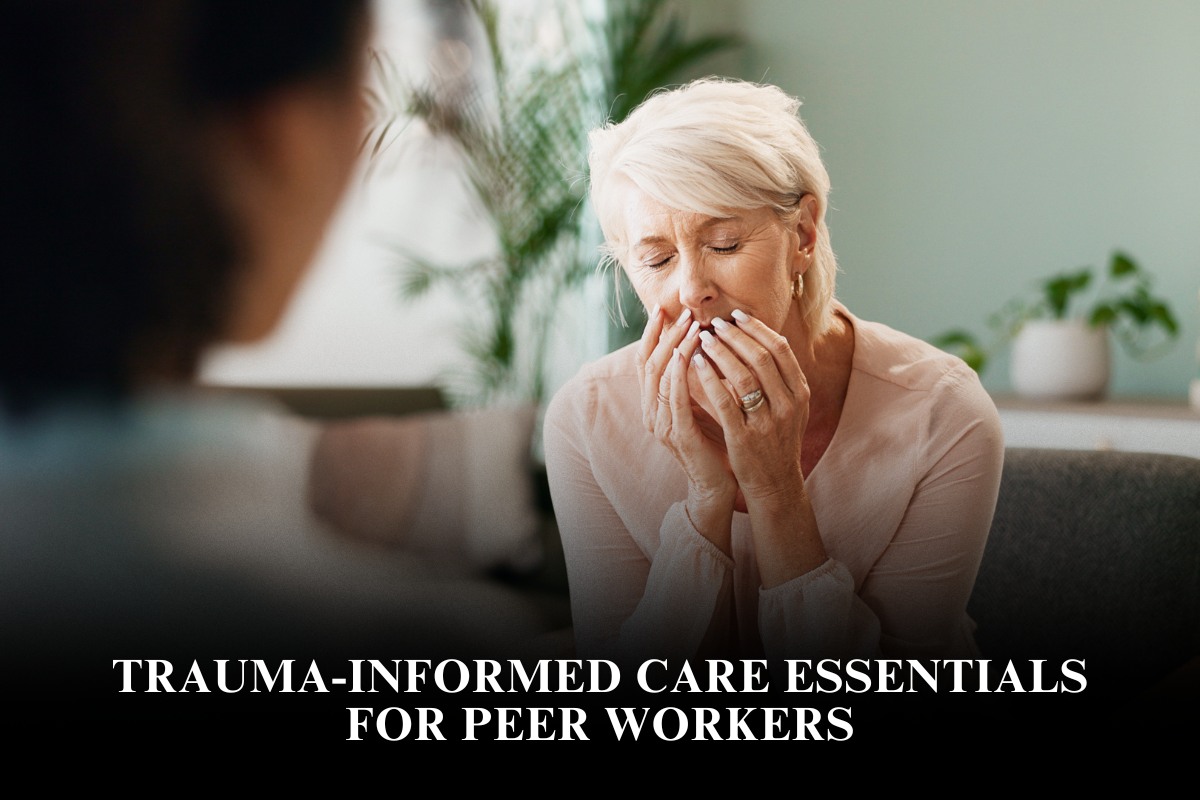
Trauma-informed care is a vital framework for peer workers in the mental health and substance use fields, supporting clients by recognizing the profound impact trauma has on individuals. This approach prioritizes emotional, physical, and psychological safety, empowerment, and recovery while promoting mutuality and respect. By integrating trauma-aware strategies, peer workers help people regain control, heal, and develop resilience.
Understanding Trauma-Informed Care
Trauma-informed care is founded upon realizing the widespread effects of trauma, recognizing its signs, and responding thoughtfully in everyday interactions. It requires peer workers to integrate knowledge about trauma into all policies and practices, actively working to avoid re-traumatization. The aim is to create environments where everyone feels safe, respected, and empowered to make choices about their own recovery.
Core Principles in Peer Practice
Six principles guide trauma-informed peer work:
- Safety: Establishing physical and emotional safety is paramount, offering a trustworthy environment for healing to occur.
- Trustworthiness and Transparency: Consistency and honesty in words and actions foster trust and transparency.
- Collaboration and Mutuality: Peer support is built on mutual learning, shared journeys, and working alongside—never “power over”—the person seeking help.
- Empowerment, Voice, and Choice: Peer workers support self-determination, encouraging survivors to make autonomous decisions, build on strengths, and regain control.
- Cultural, Historical, and Gender Sensitivity: Peer workers strive to understand the diverse backgrounds and barriers people face, connecting individuals to culturally relevant supports.
- Respect for Differences: Peer practice values the healing traditions and unique identities of individuals, fostering inclusive support.
Effective Techniques for Peer Workers
Peer workers create safe spaces by:
- Practicing reflective listening and motivational interviewing, which validates feelings and supports problem-solving.
- Offering options and information transparently, never making promises that cannot be kept.
- Modeling resilience by discussing healthy coping strategies, self-care routines, and respecting setbacks in recovery.
- Engaging in regular supervision and self-care to address vicarious trauma, burnout, and compassion fatigue that can arise from supporting others.
A trauma-informed approach requires ongoing education, humility, and a person-centered focus, ensuring clients are never pathologized or judged—rather their experiences are honored as sources of wisdom and strength.
Frequently Asked Questions
Q. How is trauma-informed care different from traditional care?
Trauma-informed care explicitly incorporates understanding of trauma’s impact, actively strives to prevent re-traumatization, and emphasizes safety and empowerment, unlike some traditional models that may overlook these needs.
Q. What should peer workers avoid in trauma-informed practice?
They should avoid diagnosing or “fixing,” minimize power imbalances, and never make promises they cannot keep, focusing instead on walking alongside and supporting self-determination.
Q. Why is mutuality so important in peer support?
Mutuality ensures both peer worker and client are learners, respecting setbacks and promoting shared growth. This builds trust and a culture where people feel seen and valued.
Q. How can peer workers protect their own well-being?
Regular supervision, reflective practice, and self-care strategies help peer workers manage vicarious trauma and fatigue, ensuring sustainable, compassionate support for others.
Q. How do peer workers handle cultural differences?
They stay humble, ask questions, honor cultural and historical barriers, and link individuals to recovery supports suited to their backgrounds, fostering inclusivity and respect.