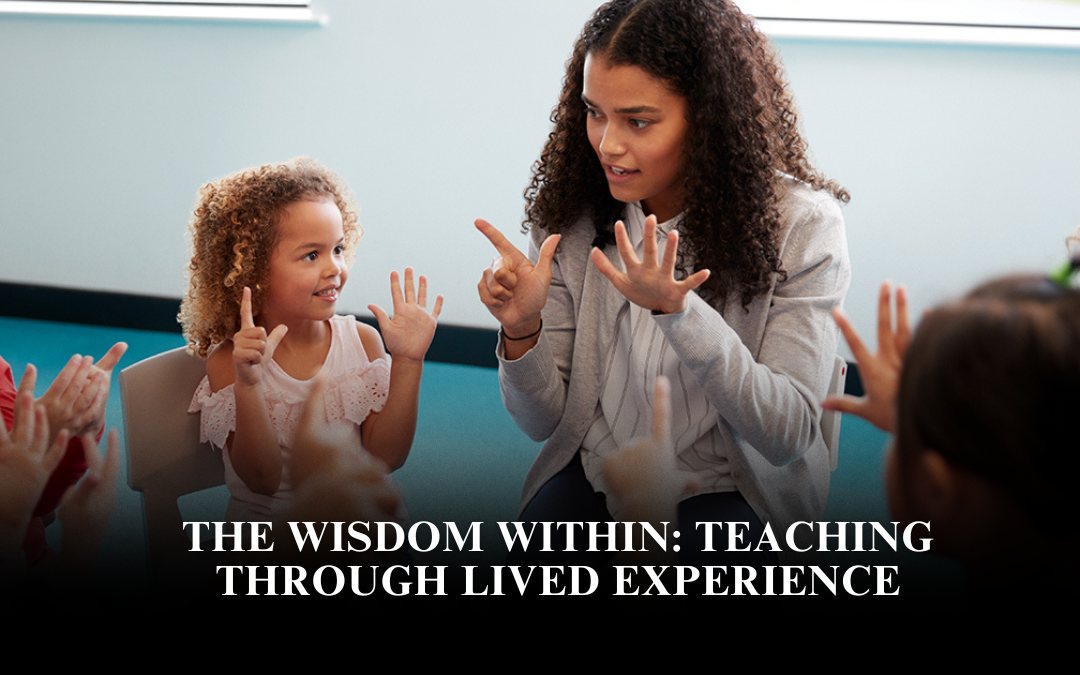
Teaching through lived experience, also known as experiential learning, is gaining recognition across the United States as a powerful educational approach.
This method moves beyond traditional classroom instruction by emphasizing hands-on, reflective learning that draws from personal and community experiences.
It fosters deeper engagement, critical thinking, and a richer understanding of content by connecting academic concepts to real-world contexts.
What Is Experiential Learning?
Experiential learning involves learners actively participating in meaningful experiences followed by reflection to extract lessons and insights. It is a cycle where doing and reflecting build knowledge and skills more effectively than passive listening.
Activities vary widely, including role-playing, simulations, community projects, internships, and problem-solving challenges. This approach values the wisdom individuals bring from their backgrounds and encourages applying that knowledge dynamically.
Benefits of Lived Experience Teaching
Teaching through lived experience supports multiple dimensions of learning. It increases retention and application of knowledge by linking theory with practice. Learners develop critical thinking, problem-solving, collaboration, and communication skills essential for workforce success.
Additionally, experiential learning promotes inclusivity by honoring diverse perspectives, backgrounds, and cultures, which enrich the learning environment and foster empathy and social awareness.
Implementation in Schools and Universities
Schools and universities are increasingly integrating experiential learning into curricula through project-based learning, service activities, internships, and study abroad programs.
For example, Arizona State University offers courses with employer-led projects that help students gain real-world experience while developing professional networks.
At the K-12 level, teachers use simulations, role-playing, and community engagement projects to make learning relevant and student-centered.
Challenges and Opportunities
Despite its benefits, experiential learning faces some challenges. These include ensuring equitable access, maintaining curriculum alignment, providing teacher training, and addressing resource constraints.
Technology can be both an enabler and a barrier, as digital tools expand access but also highlight disparities in connectivity and devices. Successful programs are intentionally designed to be inclusive, developmentally appropriate, and aligned with learning goals.
FAQs
What is teaching through lived experience?
It is an educational approach emphasizing learning through direct, meaningful experiences combined with reflection. This method connects academic content to real-life contexts and personal insights.
How does experiential learning benefit students?
It improves engagement, retention, and critical thinking by allowing students to apply knowledge practically. It also fosters skills like collaboration, communication, and adaptability while honoring diverse perspectives.
Where is experiential learning used in education?
Experiential learning is used from K-12 schools to higher education and corporate training. It includes activities such as community projects, internships, simulations, and employer-led research projects.
What challenges do educators face implementing this method?
Challenges include ensuring equitable access to experiences, aligning activities with standards, training educators, and overcoming technological and resource barriers.
How can schools promote effective experiential learning?
By providing professional development for teachers, integrating experiential projects with curricula, securing resources, leveraging technology thoughtfully, and designing inclusive, student-centered activities.