Teaching hope through peer support plays a transformative role in education by nurturing motivation, resilience, and social connection. When students share their learning journeys, experiences, and challenges, peers become powerful facilitators of hope that inspires sustained effort and academic success. This shared experience builds a collaborative learning environment where optimism, encouragement, and mutual support thrive.
How Peers Facilitate Learning and Hope
Creating a Supportive Environment
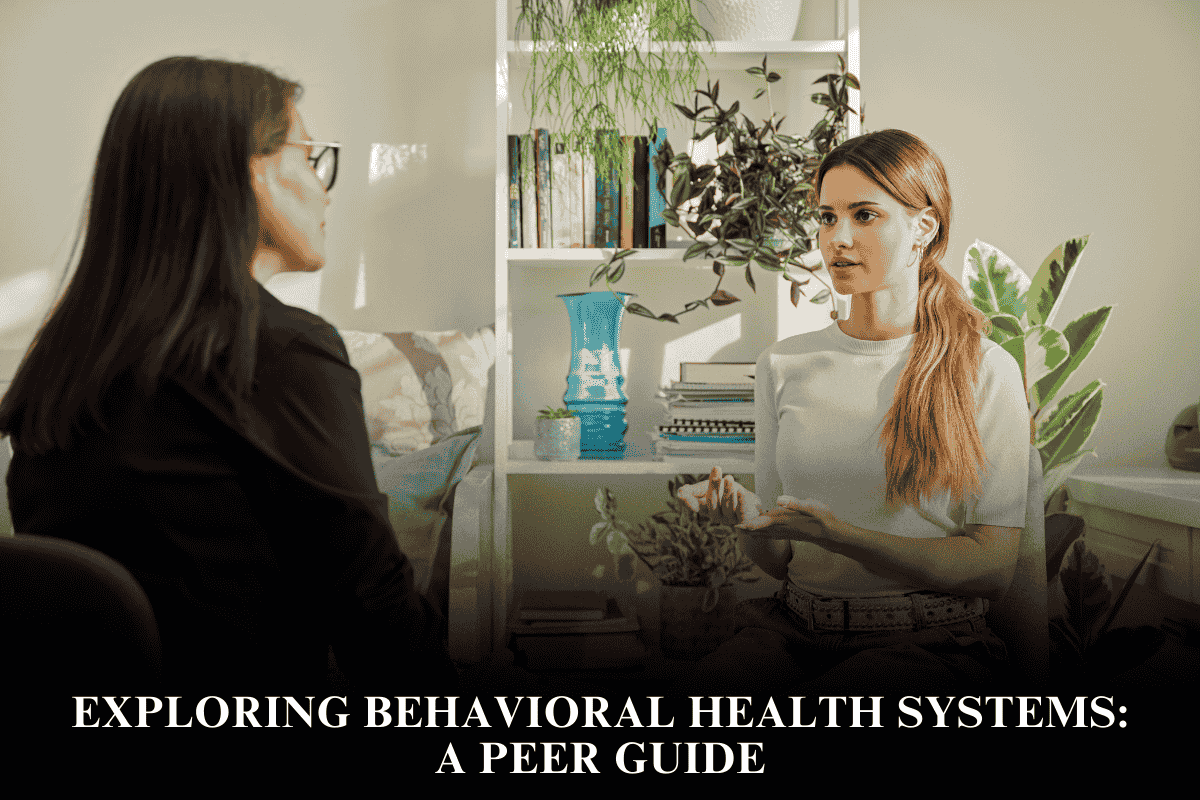
Peer teaching shifts the educational focus from a hierarchical teacher-led model to a collaborative, student-centered environment. Students feel more comfortable expressing doubts and exploring concepts among peers who empathize with their challenges. This inclusive atmosphere promotes belonging and reduces feelings of isolation, creating fertile ground for hope and growth.
Boosting Confidence and Autonomy
Engaging in peer support empowers learners to take ownership of their education. As students explain concepts to one another, they consolidate their understanding and develop self-efficacy. Witnessing peers overcome difficulties fosters confidence that challenges can be managed, reinforcing hope that academic goals are attainable.
Enhancing Motivation and Engagement
Research highlights that perceived peer support positively influences intrinsic and extrinsic motivation, learning satisfaction, and engagement while reducing test anxiety. Social connections made through peer learning act as motivational fuel, encouraging persistence even during setbacks. Hope acts as a psychological resource enabling learners to set clear goals, maintain self-belief, and adapt strategies when faced with academic pressure.
Developing Critical Thinking and Collaboration Skills
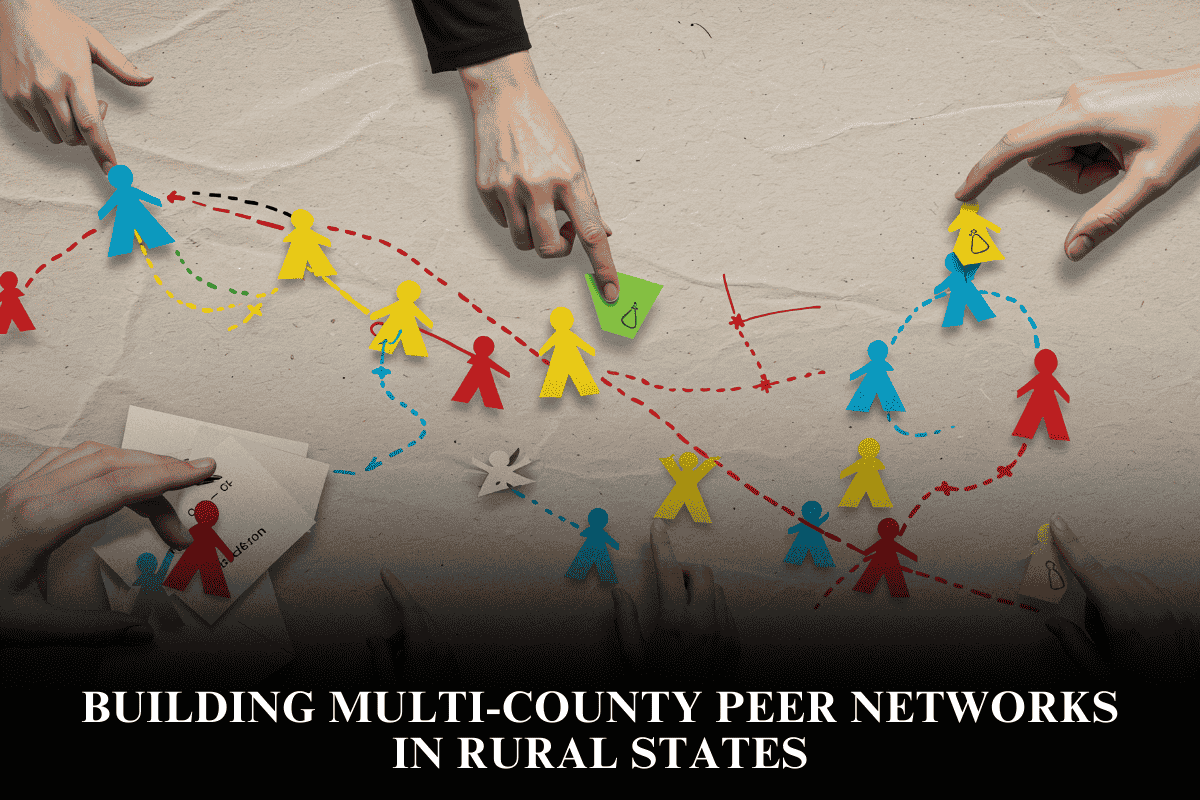
Peer learning encourages students to engage critically with subject matter by explaining, debating, and problem-solving collectively. These interactions build vital communication and teamwork skills that are valuable academically and socially. Sharing diverse viewpoints broadens understanding and nurtures an optimistic, open mindset essential for lifelong learning.
Role of Structured Peer Support Programs
Structured peer support initiatives such as peer-led workshops, study groups, and mentorship programs have demonstrated efficacy in fostering academic hope and positive learning attitudes. These platforms facilitate emotional and academic assistance, helping to mitigate stress and enhance adjustment to academic demands.
FAQ
How do peers help teach hope in learning?
Peers provide encouragement, shared experiences, and role modeling that inspire motivation and resilience.
Can peer support improve academic performance?
Yes, peer support boosts motivation, engagement, and learning satisfaction, contributing to better outcomes.
Why do students feel more comfortable learning with peers?
Peers share similar challenges, creating empathy and a safe space for open communication.
What skills do students gain from peer learning besides academic knowledge?
They develop communication, collaboration, critical thinking, and problem-solving skills.
Are peer support programs effective for all learners?
Structured peer learning supports diverse learners by catering to individual needs and fostering inclusion.