In today’s rapidly changing world, the power of community-driven learning has never been more vital. From Chicago to Los Angeles, people are embracing new ways of sharing knowledge—and in doing so, they’re also sharing hope.
At the heart of this transformation is the International Peer Network (IPN), a platform built around one simple but profound idea: learning together creates stronger, more connected communities.
IPN isn’t just about gaining new skills; it’s about cultivating a global ecosystem where every participant contributes to a shared mission of growth. Picture a student in Brooklyn chatting with a professional in Phoenix—each learning, teaching, and supporting the other.
Across thirty major U.S. metro areas, adult learners are turning to IPN to supplement traditional education. A recent survey found that nearly 45% of American adults have participated in at least one peer-to-peer or online learning community in the past year. This reflects a deep truth: people don’t just crave information—they crave connection.
Building Knowledge, One Conversation at a Time
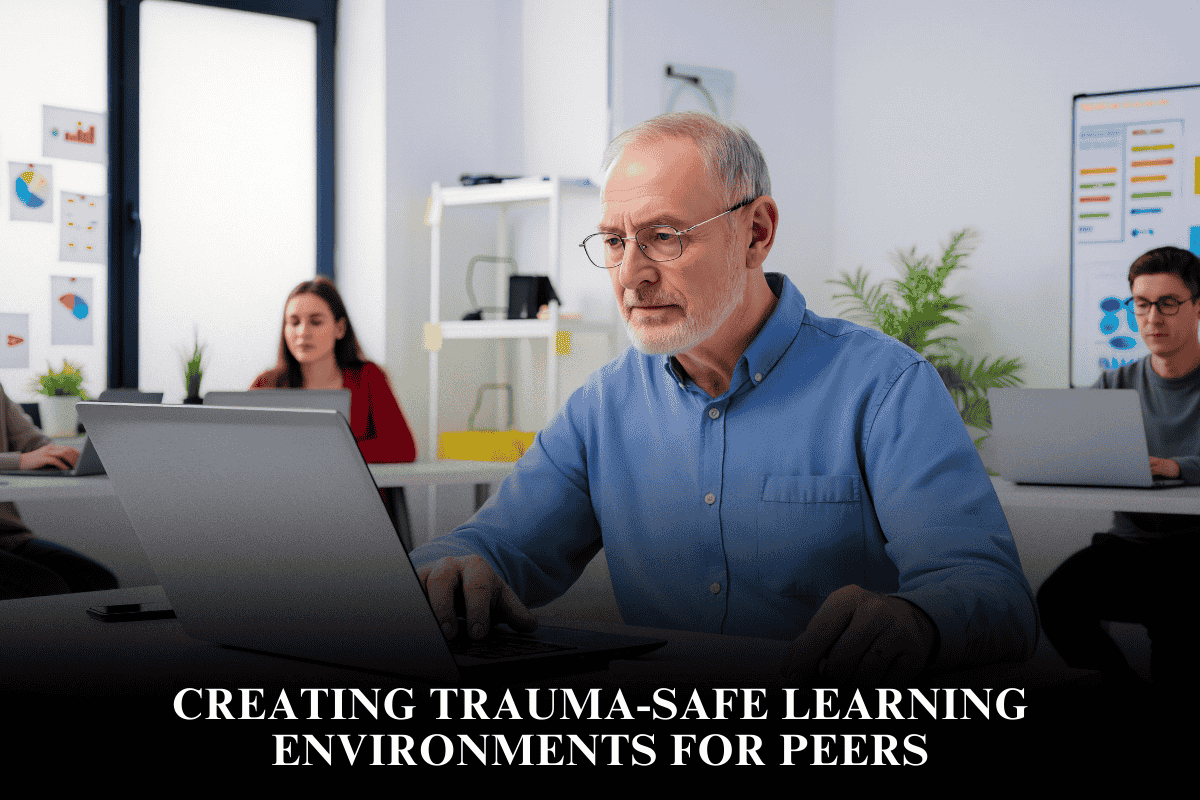
From Seattle to Houston, IPN members are redefining what it means to learn. A veteran graphic designer mentoring a new graduate, a group of retired engineers teaching coding to entrepreneurs—these aren’t isolated moments; they’re part of a nationwide wave of collective learning.
IPN organizes topic-driven hubs on subjects ranging from sustainable agriculture to artificial intelligence, connecting members from Boise to San Francisco. Each hub thrives on one core principle: every learner is also a teacher.
Research backs this approach—individuals who teach what they learn retain up to 90% more information than those who passively consume it. In places like Atlanta and Denver, IPN’s peer-led workshops put this philosophy into practice.
Whether participants are building community gardens or launching podcasts, they’re not just learning—they’re creating, experimenting, and evolving together.
Hope Through Collective Growth
When knowledge is shared freely, hope multiplies. For rural towns across the Midwest, where access to specialized courses may be limited, IPN bridges the gap.
Learners in Des Moines or Wichita now join the same discussions happening in Boston or San Diego. This democratization of education sends a powerful message: you belong, your ideas matter.
In New York City, immigrant entrepreneurs use IPN to exchange business insights, discuss marketing strategies, and build networks of mutual empowerment. In Miami, high school teachers collaborate through the network to design culturally relevant lesson plans for diverse classrooms.
These examples show that when people learn together, they do more than gain knowledge—they build futures.
Hope emerges not just from progress, but from partnership. As people connect across geographies and backgrounds, they create shared purpose—and in doing so, they restore faith in what’s possible.
The Ripple Effect of Shared Learning
The impact of IPN and similar peer-learning movements extends beyond individual transformation. Communities become stronger, innovation flourishes, and local economies thrive.
Research shows that regions with active learning networks experience higher volunteerism, entrepreneurship, and civic engagement.
In Dallas, IPN members host “hack salons” in coworking spaces, where local nonprofits pose real-world challenges for teams of volunteers to solve. Coders, designers, and writers collaborate, offering creative solutions while building their own skills.
It’s a cycle of mutual benefit: nonprofits gain resources, learners gain experience, and communities gain resilience.
Each shared lesson sparks another—knowledge, like hope, ripples outward. From small projects to systemic change, the effects are measurable and lasting.
Conclusion: Learning as a Force for Hope
Learning through IPN is not confined to coursework or certificates—it’s about belonging to a living network of curiosity and care. Across the United States, from Portland to Philadelphia, IPN proves that when people learn together, they grow stronger together.
The model succeeds because it’s deeply human. It acknowledges that wisdom isn’t locked in institutions—it’s distributed among people, waiting to be shared. When we open ourselves to collective learning, we don’t just gain skills; we build empathy, resilience, and shared hope.
Wherever you are—New Orleans, Minneapolis, or Los Angeles—your story, your knowledge, and your willingness to connect matter. Because when we learn together, we don’t just educate minds; we ignite possibility.
FAQs
1. What is the International Peer Network (IPN)?
The International Peer Network is a community-based learning platform that connects people across locations and disciplines to learn, teach, and collaborate through shared experience.
2. How does IPN differ from traditional education?
Unlike traditional models, IPN promotes peer-to-peer learning—everyone is both a student and a teacher. Learning is interactive, collaborative, and rooted in real-world application.
3. Who can join the International Peer Network?
Anyone—from students to professionals, retirees, and community organizers—can join. IPN welcomes learners from all backgrounds and fields of interest.
4. What are the benefits of joining IPN?
Members gain access to workshops, mentorship opportunities, global connections, and hands-on projects while developing confidence, skills, and a sense of belonging.
5. How does IPN promote hope and empowerment?
By connecting individuals through learning, IPN fosters community resilience, shared purpose, and collective optimism—proving that knowledge shared is hope multiplied.