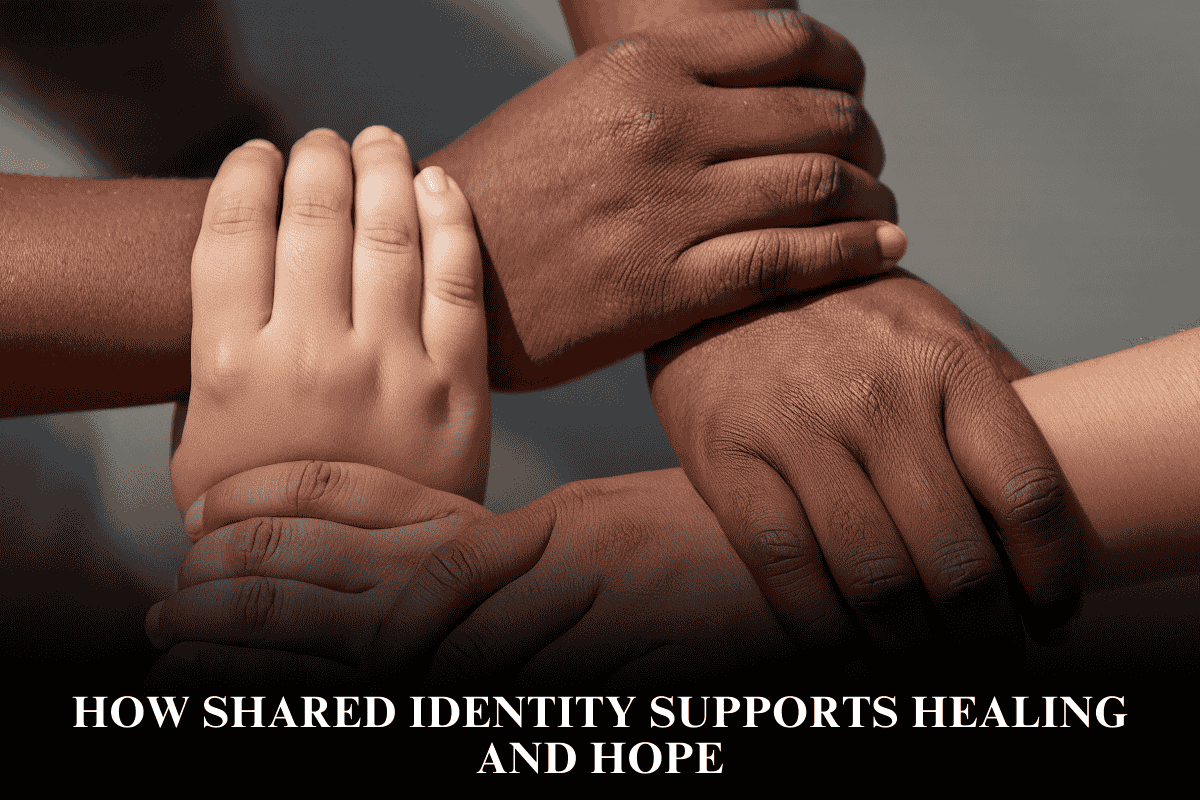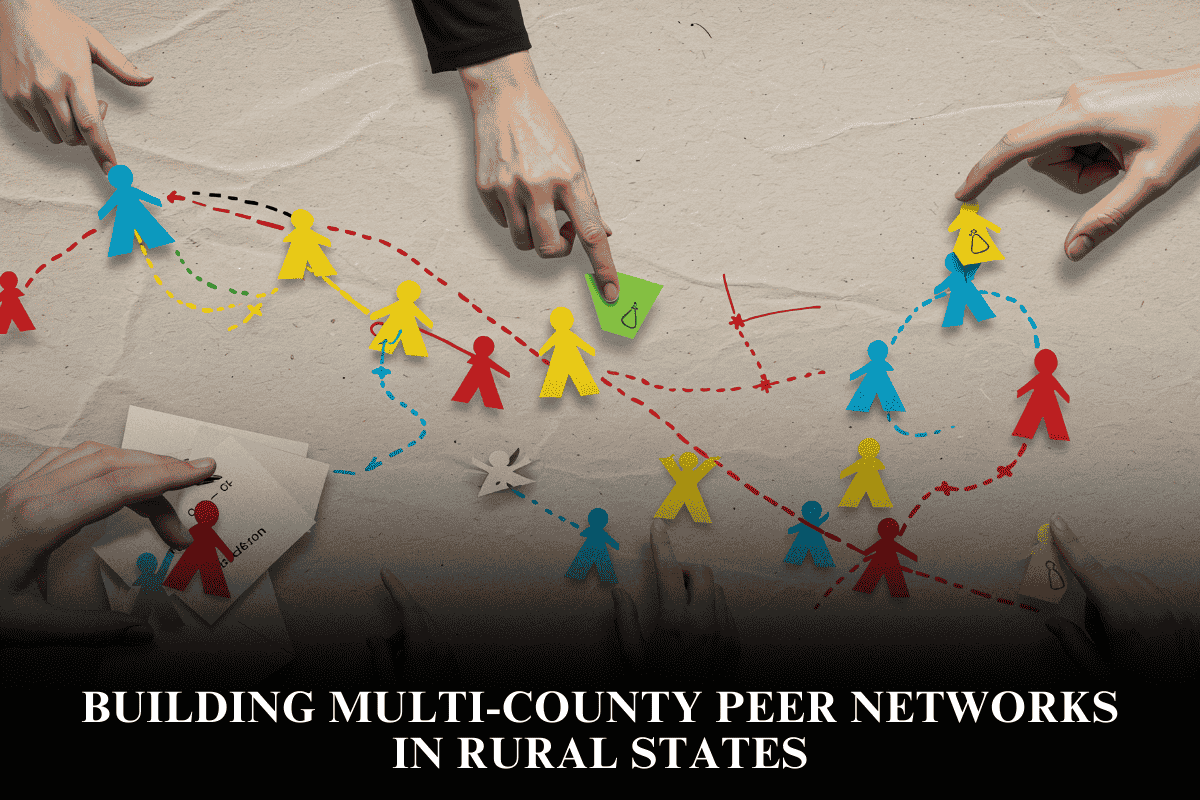
Collaborative learning, an educational approach where students and educators share knowledge and work together, fosters significant growth—both academically and socially. In the United States, this method is increasingly recognized for its ability to deepen understanding, enhance skills, and build supportive learning communities.
Enhancing Academic Achievement and Critical Thinking
Collaborative learning actively engages students in discussion, problem-solving, and exploration of diverse perspectives. By working in groups, students not only retain information better but also enhance their critical thinking and analytical reasoning skills.
Studies show that students involved in collaborative learning outperform peers in comprehension and application of knowledge, fostering a more profound understanding of course material beyond rote memorization.
Fostering Social and Interpersonal Skills
One of the pivotal benefits of shared learning is the development of social competence. Collaborative environments encourage active listening, empathy, effective communication, and conflict resolution.
Through teamwork, students experience diverse viewpoints and cultures, nurturing inclusivity and respect, which are critical for personal growth and future professional success.
Promoting Diversity and Inclusion
Collaboration naturally brings together learners from various backgrounds, allowing diverse ideas and perspectives to flourish. This diversity broadens students’ horizons, fosters open-mindedness, and promotes global awareness.
Such inclusivity helps students feel valued and confident, creating a learning atmosphere where every voice matters.
Building Motivation, Engagement, and Real-World Skills
Group learning transforms passive study into active participation. Students become more motivated and committed as shared goals and accountability create a vibrant, engaging environment.
Moreover, collaboration helps develop real-world skills such as leadership, self-management, and teamwork, better preparing students for academic and workplace success.
Supporting Educators and School Communities
Collaborative teaching among educators brings multiple strengths and innovations to the classroom. Sharing expertise and strategies promotes professional growth and improves instructional quality.
This teamwork enhances school culture, problem-solving, and ultimately benefits student learning outcomes.
FAQs
What is collaborative learning in education?
Collaborative learning is an instructional approach where students work together in groups to discuss concepts, solve problems, and share knowledge, promoting deeper understanding and skill development.
How does collaborative learning benefit students academically?
It improves comprehension, critical thinking, problem-solving abilities, and knowledge retention by encouraging active engagement and diverse perspectives.
Does collaborative learning help develop social skills?
Yes. It fosters communication, empathy, teamwork, and conflict resolution skills essential for personal and professional life.
How does collaboration promote inclusivity?
By bringing people from diverse backgrounds together, it nurtures open-mindedness, respect, and global awareness, making all participants feel valued.
How do teachers benefit from collaborative approaches?
Educators enhance their practices through shared knowledge, professional growth, and collective problem-solving, leading to a stronger school community and improved student engagement.