Collaborative learning is gaining recognition as a powerful approach in education that not only boosts academic success but also fosters emotional healing and social growth.
In this model, students and educators work together, creating a dynamic environment where learning becomes a shared journey.
Especially in the United States, this approach supports diverse classrooms and contributes to resilience and wellness, helping everyone involved heal and grow stronger collectively.
Benefits of Collaborative Learning
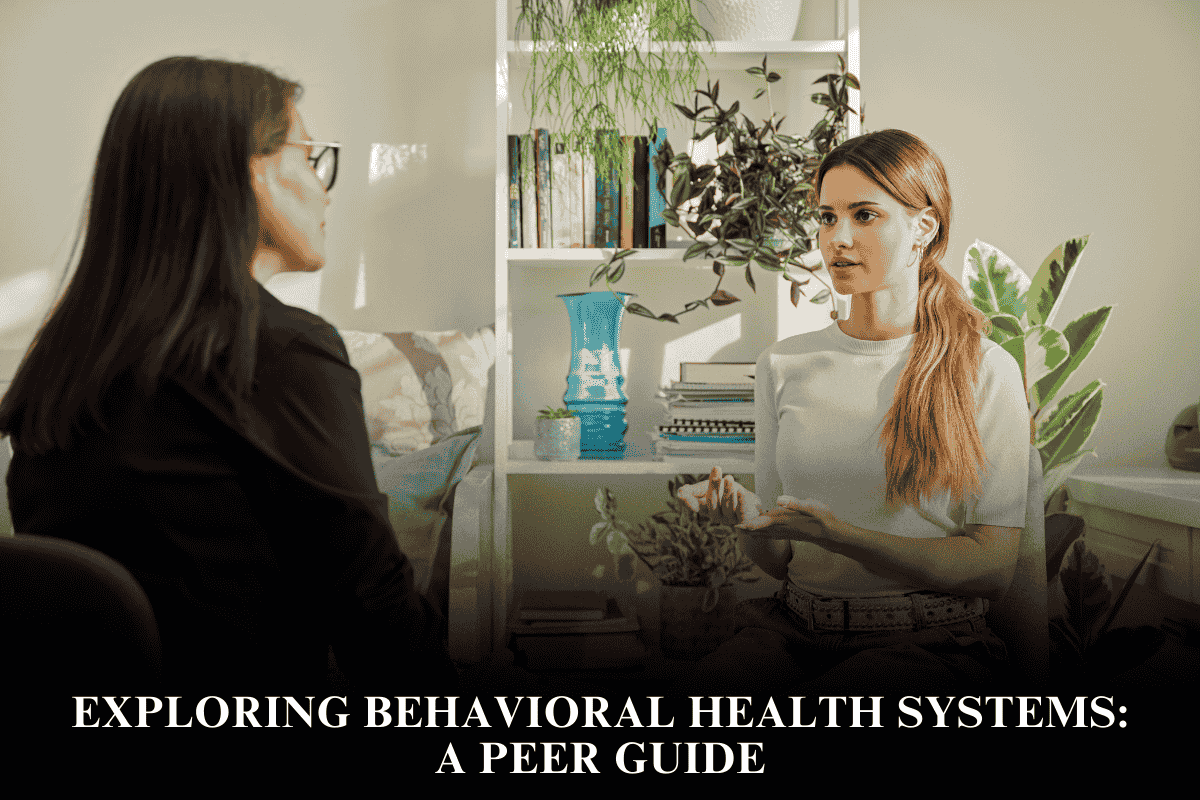
Collaborative education transforms traditional classrooms by encouraging students to work in small groups or pairs. This method enhances critical thinking through open dialogue, debates, and problem-solving activities.
Students are exposed to diverse perspectives, which deepens their understanding and appreciation of different cultures and ideas. Such interaction also improves essential social skills like empathy, communication, and respect.
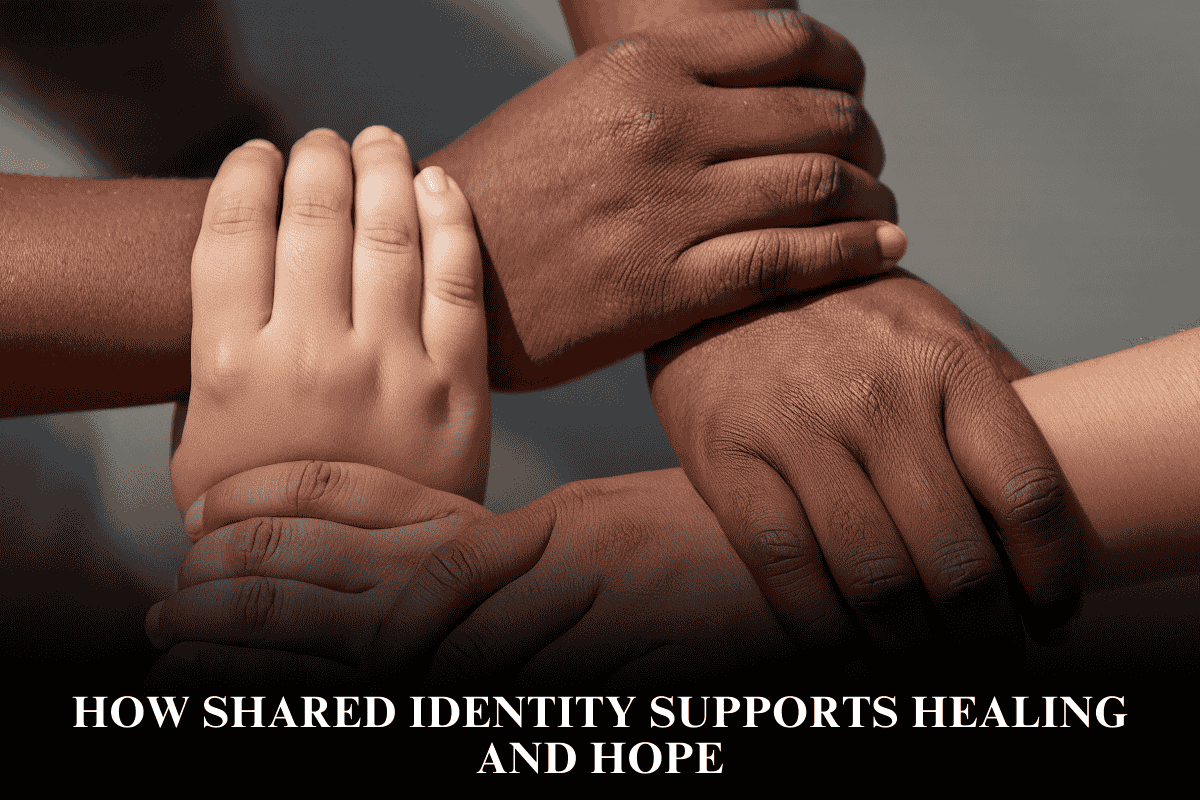
Psychologically, collaborative learning promotes motivation and engagement. The shared goals and accountability empower students, boosting confidence and the ability to manage challenges together. These emotional benefits contribute to healing by creating supportive peer networks where students feel valued and heard.
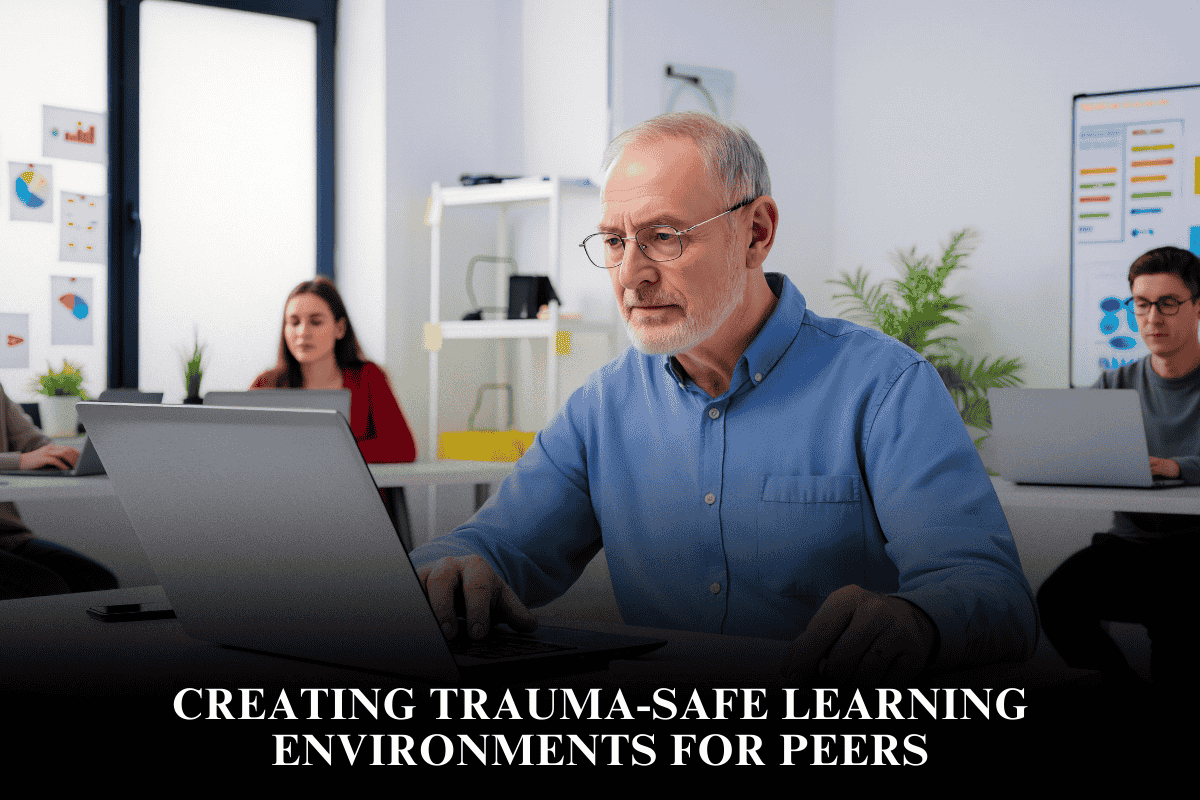
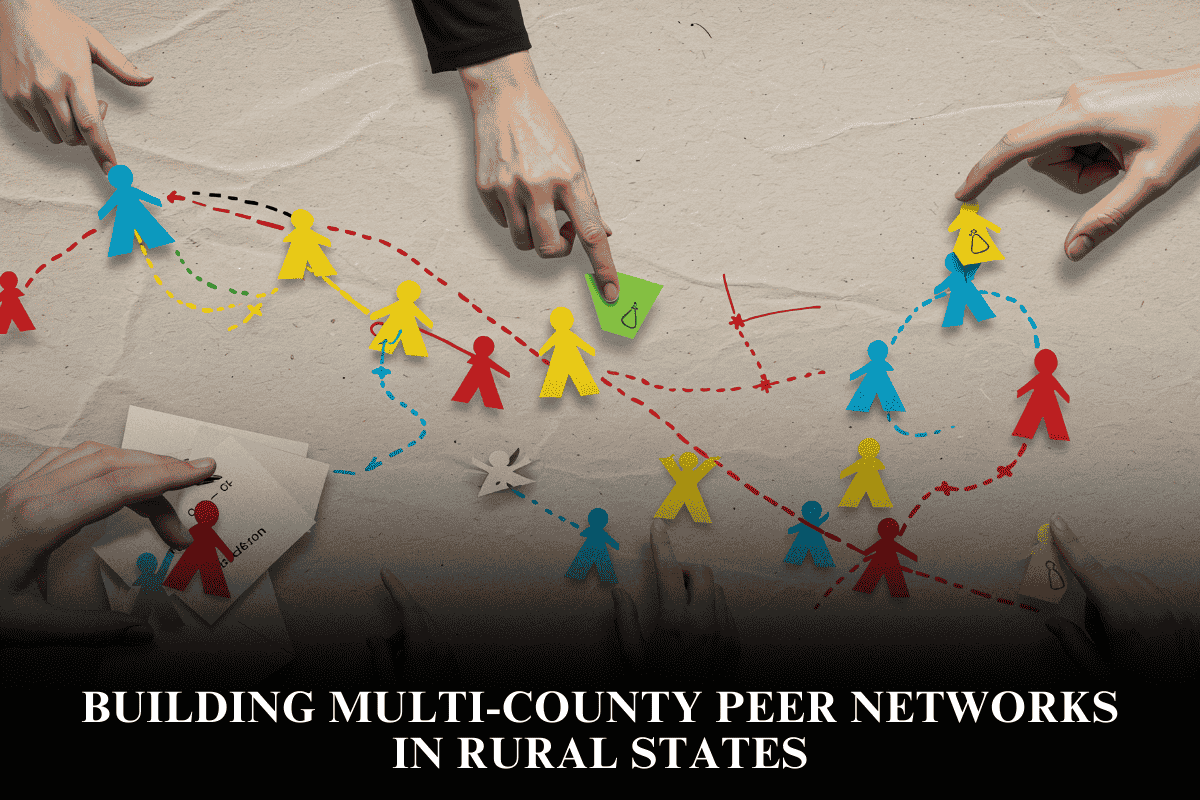
Technology strengthens collaborative education by connecting learners beyond physical classrooms. Platforms like Google Classroom and Zoom facilitate real-time collaboration, expanding opportunities for interaction regardless of geographical boundaries.
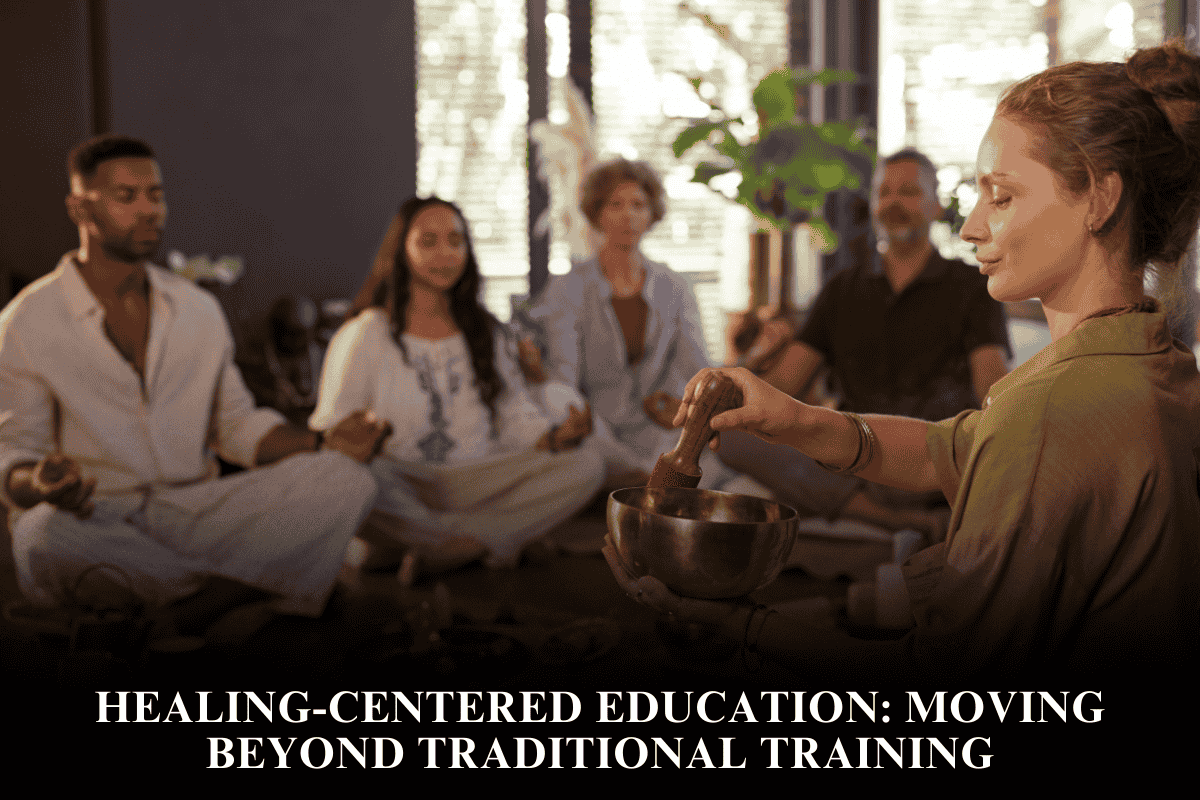
This accessibility further promotes inclusion, making learning a collective healing process that embraces diverse backgrounds and experiences.
Applications in Education and Healing
Schools implementing collaborative learning see improvements in both student achievement and emotional well-being. The teamwork involved fosters a sense of belonging and mutual support.
Importantly, it equips students with lifelong skills such as teamwork, leadership, and resilience that extend beyond academics into personal growth and healing from social or emotional setbacks.
Educators also benefit by sharing expertise and strategies, fostering a positive school culture that models cooperation and continual improvement. This collective effort nurtures an environment where learning and healing are intertwined, producing both academic progress and stronger interpersonal relationships.
Frequently Asked Questions (FAQs)
What is collaborative learning in education?
Collaborative learning is an educational approach where students work together in groups or pairs to deepen understanding through discussion, problem-solving, and shared projects.
How does collaborative learning promote healing?
It builds supportive relationships and emotional resilience by fostering empathy, communication, and a sense of community, helping learners navigate social and emotional challenges.
Why is technology important in collaborative learning?
Technology enables real-time communication and resource sharing, allowing diverse and geographically dispersed students to collaborate effectively, increasing inclusion and engagement.
What are the key benefits of collaborative learning for students?
Students gain enhanced critical thinking, social skills, motivation, confidence, and exposure to diverse perspectives, all contributing to academic success and emotional well-being.
How does collaborative learning impact educators?
It encourages professional growth through shared expertise and fosters a positive, cooperative school culture focused on continuous improvement.