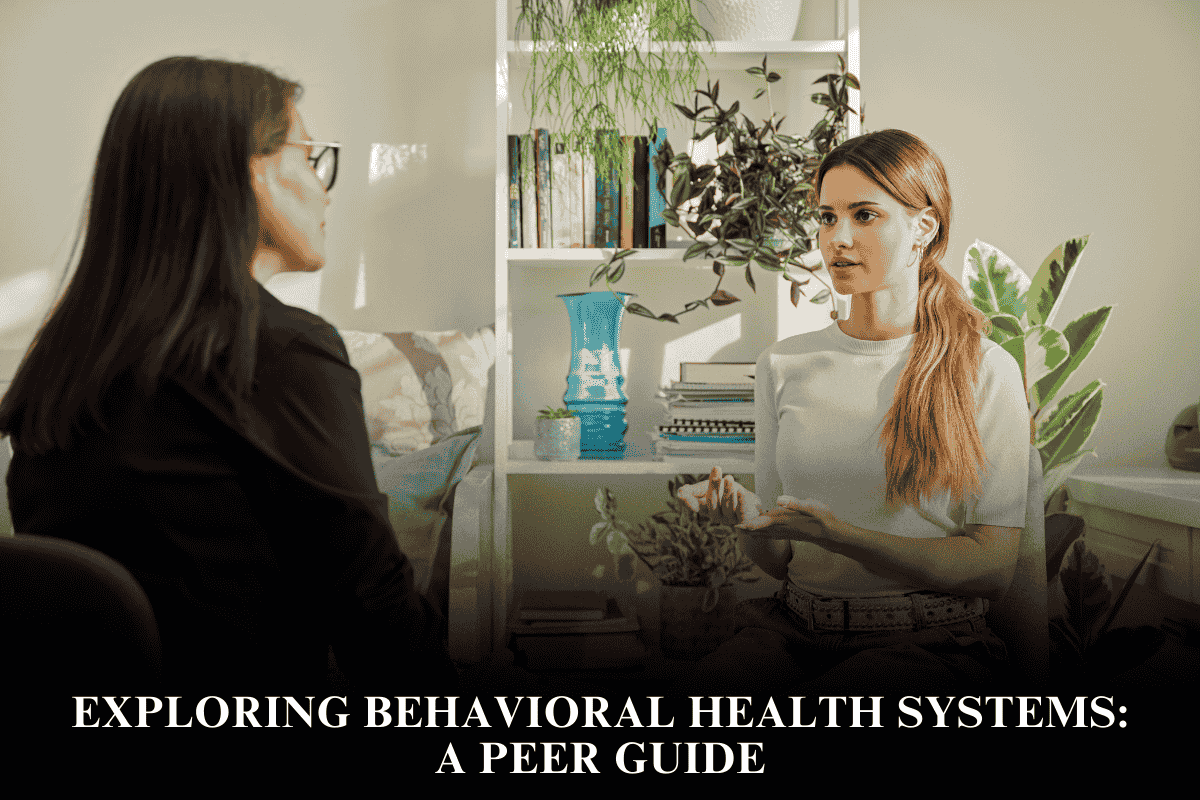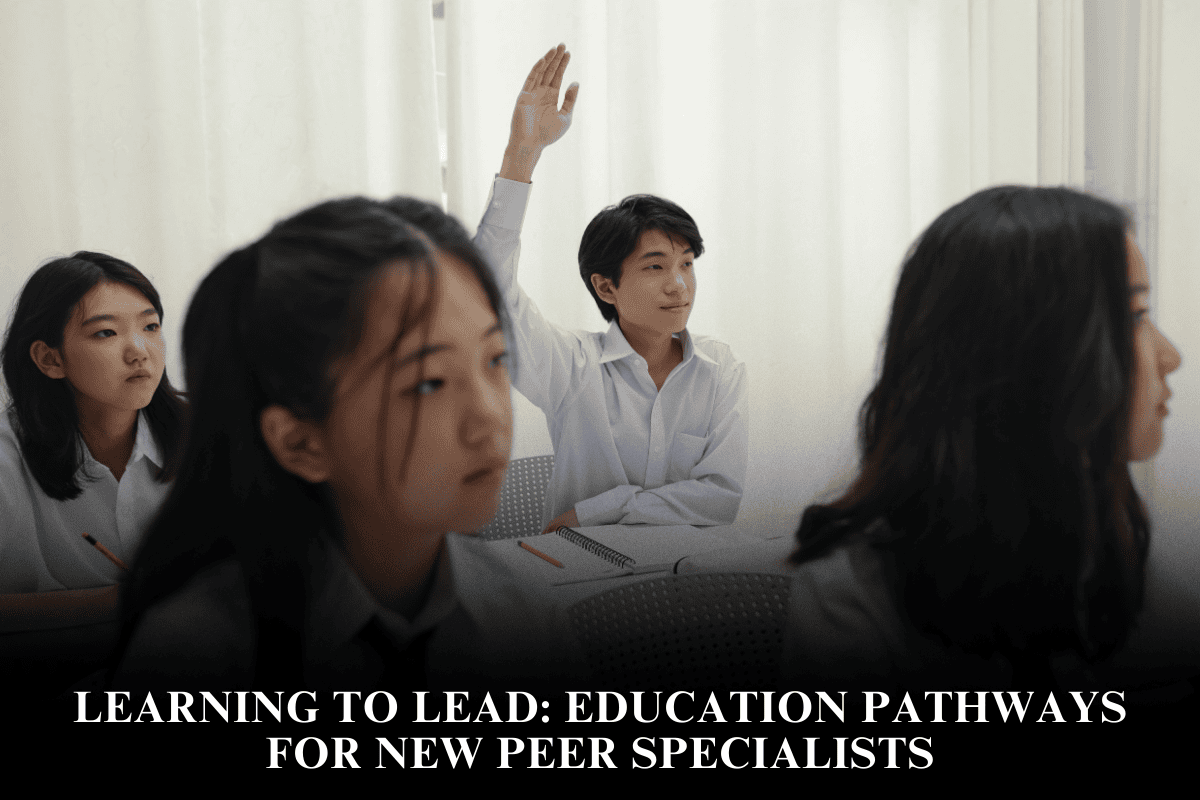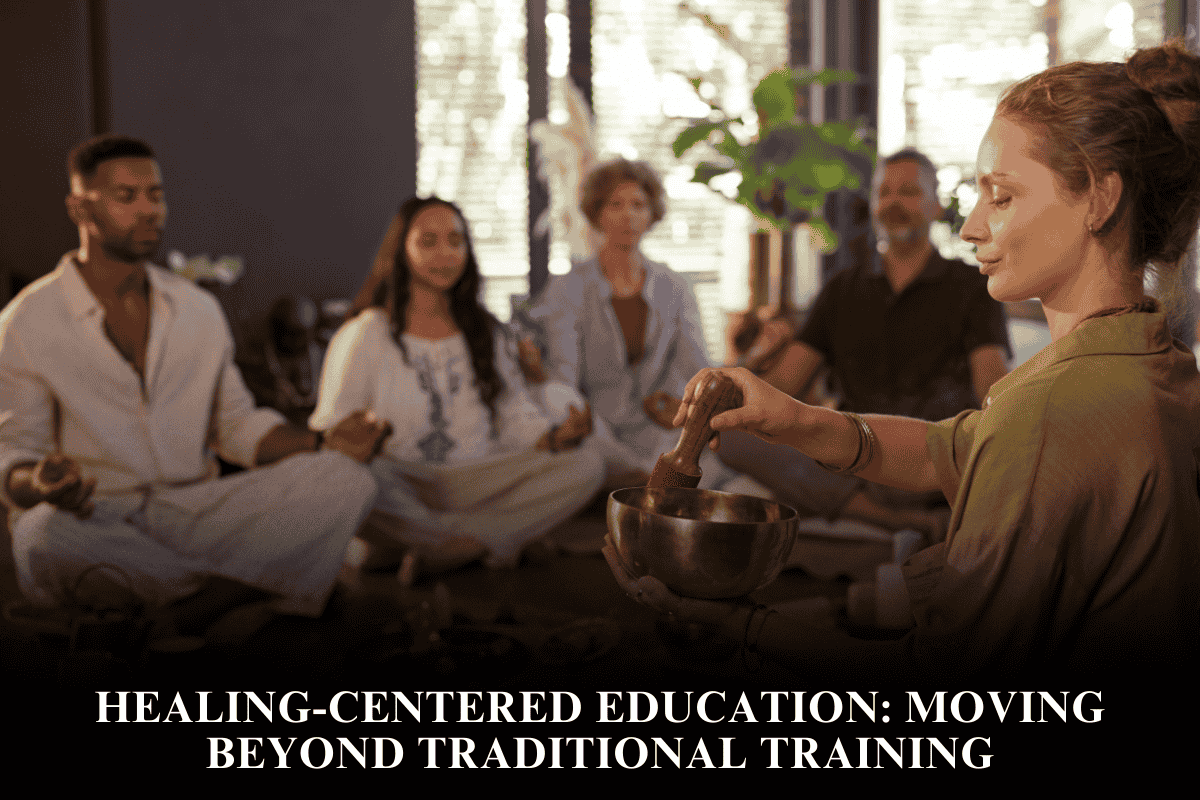
Education thrives when it becomes a shared experience. Across the United States, schools, community programs, and nonprofit organizations are discovering that collaboration between teachers, students, families, and local partners leads to deeper learning and long-term impact.
The idea of “learning together for lasting change” reflects a growing movement that values community-based education and lifelong learning as tools for social transformation.
Rather than isolating learning within the walls of a classroom, this approach brings education into real-world contexts. Students engage with local environmental projects, business internships, and social initiatives that connect academic knowledge with civic responsibility.
Through collaboration, they learn empathy, adaptability, and leadership—skills essential for the modern world.
Building Inclusive Learning Communities
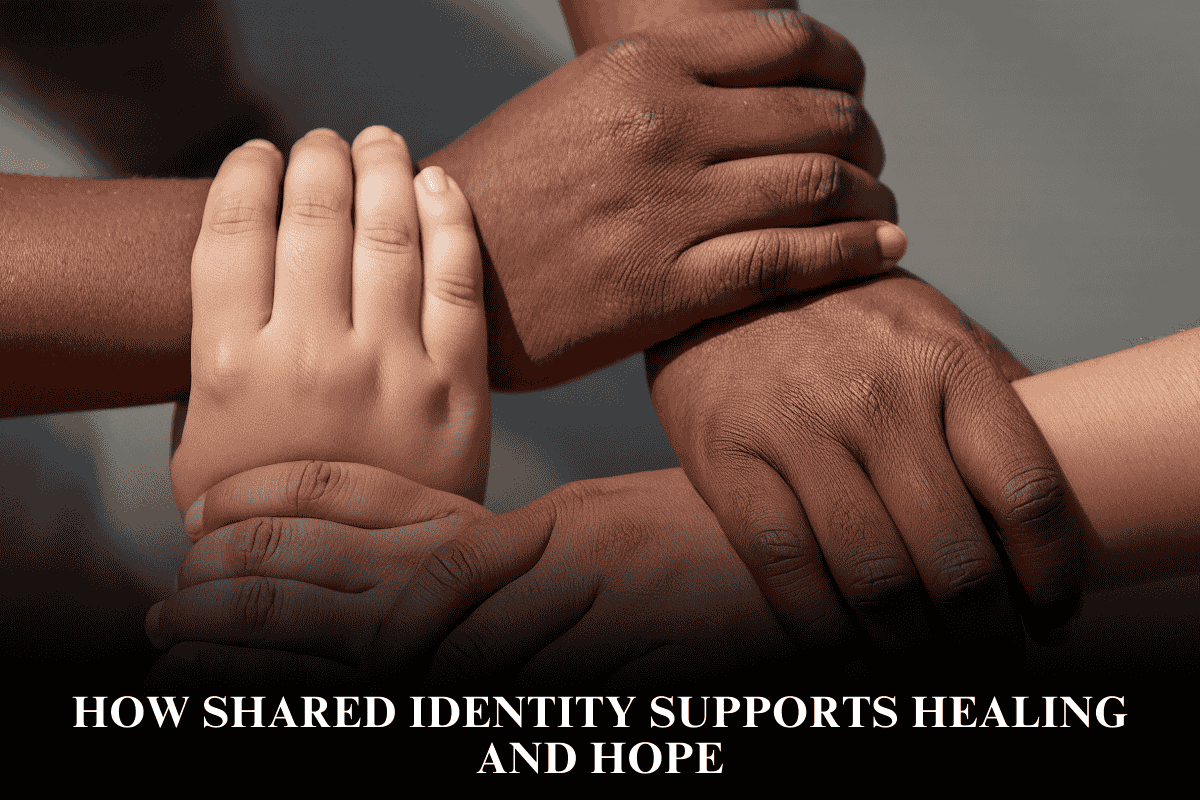
Effective shared learning requires inclusion. Community schools and universities are focusing on equitable access, ensuring all learners—regardless of background—can participate meaningfully in education.
Programs such as after-school tutoring, family literacy nights, and peer mentoring are bridging gaps between students from different socioeconomic and cultural backgrounds.
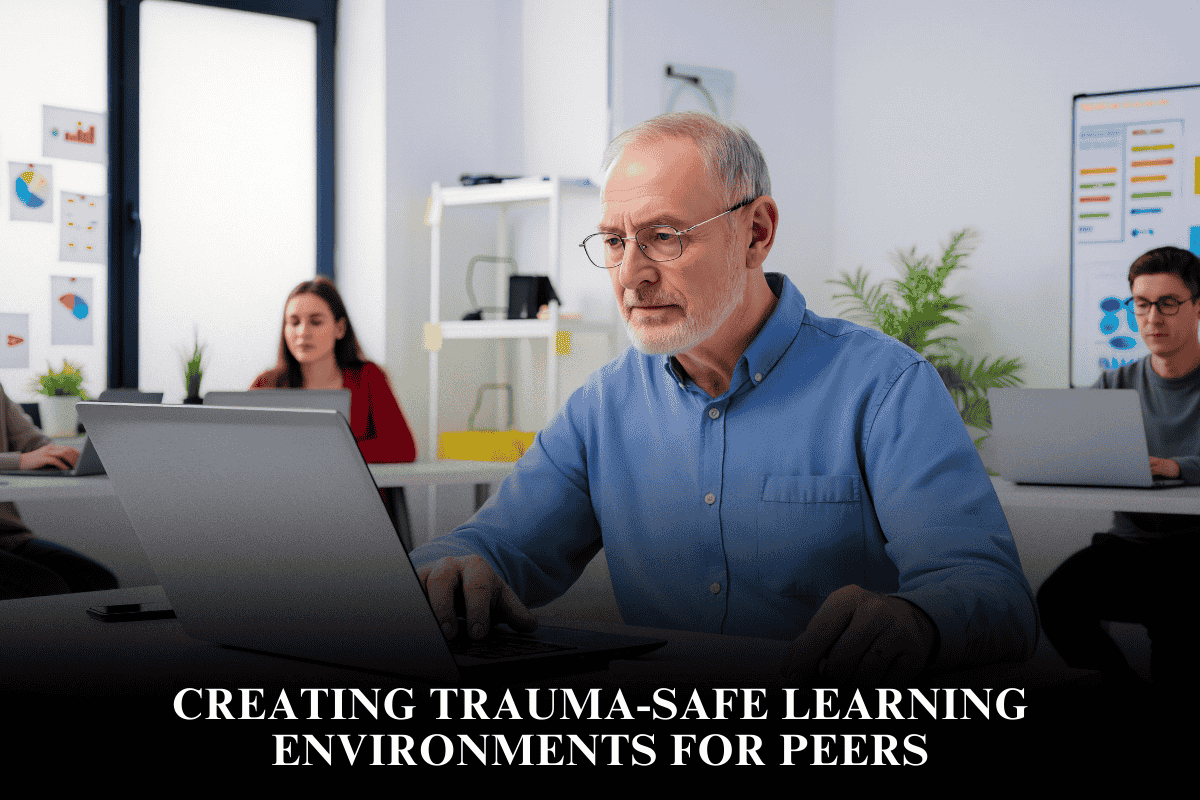
Technology plays a key role here. Virtual classrooms, digital literacy programs, and online partnerships allow rural and underserved communities to share resources and instructors.
By learning together through these platforms, learners across the United States form connections that expand perspectives and strengthen collective understanding.
Educators as Change Catalysts
Teachers are the foundation of this collaborative model. Instead of traditional, one-directional instruction, many educators now act as facilitators—guiding students in project-based learning, dialogues, and critical thinking.
Professional learning communities (PLCs) have emerged, allowing teachers to share strategies, analyze challenges, and co-develop curricula that align with community values.
Universities and training institutions are also reinforcing this mindset. Programs in educational leadership emphasize team learning, reflective practice, and change management. The goal is to prepare future educators to not only teach content but also to build inclusive networks of support that sustain growth beyond school walls.
Creating Sustainable Impact
True educational change lasts when communities continue learning together beyond formal schooling. Adult education centers, libraries, and local organizations offer workshops on skills such as financial literacy, environmental stewardship, and digital communication.
These efforts promote lifelong learning—an essential principle of social resilience.
By embedding education into community life, learning becomes a continuous process that adapts to evolving needs. Each generation benefits from the shared wisdom of the last, creating a cycle of progress that strengthens democracy and innovation across the nation.
FAQs
What does “learning together for lasting change” mean?
It refers to collaborative education models that bring schools, families, and communities together to create meaningful, long-term improvements in learning outcomes and social well-being.
How does collaboration improve education?
Collaboration encourages shared problem-solving, community engagement, and deeper understanding. It allows students to apply what they learn in real-world contexts, building lasting skills.
What role do teachers play in this approach?
Teachers act as facilitators and mentors rather than sole sources of knowledge. They help guide students through discussion, cooperation, and reflective practice.
How can communities support lifelong learning?
Local organizations, libraries, and businesses can host workshops, mentorships, and training programs that keep education accessible and relevant throughout every stage of life.
Why is inclusion important in shared learning?
Inclusion ensures that every learner, regardless of background or circumstance, can benefit from and contribute to the educational process, creating stronger, more equitable communities.