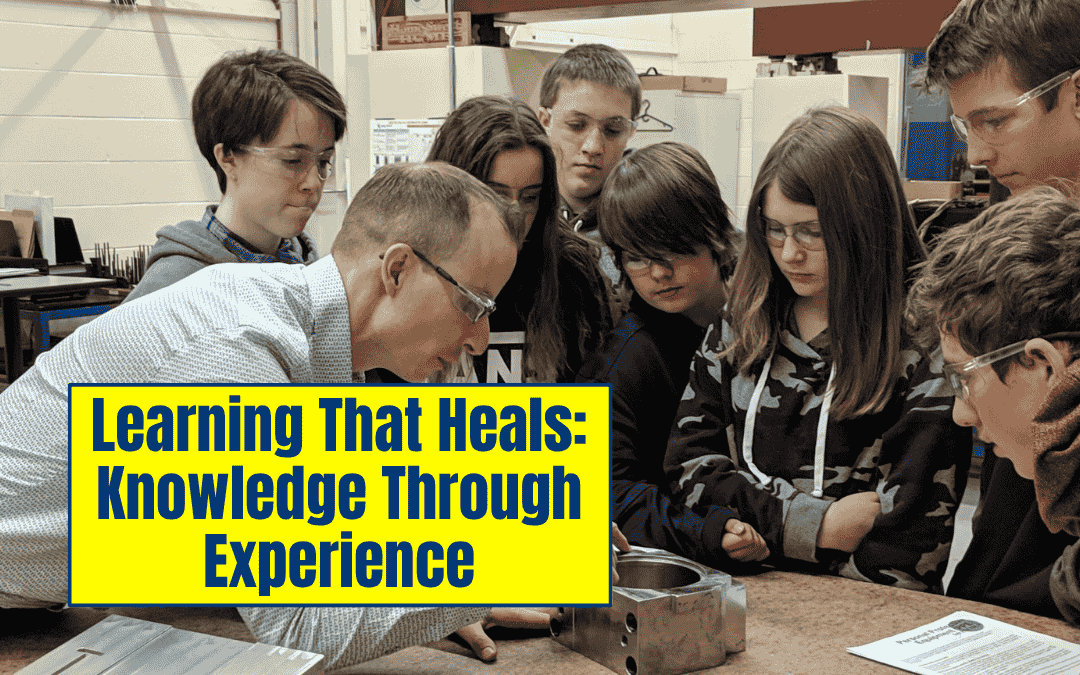
Learning is not confined to textbooks, lectures, or classrooms—it often emerges most powerfully from real-life experiences.
In the field of healthcare and beyond, experiential learning, or learning through experience, nurtures empathy, strengthens understanding, and leads to more meaningful personal and professional growth.
“Learning that heals” refers to the idea that education rooted in experience not only deepens knowledge but also promotes healing—within oneself and in the lives of others.
The Power of Experiential Learning
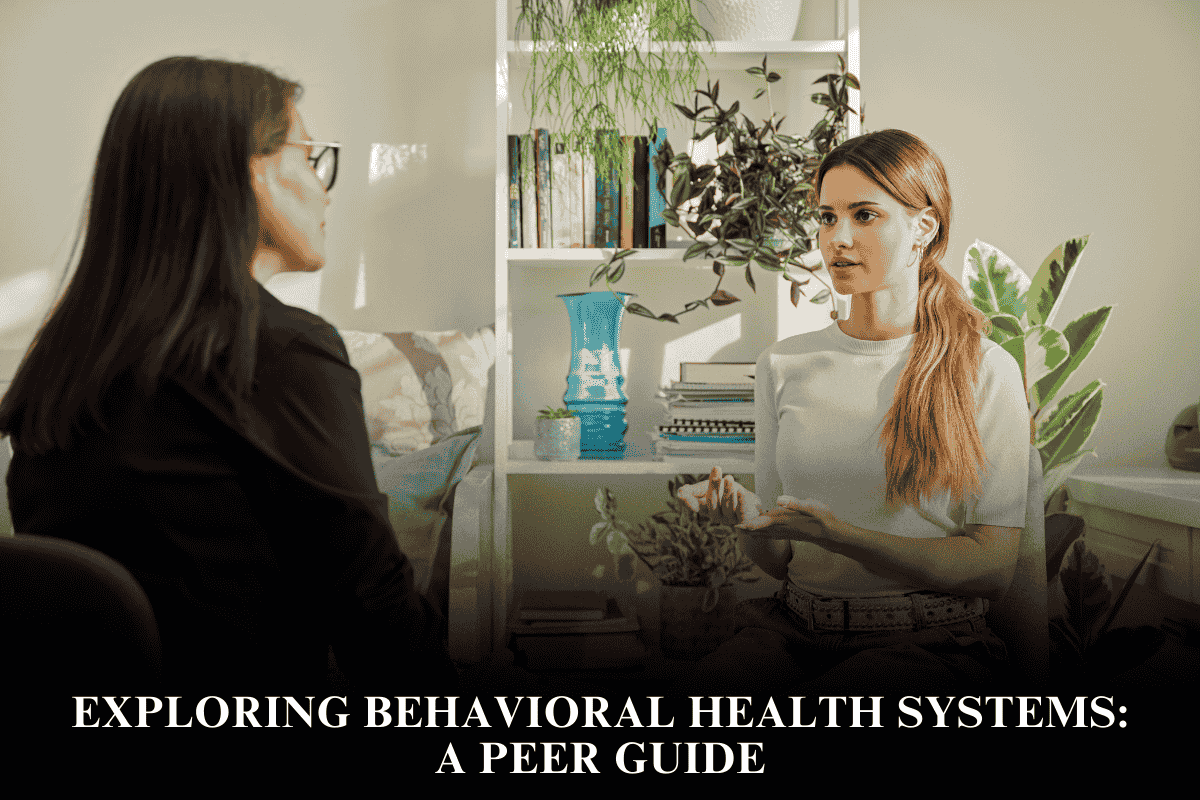
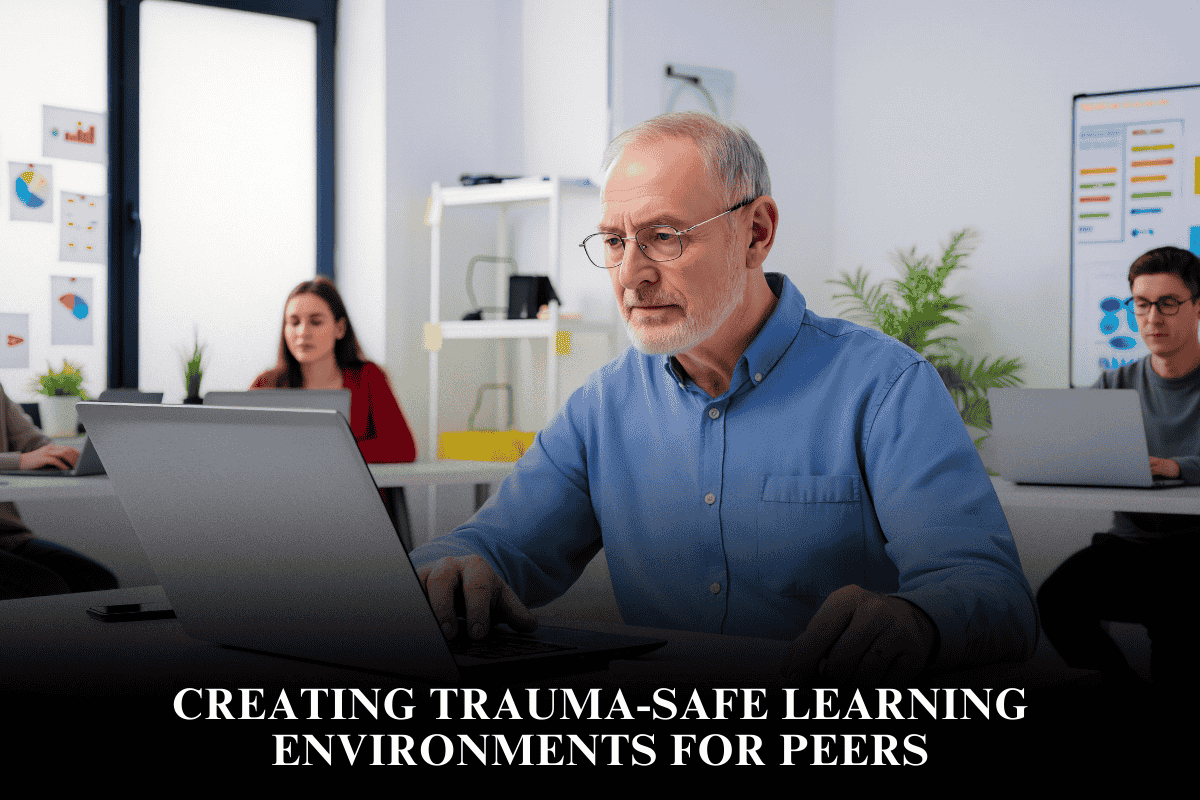
Experiential learning allows individuals to gain wisdom through doing, reflecting, and adapting. In healthcare settings, this means learning from patient interactions, real-world challenges, and emotional experiences.
Such encounters go beyond theoretical concepts, teaching compassion, cultural sensitivity, and emotional resilience. For instance, a nurse who comforts a grieving family learns lessons in empathy that no textbook can fully convey.
This kind of learning touches both the mind and the heart, fostering a deeper understanding of human connection and care.
Healing Through Knowledge
True healing requires more than medical treatment—it involves understanding, patience, and human connection. When healthcare professionals learn from their experiences, they gain insight into the emotional and psychological needs of patients.
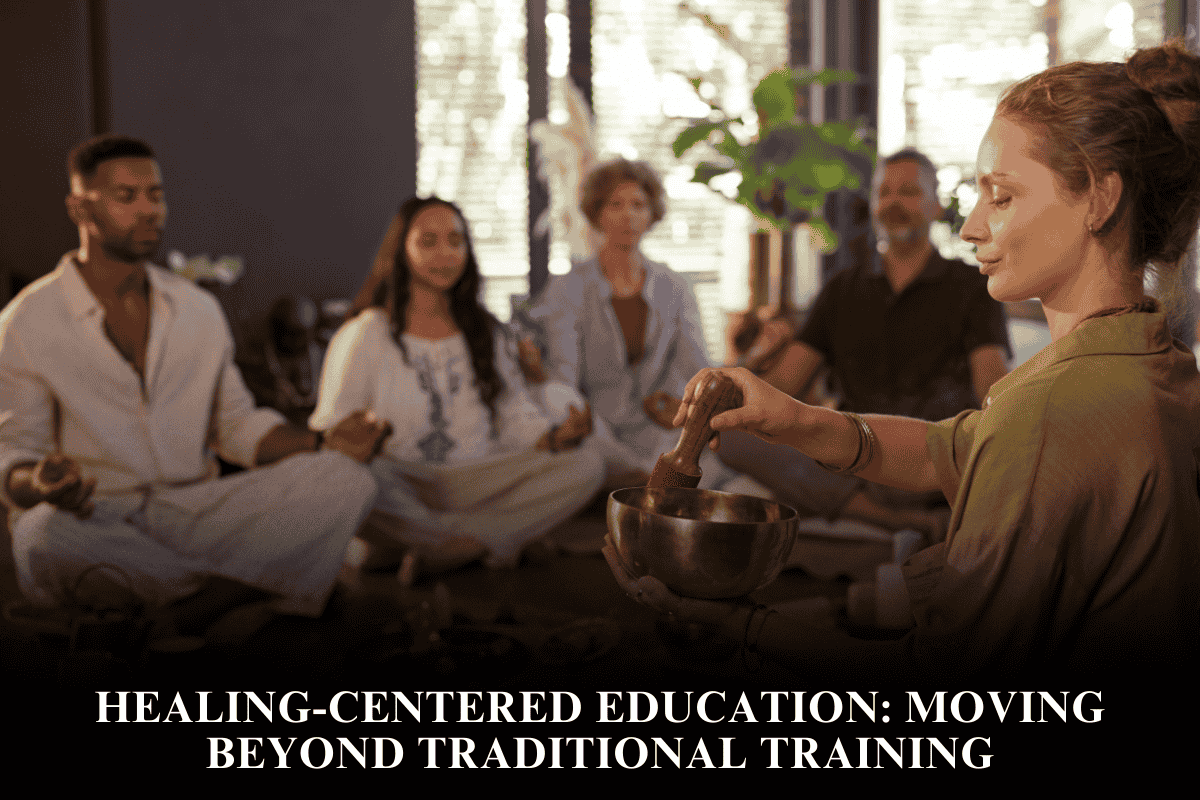
Similarly, patients who reflect on their own healing journeys often find strength and wisdom that help them recover more fully. Knowledge gained through experience becomes a healing force, empowering individuals to respond with kindness, humility, and confidence in future situations.
The Role of Reflection in Growth
Reflection is the bridge between experience and wisdom. By taking time to analyze what went well, what was challenging, and what could be improved, individuals transform their experiences into valuable learning opportunities.
In medicine, this may involve reviewing patient cases, discussing outcomes with colleagues, or journaling personal insights. Reflection helps convert mistakes into lessons and successes into models for future practice.
It also fosters emotional healing by allowing individuals to process complex feelings and find meaning in their experiences.
Beyond Healthcare: Universal Lessons
While “learning that heals” is essential in healthcare, the concept applies to all walks of life. Teachers learn empathy from their students, leaders grow through challenges, and families find strength through shared struggles.
Every experience—whether joyful or painful—offers the potential for healing if we approach it with openness and reflection. Experience, when combined with awareness, becomes a powerful teacher that shapes character, resilience, and compassion.
Frequently Asked Questions (FAQ)
1. What does “learning that heals” mean?
It refers to gaining knowledge and wisdom through real-life experiences that promote both intellectual growth and emotional healing.
2. Why is experiential learning important in healthcare?
It helps healthcare professionals develop empathy, communication skills, and emotional resilience—qualities essential for patient-centered care.
3. How does reflection support healing and learning?
Reflection allows individuals to process experiences, understand their emotions, and turn challenges into meaningful lessons.
4. Can learning through experience apply outside of healthcare?
Absolutely. Experiential learning benefits everyone, from teachers and parents to business leaders, as it deepens understanding and strengthens relationships.
5. How can individuals practice “learning that heals”?
By being open to feedback, reflecting on their actions, learning from mistakes, and embracing every experience as an opportunity for growth and compassion.