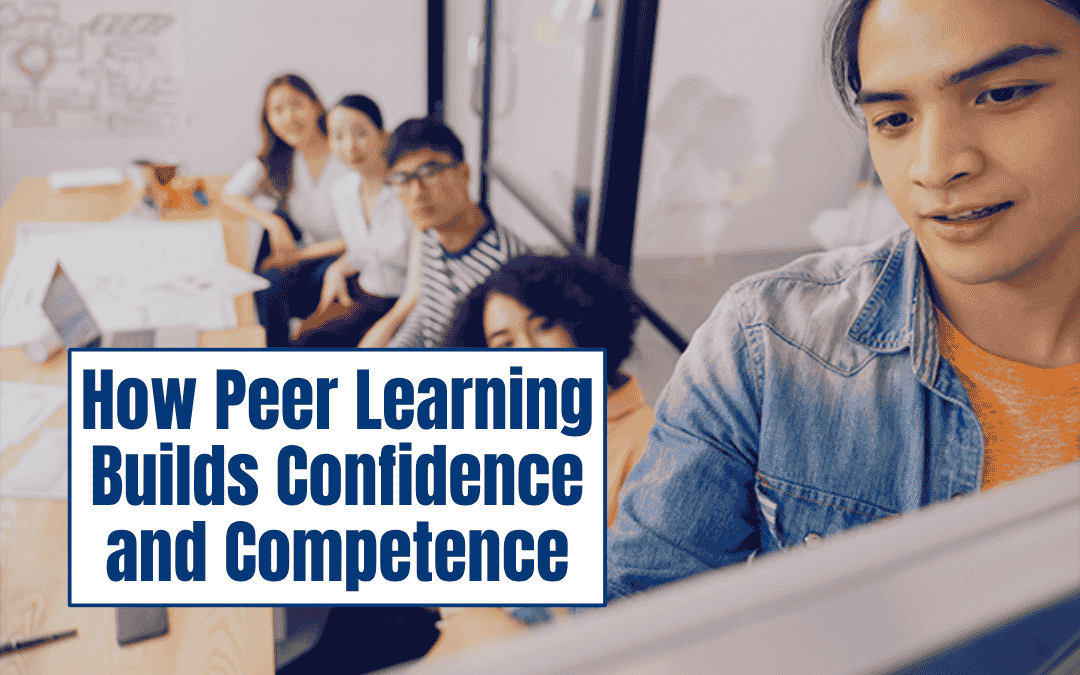
In bustling cities like New York, Chicago, and San Francisco, learning is breaking free from traditional classrooms. Increasingly, learners are turning to peer-based environments—study circles, coworking cohorts, and online learning communities—to harness the power of collective intelligence.
This shift is not just about accessibility or flexibility; it’s reshaping how people build confidence and competence in both personal and professional spheres.
The Rise of Peer Learning in the U.S.
Step into a startup incubator in Austin, Texas, or join a weekend coding collective in Seattle, and you’ll witness learning in motion—people teaching, mentoring, and motivating one another. Recent surveys reveal that over 70% of American learners believe they gain skills more effectively when learning alongside peers.
This surge in peer learning is fueled by two core needs: support and self-efficacy. In an era dominated by remote work and self-directed careers, traditional education models can feel isolating. Peer learning restores the missing human element.
It transforms learners from passive recipients into active participants, building communities where dialogue replaces monologue and collaboration replaces competition.
How Peer Learning Cultivates Confidence
One of the most transformative aspects of peer learning is its ability to build confidence. Imagine a design circle in Los Angeles where participants critique one another’s UX prototypes.
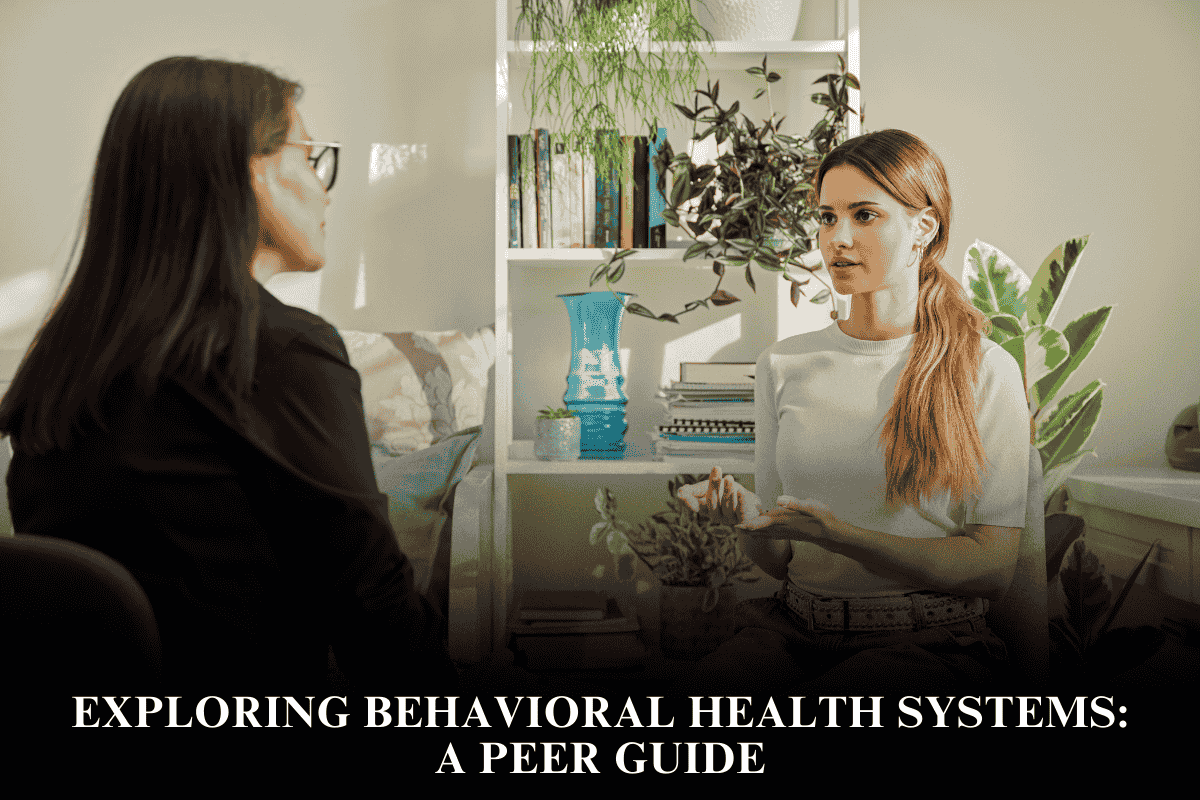
Constructive feedback, given by peers rather than professors, creates validation and mutual respect. Learners feel seen and valued for their progress—not just their performance.
In Boston, writing circles function much the same way. Writers share drafts, discuss rejections, and celebrate revisions. Vulnerability becomes a shared experience, turning self-doubt into solidarity. A participant’s story about rewriting an entire chapter overnight inspires others to persevere, reinforcing a growth mindset.
Confidence also deepens when learners give feedback. In Denver, co-learning pods rotate facilitation roles: one week you lead, the next you learn. Teaching peers boosts self-assurance and solidifies understanding.
The dynamic reciprocity—the chance to both mentor and be mentored—creates a reinforcing loop of empowerment.
Peer Learning and Building Competence
Confidence is essential, but competence is the foundation that sustains growth. Peer learning accelerates competence by emphasizing practice, accountability, and applied problem-solving.
In Miami, peer coding communities challenge members to build apps collaboratively. They learn by doing—debugging, iterating, and reflecting together. In Houston, marketing professionals dissect regional campaigns to identify strategies that succeed locally but fail elsewhere, gaining context-rich insights no textbook could offer.
Peer groups also embed accountability. A Philadelphia learning cluster might set weekly goals, check progress, and celebrate milestones. The consistency builds discipline, while the collective motivation ensures steady improvement.
Diversity further amplifies competence. A mixed peer group in Minneapolis—spanning educators, healthcare workers, and tech specialists—brings together different frameworks and mindsets.
Each member contributes unique tools and problem-solving methods, broadening the group’s collective expertise and adaptability.
Transitioning From Learner to Practitioner
As confidence and competence grow, learners naturally evolve into practitioners. In San Diego, for instance, participants from peer-led design cohorts often launch freelance projects or startups together. These initiatives blur the line between learning and working, allowing members to apply lessons immediately in real-world settings.
Peer networks also serve as bridges to opportunity. When one participant lands a new job in Washington, D.C., others in the network celebrate, learn from their journey, and often connect through shared opportunities. The strength of the community sustains both personal achievement and professional momentum.
The Power of Together
Across the United States, from New York to San Francisco, peer learning is redefining education and professional development. It transforms isolated learning into shared discovery, helping individuals gain not just skills—but self-belief.
By learning with others, participants grow faster, think more creatively, and build resilience. Confidence arises from connection; competence from collaboration. In a world that often rewards individual achievement, peer learning reminds us that growth is a collective act.
If you’re looking to level up your career or skill set, find a peer learning group—or start one. Because when people learn together, they don’t just gain knowledge. They gain the courage and capability to use it.
FAQs
1. What is peer learning?
Peer learning is an approach where individuals learn collaboratively through shared experiences, discussions, and feedback, rather than relying solely on formal instruction.
2. How does peer learning build confidence?
It normalizes mistakes, encourages participation, and fosters mutual support—creating a sense of belonging that empowers learners to take risks and grow.
3. Can peer learning improve real-world competence?
Yes. Through hands-on collaboration, goal setting, and feedback, learners practice applying their knowledge in realistic settings, which strengthens practical skills.
4. Is peer learning effective in professional environments?
Absolutely. Many industries—from tech and healthcare to design and education—use peer learning for professional development and continuous skill growth.
5. How can I start or join a peer learning group?
Start by connecting with like-minded individuals through coworking spaces, professional networks, or online platforms such as LinkedIn or Meetup. Define shared goals, set regular sessions, and commit to mutual accountability.